Category: Staff Picks

  • Simplified Staffing: 7 Strategies for Efficient Hiring

    Simplified Staffing: 7 Strategies for Efficient Hiring

    Efficient Hiring in a Competitive Market

    Efficient hiring

    In today’s fast-paced business landscape, efficient hiring is crucial for organizations to thrive. Simplified staffing plays a significant role in reducing time-to-hire and improving the quality of hires, ensuring that companies secure top talent to drive their success. This article explores seven strategies for efficient hiring, including leveraging technology, defining clear job descriptions, and prioritizing cultural fit.

    Leverage Technology

    In the modern hiring landscape, integrating AI-powered tools and software into your staffing process can yield significant benefits. These cutting-edge technologies can streamline candidate sourcing, screening, and assessment, making it easier for employers to find the right fit for their organizations.One of the most notable advantages of using AI-powered tools is their ability to reduce the time spent on manual tasks, such as sifting through large volumes of resumes or conducting repetitive phone interviews. By automating these processes, recruiters can focus on more strategic aspects of hiring, such as building relationships with candidates and promoting the company’s brand.Additionally, AI-based solutions can help improve the accuracy and efficiency of candidate assessments. For example, machine learning algorithms can analyze various data points from resumes and other sources to predict a candidate’s potential fit for a role. This not only saves time but also helps reduce human biases in the selection process.There are several examples of AI-powered staffing solutions on the market today. Some of these tools specialize in specific aspects of the hiring process, such as resume parsing or interview scheduling, while others offer comprehensive end-to-end recruitment platforms. By integrating these innovative technologies into your hiring strategy, you can simplify staffing and make the entire process more efficient.

    Define Clear Job Descriptions

    Creating clear and concise job descriptions is vital for attracting the right candidates to your job postings. By providing all the necessary information in a straightforward manner, potential applicants can easily understand the requirements and expectations of the role. In this section, we’ll discuss the importance of clarity and conciseness in job postings, how to craft an effective job description, and the impact of well-defined job descriptions on attracting suitable candidates.

    Clarity and conciseness in job postings help to ensure that candidates have a comprehensive understanding of the role. This allows them to assess whether their skills and experience align with the position, increasing the likelihood of attracting qualified and interested applicants. A clear job description also aids in reducing the time spent on screening and interviewing unsuitable candidates, as they will have a better understanding of the role from the outset.

    When crafting an effective job description, consider including the following elements:

    • Title: Use a descriptive and industry-standard title that accurately reflects the role.
    • Summary: Provide a brief overview of the position, including its purpose and key responsibilities.
    • Responsibilities: List the primary duties and tasks the candidate will be expected to perform.
    • Requirements: Outline the specific skills, experience, and qualifications necessary for the role.
    • Location: Specify the job location, including any flexibility with remote work or travel requirements.
    • Salary and benefits: Clearly state the compensation range and any additional benefits offered.

    By crafting a well-defined job description, you can effectively attract suitable candidates who are more likely to succeed in the role and contribute positively to your organization. This, in turn, can lead to a more efficient hiring process and better overall talent acquisition results.

    Implement Structured Interviews

    One of the key strategies for efficient hiring is implementing structured interviews. These interviews involve using a consistent set of questions for all candidates, which offers multiple benefits. In this section, we will discuss the advantages of structured interviews, their role in reducing bias and improving fairness, and some tips for creating a structured interview process.

    The Benefits of Consistency

    When you use a consistent set of questions for all candidates, it allows you to compare their responses more easily. This can help you identify the best candidate for the position more quickly and accurately, saving time and resources. Structured interviews also help ensure that each candidate is evaluated on the same criteria, which can lead to more objective and fair hiring decisions.

    Reducing Bias and Improving Fairness

    Structured interviews can help reduce bias and improve the fairness of evaluations by keeping the focus on the candidate’s skills and experience. By asking the same questions to each candidate, you can limit the influence of personal biases and ensure that all applicants are given an equal opportunity to showcase their abilities. This can lead to a more diverse and talented workforce, as you are more likely to select the best candidate based on their qualifications rather than subjective factors.

    Tips for Creating a Structured Interview Process

    Here are some tips to help you create a structured interview process:

    • Develop a list of job-specific questions that focus on the key skills, experiences, and attributes required for the position.
    • Include a mix of behavioral and situational questions that ask candidates to provide examples of how they have demonstrated relevant skills in the past or how they would handle specific scenarios in the role.
    • Train interviewers on the importance of consistency and provide them with guidelines for conducting structured interviews. This may include guidance on how to ask questions, how to take notes, and how to score candidates’ responses.
    • Establish a clear system for evaluating and comparing candidates’ answers to ensure that the hiring decision is based on a consistent and objective set of criteria.

    By implementing structured interviews as part of your hiring process, you can streamline your staffing efforts and improve the efficiency and fairness of your hiring decisions.

    Focus on Candidate Experience

    When it comes to efficient hiring, it’s crucial to prioritize the candidate experience. This entails creating user-friendly application processes, ensuring timely communication, and making a positive impression of your company throughout the hiring journey.

    A user-friendly application process is essential for attracting top talent. Lengthy, cumbersome application procedures can deter potential candidates from applying. To create a more accessible process, consider simplifying your online forms and making them mobile-friendly. Additionally, make sure to provide clear instructions and expectations regarding the application process, so candidates feel well-informed and at ease.

    Timely communication plays a vital role in the candidate experience. By promptly responding to inquiries, providing updates on the hiring process, and giving feedback after interviews, you demonstrate that your company values candidates’ time and efforts. This responsiveness can enhance your company’s reputation and encourage highly skilled professionals to seek opportunities with your organization.

    Creating a positive impression throughout the hiring process not only helps attract top talent but also contributes to long-term employee satisfaction and retention. Some ways to achieve this include offering a transparent view of the company culture, showcasing growth and development opportunities, and treating candidates with respect and professionalism. By focusing on the candidate experience, you can not only simplify staffing but also foster a more engaged and dedicated workforce.

    Utilize Employee Referrals

    Employee referrals are a valuable resource in the hiring process, as they can contribute to the quality of candidates and overall success of a company. Encouraging current employees to refer qualified candidates not only helps streamline the recruitment process but also boosts employee morale by involving them in the growth of the organization.

    There are several benefits to implementing an employee referral program. First, referred candidates often have a better understanding of the company culture and expectations, leading to a higher retention rate. Additionally, these candidates are usually pre-screened by the employees who refer them, ensuring a higher likelihood of a good cultural fit and job performance. Furthermore, referral programs can save time and money by reducing the need for extensive external recruiting efforts.

    To successfully implement an employee referral program, consider the following tips:

    • Communicate the program’s objectives and guidelines clearly to all employees, ensuring that they understand the benefits and their role in the process.
    • Offer incentives, such as bonuses or rewards, to encourage employees to participate actively in the referral program.
    • Provide timely feedback and recognition to employees who make successful referrals, fostering a sense of accomplishment and ownership.
    • Track the performance of referred candidates over time to assess the overall impact of the referral program on the quality of hires.

    By utilizing employee referrals, companies can tap into the valuable insights and connections of their existing workforce, leading to more successful and efficient hiring processes.

    Prioritize Cultural Fit

    One of the critical factors in hiring the right candidate is finding someone who aligns with the company’s values and culture. This goes beyond merely having the necessary skills and experience for the position. A strong cultural fit ensures that the new hire can work seamlessly with the team, adapt to the company’s way of working, and contribute positively to the overall work environment.

    To assess cultural fit during the hiring process, recruiters should start by having a clear understanding of the company’s culture and values. This can be achieved through discussions with the company’s leadership and by observing the interactions among current employees. Once the company’s culture is well-defined, recruiters can incorporate questions related to values and workplace preferences during interviews. For example, asking candidates about their preferred work style, management approach, or how they handle conflict can offer insights into their compatibility with the company’s culture.

    Hiring for cultural fit has long-term benefits for the organization. Employees who feel connected to the company’s values and culture are more likely to be engaged, motivated, and committed to their work. This can lead to higher job satisfaction, better performance, and increased retention rates. Additionally, a workforce that shares the same values and beliefs can foster a stronger sense of unity and collaboration, ultimately contributing to the company’s overall success.

    Speed Up the Decision-Making

    In the competitive world of hiring, it is essential to make quick and informed decisions to secure the best talent. A lengthy hiring process can lead to several risks, including the loss of top candidates to competitors and a negative impact on the company’s reputation. In this section, we will discuss the risks of a slow hiring process, strategies for making quick and informed decisions, and the benefits of reducing time-to-hire.

    The risks of a lengthy hiring process

    When the hiring process drags on, top candidates might accept offers from other companies, leaving you with a less desirable talent pool. Additionally, potential candidates may perceive your company as indecisive or disorganized, potentially discouraging them from applying for future positions.

    Strategies for making quick, informed decisions

    To speed up the decision-making process while maintaining the quality of hires, consider the following strategies:1. Establish clear criteria for evaluating candidates and stick to them throughout the process.2. Leverage technology, such as AI-powered staffing solutions, to streamline candidate screening and assessment.3. Conduct panel interviews, which can save time by allowing multiple decision-makers to interview candidates simultaneously.4. Set deadlines for each stage of the hiring process and hold everyone involved accountable for meeting them.5. Maintain open communication among hiring managers, human resources, and other stakeholders to ensure everyone is on the same page.

    The benefits of reducing time-to-hire

    By speeding up the decision-making process, you can enjoy several benefits, including:1. Increased chances of securing top talent before they accept offers elsewhere.2. Improved candidate experience, as applicants appreciate a swift and efficient hiring process.3. Enhanced company reputation, as a streamlined hiring process can reflect positively on your organization.4. Cost savings, as a shorter time-to-hire can reduce the resources and expenses associated with recruiting.In conclusion, a swift and efficient hiring process is crucial for attracting and securing the best talent. By implementing these strategies and considering AI-powered staffing solutions, companies can optimize their hiring processes and make quick, informed decisions.

    Embrace Efficient Hiring

    In this article, we discussed seven strategies for efficient hiring, including leveraging technology, defining clear job descriptions, implementing structured interviews, focusing on candidate experience, utilizing employee referrals, prioritizing cultural fit, and speeding up decision-making. Simplified staffing plays a crucial role in optimizing the hiring process and improving the quality of hires. We encourage you to implement these strategies and consider AI-powered Staffing for your hiring needs.


  • 5 Ways Data-Driven Recruitment Enhances Staffing Results

    5 Ways Data-Driven Recruitment Enhances Staffing Results

    Introduction

    Data-Driven Recruitment

    Data-driven recruitment harnesses the power of data analysis to streamline the hiring process, making it more efficient and effective. This approach enables businesses to make informed decisions by leveraging data insights, ultimately leading to better hires. AI-Powered Staffing is an innovative solution that incorporates data-driven recruitment strategies to revolutionize the way companies hire and manage talent.

    Improved Quality of Hire

    Data-driven recruitment plays a crucial role in enhancing the quality of hires for an organization. By leveraging data, recruiters can make more informed decisions and effectively identify candidates with the right skills and cultural fit for the company. This improved assessment of potential employees helps organizations to build a strong workforce that aligns with their overall goals and values.

    One key aspect of data-driven recruitment is the ability to identify the specific skills and experiences that are most relevant to the role. This helps recruiters to narrow down their search and focus on candidates who possess the right qualifications, making the hiring process more efficient and targeted. Additionally, data can be used to evaluate a candidate’s cultural fit within the organization. By analyzing various factors such as communication style, work ethic, and values, recruiters can determine if a candidate is likely to thrive in the company’s culture and contribute positively to the team.

    Another significant advantage of data-driven recruitment is the potential impact on employee retention. By using data to make more accurate hiring decisions, organizations can reduce the risk of hiring employees who are not a good fit for the role or the company. This, in turn, can lead to improved employee satisfaction and engagement, ultimately resulting in higher retention rates and a more stable workforce. In summary, data-driven recruitment not only helps companies hire the right talent but also contributes to long-term employee success and satisfaction.

    III. Efficient Screening Processes

    One of the key advantages of data-driven recruitment is the enhancement of screening processes. By leveraging data and AI-powered technology, companies can significantly improve their candidate selection methods in various ways.

    Automation of the Screening Process

    Automating the screening process is a major benefit of data-driven recruitment. Through the use of advanced algorithms and machine learning, AI-Powered Staffing solutions can efficiently parse through large volumes of candidate data, quickly identifying those with the most relevant qualifications and experience. This not only saves time but also allows recruiters to focus on more strategic aspects of their role.

    Reduction of Human Bias

    Data-driven recruitment also helps in mitigating human bias, which can often influence hiring decisions. By relying on objective data and unbiased algorithms, the hiring process becomes more equitable and fair. This results in a diverse workforce that better represents the talent pool and contributes to the company’s success.

    Increased Accuracy in Candidate Selection

    Finally, data-driven recruitment enables increased accuracy in candidate selection. With the help of AI-Powered Staffing solutions, companies can analyze vast amounts of data to find patterns, trends, and correlations that may not be apparent to human recruiters. This allows for better prediction of candidate success and a more targeted approach to hiring, ultimately leading to better staffing results.

    Enhanced Candidate Experience

    Data-driven recruitment not only benefits the hiring organization but also creates a positive experience for job candidates. By incorporating data into the hiring process, companies can provide personalized communication, streamline application processes, and positively impact employer branding.

    Personalized Communication

    Utilizing data to tailor communication with applicants can leave a lasting impression. Candidates appreciate being addressed by their names and receiving personalized feedback about their applications. Data-driven recruitment enables companies to better understand a candidate’s background and preferences, allowing for more tailored interactions throughout the hiring process.

    Streamlined Application Processes

    Data-driven recruitment can also help streamline application processes by identifying areas of inefficiency and automating repetitive tasks. By leveraging data, companies can optimize their application forms, ensuring only the most relevant information is requested from candidates. This results in a faster and more user-friendly experience for applicants, increasing the likelihood of attracting top talent.

    Positive Impact on Employer Branding

    When companies use data to improve their recruitment process, they are also enhancing their employer brand. A smooth and enjoyable candidate experience reflects well on the organization, showcasing its commitment to using data and technology for better results. In turn, this can make the company more attractive to potential employees, increasing the chances of securing high-quality hires.

    Strategic Decision Making

    One of the key benefits of data-driven recruitment is its ability to facilitate strategic decision making in the hiring process. By analyzing data and trends, organizations can make informed decisions about their workforce planning and recruitment strategies.

    Insights into Hiring Trends

    Data-driven recruitment provides valuable insights into hiring trends, such as which roles are in high demand, the most effective channels for sourcing candidates, and the best methods for attracting top talent. These insights can help companies stay ahead of their competitors by making data-backed decisions that align with current industry trends.

    Informed Workforce Planning

    By leveraging data, organizations can develop a deeper understanding of their current workforce and identify potential skills gaps. This enables them to make informed decisions about their recruitment and talent development strategies, ensuring they have the right people in the right roles to drive business success.

    Data-Driven Adjustments to Recruitment Strategies

    Using data-driven insights, companies can continually refine and adjust their recruitment strategies to optimize results. By identifying what is working well and what needs improvement, organizations can make data-driven decisions that lead to more efficient and effective hiring processes.

    In conclusion, data-driven recruitment plays a crucial role in enhancing staffing results by providing insights into hiring trends, informing workforce planning, and enabling organizations to make strategic adjustments to their recruitment strategies. By leveraging the power of data, organizations can make informed decisions that lead to higher-quality hires, more efficient recruitment processes, and ultimately, business success.

    Reduced Time-to-Hire

    One of the key advantages of data-driven recruitment is the significant reduction in the time it takes to hire the right candidate. This is achieved through a combination of optimized recruitment processes, faster identification of suitable candidates, and the various benefits that come from shortening the time-to-hire. Let’s delve into each of these aspects and understand their impact on staffing results.

    Optimized Recruitment Processes

    Data-driven recruitment enables businesses to streamline and optimize their hiring processes. By leveraging data, companies can identify bottlenecks, eliminate inefficiencies, and ensure a smooth and effective workflow. This optimization not only saves time but also reduces the overall cost of hiring, leading to better staffing outcomes.

    Faster Identification of Suitable Candidates

    With the power of data, recruiters can quickly and accurately identify candidates who are most suitable for a given role. Data-driven techniques, such as predictive analytics and AI-powered tools, can help sift through large volumes of applications to find the best-fit candidates. This not only saves time but also increases the likelihood of hiring top talent that is well-suited for the company’s needs.

    Benefits of Reduced Time-to-Hire for Businesses

    Reducing time-to-hire brings numerous benefits for businesses. First and foremost, it helps in filling open positions faster, ensuring that critical roles are not left vacant for extended periods. This, in turn, leads to increased productivity and uninterrupted business operations. Furthermore, a shorter hiring process can improve the candidate experience, as applicants appreciate a swift and efficient recruitment process. This positive experience can enhance the company’s reputation and help attract more high-quality candidates in the future.

    In conclusion, data-driven recruitment is a powerful approach to enhance staffing results. By adopting data-driven strategies, businesses can improve the quality of their hires, streamline the recruitment process, enhance the candidate experience, make strategic decisions, and reduce time-to-hire. Embracing this approach can lead to more successful staffing outcomes and contribute to the overall success of the organization.

    AI-Powered Staffing and Data-Driven Recruitment

    AI-Powered Staffing is revolutionizing the recruitment industry by incorporating data-driven strategies in its approach. By leveraging advanced algorithms, machine learning, and artificial intelligence, it provides an efficient and effective recruitment process. In this section, we will explore how AI-Powered Staffing incorporates data-driven recruitment, the benefits of using this cutting-edge technology for your hiring process, and real-world examples of its impact on recruitment outcomes.

    How AI-Powered Staffing Incorporates Data-Driven Recruitment

    AI-Powered Staffing harnesses the power of data-driven recruitment by analyzing vast amounts of information from various sources, such as resumes, job descriptions, and online profiles. This data is then processed and used to create highly accurate candidate profiles, matching them to suitable job openings. The system continuously learns and refines its algorithms, ensuring that it stays up-to-date with changing industry trends and maintains its effectiveness in identifying the best candidates for each position.

    Benefits of Using AI-Powered Staffing for Your Hiring Process

    Utilizing AI-Powered Staffing for your recruitment process offers numerous benefits. First and foremost, it improves the overall efficiency of your hiring process by automating time-consuming tasks and enabling recruiters to focus on more strategic aspects. Additionally, it helps reduce human bias in the selection process, ensuring a more diverse and inclusive workforce. Furthermore, by analyzing data and providing insights into your hiring process, it enables you to make better-informed decisions, ultimately leading to a higher quality of hire and improved retention rates.

    Unlock Recruitment Potential

    Throughout this article, we’ve explored the ways data-driven recruitment can significantly enhance staffing results. By improving the quality of hire, streamlining screening processes, enhancing the candidate experience, driving strategic decision-making, and reducing time-to-hire, companies can reap substantial benefits. Embracing data-driven recruitment strategies is crucial for staying ahead in today’s competitive hiring landscape.

  • Overcoming Top 3 Challenges in the Staffing Industry with AI

    Overcoming Top 3 Challenges in the Staffing Industry with AI

    artificial intelligence

    Introduction: The Growing Role of AI in the Staffing Industry

    A. Overview of the staffing industry challenges

    Staffing agencies face considerable challenges, such as finding quality candidates in a competitive market, ensuring a seamless candidate experience, and making data-driven decisions. These hurdles often lead to longer hiring cycles and reduced efficiency.

    B. The potential of AI to address these challenges

    AI holds immense potential to revolutionize the staffing industry by automating repetitive tasks, optimizing the talent acquisition process, and providing insights to drive strategic decision-making. By embracing AI, staffing agencies can overcome their challenges and stay ahead in the competitive landscape.

    Challenge 1: Finding Qualified Candidates

    In today’s competitive job market, identifying the right candidates for open positions can be a daunting task. Organizations often encounter difficulties in reaching out to top talent and ensuring they meet the job requirements. This is where artificial intelligence (AI) can make a significant difference in the staffing industry.

    How AI Improves Candidate Identification

    AI technology brings a new level of efficiency and effectiveness to candidate identification. By automating job posting and distribution, organizations can reach a wider audience and target qualified candidates more accurately. This ensures a streamlined recruitment process and engagement with the right talent from the beginning.

    Moreover, AI-powered candidate screening and matching save recruiters time and resources by filtering out unsuitable candidates. This allows them to focus on engaging with the most promising prospects. AI algorithms can analyze a vast amount of data from resumes, social media profiles, and other sources to match candidates with the job requirements and organizational culture. This not only increases the chances of finding the right candidates but also reduces time-to-hire and improves the overall quality of hires.

    Case Studies: Successful AI Implementation in Finding Qualified Candidates

    Several organizations have successfully adopted AI technology in their recruitment processes and witnessed significant improvements in finding qualified candidates. For instance, a global technology company used AI-powered candidate screening to reduce the time spent on manual resume reviews by 75%, allowing recruiters to focus on engaging with candidates and improving the overall hiring process.

    Another example is a large retail company that implemented AI-driven job posting and distribution to target passive candidates and increase the visibility of their job openings. As a result, the company experienced a 50% increase in the number of qualified applicants and a 25% reduction in time-to-fill open positions.

    These case studies demonstrate the potential of AI in overcoming the challenge of finding qualified candidates in the staffing industry. By embracing AI technology, organizations can streamline their recruitment processes, improve the quality of hires, and stay ahead in the competitive job market.

    Challenge 2: Improving the Candidate Experience

    In today’s competitive job market, attracting top talent is crucial for any organization. One key factor in drawing the best candidates is providing a positive candidate experience during the recruitment process. This involves not only presenting an appealing job offer but also ensuring that candidates feel valued and engaged throughout their interactions with your company.

    The Importance of a Positive Candidate Experience

    A positive candidate experience not only increases the chances of attracting top talent but also helps create a favorable impression of your organization. Candidates who have a good experience during the recruitment process are more likely to accept job offers, recommend your company to their peers, and become engaged employees if hired. Conversely, a poor candidate experience can lead to lost opportunities and harm your organization’s reputation.

    The Role of AI in Personalizing Communication and Streamlining the Application Process

    Artificial intelligence (AI) has the potential to significantly enhance the candidate experience by personalizing communication and streamlining the application process. One way AI can achieve this is through chatbots that provide responsive candidate communication. These chatbots can answer common questions, direct candidates to relevant resources, and even engage in conversations to gauge a candidate’s interest and qualifications. This not only saves time for both candidates and recruiters but also ensures that candidates receive prompt and accurate information about the job and your organization.

    Another way AI can improve the candidate experience is by automating interview scheduling and follow-ups. Coordinating interviews can be a time-consuming process for both candidates and recruiters, and delays in communication can lead to frustration and disengagement. AI-powered tools can help automate this process by identifying mutually available times for interviews and sending reminders and follow-up messages to both parties. This can help minimize delays and keep candidates engaged throughout the recruitment process.

    Case Studies: AI Solutions Enhancing the Candidate Experience

    Several organizations have successfully implemented AI solutions to improve their candidate experience. For example, a multinational technology company used an AI-powered chatbot to engage with potential candidates and answer their questions about the organization and the application process. This resulted in a 40% increase in candidate engagement and a 50% reduction in time spent by recruiters answering candidate queries.

    Another example is a global financial services firm that leveraged AI to automate interview scheduling and follow-ups. This led to a significant reduction in the time spent on interview coordination and improved the overall candidate experience, with 80% of candidates rating their experience as excellent.

    These examples demonstrate the potential of AI to enhance the candidate experience and help organizations attract top talent in a competitive job market. By embracing AI-powered solutions, companies can streamline their recruitment process and create a more engaging experience for prospective employees.

    IV. Challenge 3: Data-Driven Decision Making

    In the staffing industry, accurate and actionable data is crucial for making informed decisions that lead to better outcomes for both employers and job seekers. As the volume of data grows, traditional methods of analysis struggle to keep up, making it difficult for staffing professionals to extract meaningful insights. This is where artificial intelligence (AI) can play a vital role.

    A. The need for accurate and actionable data in the staffing industry

    With the rise of digital platforms and tools, data is being generated at an unprecedented rate. To stay competitive, staffing agencies need to harness this wealth of information to make data-driven decisions. This includes identifying trends and patterns, predicting future workforce needs, and understanding the factors that drive employee engagement and retention. However, manually sifting through and analyzing this data is both time-consuming and prone to human error.

    B. Utilizing AI for analytics and strategic planning

    AI offers the potential to transform data analysis in the staffing industry, providing insights that can inform strategic planning and drive better decision-making. Some ways AI can be utilized for analytics in staffing include:

    1. Predictive analytics for workforce planning and talent acquisition: By analyzing historical data and identifying patterns, AI can help staffing professionals forecast future workforce needs and identify the skills and qualifications that will be in demand. This enables agencies to proactively source and place candidates who are likely to succeed in these roles.

    2. AI-powered performance management and employee engagement analysis: AI can be used to analyze employee performance data, providing insights on areas for improvement and training needs. Additionally, by examining factors that contribute to employee engagement and satisfaction, staffing agencies can develop strategies to enhance the employee experience and reduce turnover.

    C. Case studies: Improved decision making through AI-driven data analysis

    Several staffing agencies have successfully implemented AI solutions to improve their decision-making processes. For example, one agency used AI to analyze applicant data and automatically match candidates with suitable job openings, resulting in a significant increase in successful placements. Another firm leveraged AI-driven insights to create personalized training programs for employees, improving their performance and retention rates.

    In conclusion, AI has the potential to revolutionize the staffing industry by enabling data-driven decision making. By embracing AI solutions, staffing agencies can gain a competitive edge, improve the candidate experience, and make better-informed decisions for the benefit of all involved.

    Overcoming Barriers to AI Adoption in the Staffing Industry

    While AI presents numerous benefits for the staffing industry, there are still challenges that organizations must address to ensure successful adoption. These barriers include ensuring data quality and security, integrating AI solutions with existing systems, and gaining employee acceptance and trust in AI technologies.

    Ensuring Data Quality and Security

    One of the key requirements for effective AI implementation is access to high-quality and secure data. The accuracy and performance of AI algorithms are directly impacted by the quality of the data used to train them. To ensure data quality, organizations should invest in robust data management practices, including data cleansing, enrichment, and validation. At the same time, data security is paramount for protecting sensitive candidate and employee information. Organizations must implement strict data access controls and adopt industry-standard security measures to safeguard their data from potential breaches.

    Integrating AI Solutions with Existing Systems

    Integrating AI solutions into an organization’s existing infrastructure can be a complex process. To streamline this integration, organizations should carefully evaluate their technology stack and identify areas where AI can complement and enhance their current systems. This may involve working closely with vendors to ensure seamless integration and compatibility with existing technologies such as applicant tracking systems (ATS) and human resources information systems (HRIS). Additionally, organizations should establish clear communication channels and support structures to address any technical issues that may arise during the integration process.

    Gaining Employee Acceptance and Trust in AI Technologies

    For AI to be truly successful in the staffing industry, it must be embraced by employees across the organization. It is crucial to establish trust in AI technologies by addressing any misconceptions and concerns that employees may have. This can be achieved through transparent communication about the purpose and functionality of AI solutions, as well as providing hands-on training and support for employees to become comfortable using these tools. Demonstrating the practical benefits of AI in improving efficiency and decision-making can also help build trust and encourage adoption among employees.

    In conclusion, overcoming these barriers is crucial for organizations seeking to leverage AI in the staffing industry. By addressing data quality and security, ensuring seamless integration with existing systems, and fostering employee trust in AI technologies, organizations can unlock the full potential of AI to transform their staffing processes and outcomes.

    Conclusion: Embracing the Future of AI-Powered Staffing

    In conclusion, the adoption of AI in the staffing industry has demonstrated significant benefits in overcoming major challenges faced by staffing professionals. By leveraging AI-powered solutions, companies have been able to source qualified candidates more efficiently, improve the overall candidate experience, and utilize data-driven decision-making for strategic planning. Embracing AI technologies not only helps address these challenges, but also provides a competitive edge in the ever-evolving staffing landscape.

    As the future of work continues to evolve, it is crucial for staffing professionals to explore AI solutions tailored to their unique needs. By staying informed about the latest advancements in AI and understanding the potential benefits these technologies can bring to their organizations, staffing professionals can make informed decisions about adopting AI solutions and ultimately drive success in the industry.

  • 7 Ways AI is Revolutionizing the Staffing Industry

    7 Ways AI is Revolutionizing the Staffing Industry

    I. Introduction

    ai

    Artificial intelligence (AI) has emerged as a game-changer in the staffing industry, transforming the way companies source, engage, and hire talent. By leveraging AI-powered tools and technologies, staffing agencies can significantly enhance their efficiency and effectiveness, providing an unparalleled experience to both candidates and employers. As the AI landscape continues to evolve, it is crucial for businesses to stay informed about the latest advancements and embrace innovative solutions to stay competitive in the staffing industry.

    Enhancing Recruitment Marketing

    One of the key ways AI is revolutionizing the staffing industry is by enhancing recruitment marketing. AI-powered tools and technologies are making the process of attracting the right candidates for open positions more efficient and effective. This includes:

    Automated job advertisement distribution

    AI can help automate the process of distributing job advertisements across multiple platforms, including job boards, social media, and professional networking sites. This ensures that job postings reach a wider audience, increasing the chances of attracting the right candidates. Additionally, AI can analyze data from previous job advertisements to optimize ad placement and targeting, further improving the effectiveness of recruitment marketing efforts.

    Improved candidate matching through AI algorithms

    AI algorithms can analyze vast amounts of candidate data, such as resumes, social media profiles, and online portfolios, to identify the most suitable candidates for a given job. By considering factors like skills, experience, and cultural fit, these algorithms can quickly and accurately match candidates to open positions. This not only streamlines the candidate selection process but also helps reduce the risk of hiring the wrong person for the job.

    Reducing time-to-hire with intelligent sourcing

    AI-powered tools can significantly reduce the time it takes to source and hire the right candidates. By automating repetitive tasks, such as resume screening and candidate outreach, recruiters can focus their efforts on high-value activities like interviewing and relationship building. Additionally, AI can help identify passive candidates who may not be actively seeking new opportunities but are a good fit for the role. This results in a more efficient recruitment process and enables organizations to fill open positions faster.

    Streamlining Recruitment Processes

    Artificial intelligence is playing an increasingly important role in streamlining the recruitment processes, making them more efficient and less time-consuming. By leveraging AI-powered tools, staffing agencies can enhance candidate engagement, simplify interview scheduling, and accelerate the shortlisting process.

    AI-Powered Chatbots for Candidate Engagement

    One of the key ways AI is streamlining recruitment processes is through the use of AI-powered chatbots. These chatbots can interact with candidates, answer their questions, and provide timely information about job opportunities. This not only improves the overall candidate experience but also helps recruiters manage their time more effectively by handling routine tasks.

    Automated Interview Scheduling and Management

    Another significant aspect of the recruitment process that AI is transforming is interview scheduling and management. With AI-driven tools, staffing agencies can automate the process of scheduling interviews, sending reminders to candidates, and managing any last-minute changes. This reduces the administrative burden on recruiters and ensures a seamless interview process for both candidates and hiring managers.

    AI-Driven Resume Parsing for Faster Shortlisting

    Finding the right candidate from a pool of applicants is a challenging task for recruiters. AI-driven resume parsing is a game-changer in this aspect. These advanced algorithms can quickly analyze resumes, extracting relevant information, and matching it to the job requirements. This enables recruiters to shortlist candidates faster and more accurately, ultimately leading to better hiring decisions and outcomes.

    In conclusion, AI is revolutionizing the staffing industry by streamlining recruitment processes in various ways. By embracing AI-powered tools and technologies, staffing agencies can enhance the overall efficiency and effectiveness of their recruitment efforts, ultimately leading to improved candidate experiences and better hiring results.

    Improving Candidate Experience

    As the staffing industry evolves, ensuring a positive candidate experience has become a crucial aspect of the recruitment process. Artificial intelligence plays a significant role in enhancing the experience for job seekers, making the process more streamlined and customized to their needs.

    Personalized Communication through AI

    One of the primary ways AI can improve the candidate experience is by enabling personalized communication. AI-driven chatbots and virtual assistants can engage with candidates in real-time, answering their questions and addressing their concerns. This interaction not only helps in building rapport with candidates, but it also creates a more human-centric approach to the recruitment process, making it easier for job seekers to navigate their way through.

    AI-Assisted Career Guidance and Support

    Job seekers often need guidance and support in identifying the right job opportunities and making informed decisions about their career paths. AI-powered tools can analyze the candidate’s skills, preferences, and experience to provide tailored job recommendations and career advice. This targeted approach not only saves time and effort for the candidates but also helps them find the right fit for their skills and aspirations.

    Enhanced Candidate Feedback and Follow-Up

    Feedback plays a crucial role in the candidate experience. AI-enabled systems can collect and analyze candidate feedback in real-time, allowing staffing agencies to address any concerns or issues promptly. Moreover, AI-driven tools can automate the follow-up process, ensuring candidates are kept informed about their application status and any upcoming opportunities. This proactive approach not only improves the candidate experience but also contributes to building a positive reputation for the staffing agency.

    In conclusion, AI is revolutionizing the staffing industry by enhancing the candidate experience through personalized communication, AI-assisted career guidance, and timely feedback. Embracing these AI-powered solutions can lead to a more efficient and effective recruitment process, ultimately benefiting both staffing agencies and job seekers alike.

    Reducing Bias in Hiring

    One of the significant benefits of incorporating AI in the staffing industry is the potential to reduce bias in hiring. AI-driven technologies can help create more inclusive and diverse workplaces by eliminating unconscious bias and promoting equal opportunities for all candidates.

    AI-Driven Blind Hiring Processes

    AI-powered tools can facilitate blind hiring processes by anonymizing candidate profiles, thus removing any identifiers that could lead to bias, such as name, gender, age, or ethnicity. By evaluating candidates solely based on their skills and qualifications, organizations can make unbiased hiring decisions and foster a diverse work environment.

    Elimination of Unconscious Bias through Data Analysis

    AI algorithms can analyze vast amounts of recruitment data to identify patterns of bias in an organization’s hiring process. By recognizing these trends, staffing agencies can take corrective actions to ensure that unconscious biases do not impact their hiring decisions. This data-driven approach enables organizations to create a more diverse and inclusive workforce by removing potential barriers to equal opportunity.

    Ensuring Fair and Equal Opportunity for All Candidates

    AI can also help ensure fairness and equal opportunities for all candidates by analyzing job descriptions and requirements to remove any biased language or expectations. Additionally, AI-driven assessment tools can objectively evaluate candidate performance in interviews and skill tests, eliminating the risk of human bias affecting the hiring process. By leveraging the power of AI, staffing agencies can create a level playing field for all applicants, promoting diversity and inclusion in the workplace.

    Upskilling and Retraining

    One of the significant benefits AI brings to the staffing industry is its ability to identify skill gaps and training needs for employees. By analyzing the performance metrics and job requirements, AI can effectively pinpoint areas where employees may need additional training or upskilling. This leads to a more skilled and competitive workforce, ultimately benefiting both employees and the organization.

    AI also plays a crucial role in creating personalized learning and development programs for employees. With the help of AI algorithms, organizations can tailor training content to each employee’s unique needs and learning styles. This ensures that the training is engaging, effective, and focused on the most relevant skills for each individual.

    Finally, AI-powered performance management and feedback systems enable organizations to track employee progress and provide real-time feedback. This helps employees to understand their strengths and weaknesses better and fosters a culture of continuous learning and improvement. Through AI, organizations can create a more agile workforce that is better equipped to adapt to the ever-evolving staffing industry.

    Data-Driven Decision Making

    One of the key ways AI is revolutionizing the staffing industry is by enabling data-driven decision making. Utilizing advanced analytics and AI-powered insights, staffing agencies can make more informed decisions and optimize their processes. This approach provides numerous benefits, including better workforce planning, improved employee retention and turnover, and more strategic decision making.

    Advanced Analytics for Workforce Planning

    AI-driven advanced analytics can help staffing agencies gain a comprehensive understanding of their workforce’s needs, skills, and performance. By analyzing historical data and current trends, AI can identify patterns and predict future workforce requirements. This information allows agencies to proactively plan for changes in demand, skill gaps, and other factors, ensuring they can meet their clients’ needs effectively and efficiently.

    Predictive Analytics for Employee Retention and Turnover

    Employee retention and turnover are critical factors for any staffing agency, as they directly impact the quality of service provided to clients. AI-powered predictive analytics can analyze vast amounts of employee data to identify patterns and trends related to retention and turnover. This enables staffing agencies to take proactive measures to improve employee satisfaction, engagement, and loyalty, ultimately reducing turnover and increasing the quality of their workforce.

    AI-Powered Insights for Strategic Decision Making

    With the help of AI, staffing agencies can gain valuable insights into their operations, enabling them to make more strategic decisions. AI-driven data analysis can identify areas of improvement, potential risks, and opportunities for growth. By leveraging these insights, staffing agencies can optimize their processes, allocate resources more effectively, and ultimately, make better decisions that drive success and growth.

    In conclusion, data-driven decision making is a vital aspect of the AI revolution in the staffing industry. By harnessing the power of advanced analytics and AI-powered insights, staffing agencies can optimize their workforce planning, improve employee retention and turnover, and make more strategic decisions that drive success. Embracing these technologies is essential for agencies looking to stay ahead in an increasingly competitive market.

    Embrace the AI Revolution

    Throughout this blog, we’ve explored the numerous ways AI is revolutionizing the staffing industry, from enhancing candidate sourcing to streamlining recruitment processes and improving candidate experience. Adopting AI-powered solutions offers numerous benefits, including reduced bias in hiring, upskilling and retraining of employees, and data-driven decision making. As the staffing industry continues to evolve, it’s essential to stay ahead and embrace AI for a more efficient and effective staffing process. 

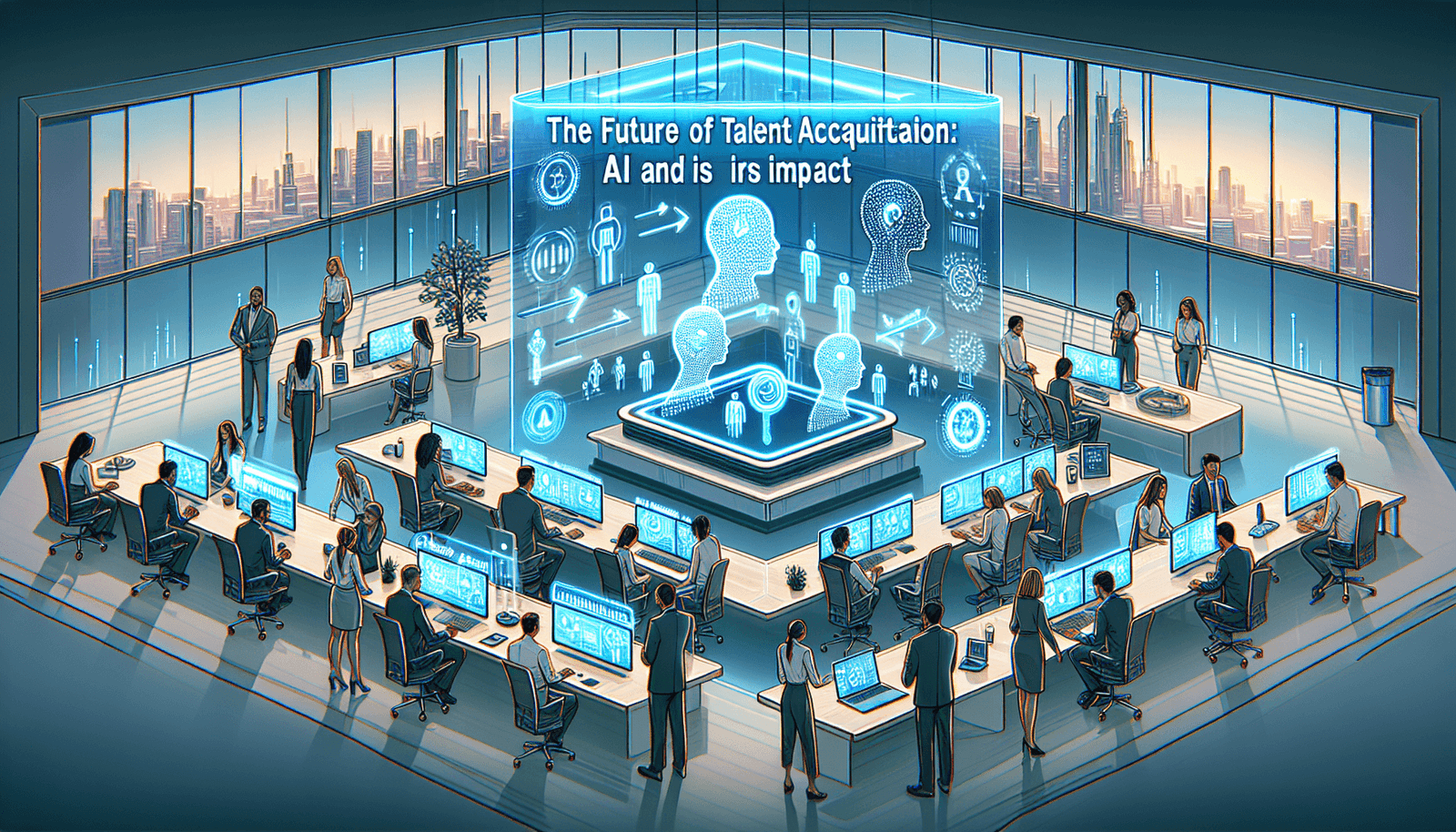
  • The Future of Talent Acquisition: AI and its Impact

    The Future of Talent Acquisition: AI and its Impact

    ai staffing

    I. Introduction

    Talent acquisition has entered a new era with the integration of artificial intelligence (AI). As technology continues to revolutionize recruitment practices, staying informed about the impact of AI on talent acquisition is crucial for businesses looking to maintain a competitive edge in the job market. With AI streamlining processes and enhancing candidate sourcing, understanding its role and implications can help companies adapt and thrive in the modern talent landscape.

    Limitations of Traditional Hiring

    In the era of rapidly evolving technology, traditional hiring practices face several challenges that can hamper the efficiency and effectiveness of the talent acquisition process. One such limitation is the time-consuming nature of traditional hiring processes. Employers often spend significant amounts of time screening resumes, conducting interviews, and evaluating candidates, which can delay hiring decisions and prolong the recruitment cycle.

    Furthermore, high costs are associated with traditional hiring methods. These expenses include advertising job openings, paying recruiters or staffing agencies, and investing in background checks and pre-employment assessments. These costs can quickly add up, putting a strain on a company’s budget and resources.

    Unconscious bias is another concern in traditional hiring practices. Despite best intentions, hiring managers may unintentionally favor candidates based on factors unrelated to job performance, such as gender, race, or age. This bias can lead to unequal opportunities for qualified candidates and limit workplace diversity.

    Lastly, finding quality candidates can be a significant challenge in traditional hiring. With a vast pool of job seekers, it can be difficult for employers to identify the best fit for their organization. This issue can result in a higher risk of hiring the wrong candidate, which can be costly and detrimental to a company’s performance and culture.

    As a result, businesses are increasingly turning to AI-powered staffing solutions to overcome these limitations and revolutionize their talent acquisition processes.

    AI: The Game Changer in Talent Acquisition

    Artificial Intelligence (AI) is revolutionizing the talent acquisition landscape, transforming the way recruiters and hiring managers approach the recruitment process. With its ability to automate repetitive tasks, improve the quality of hires, enable data-driven decision-making, and reduce unconscious bias, AI is truly a game changer in the field.

    Automating Repetitive Tasks

    One of the primary advantages of AI in talent acquisition is its ability to automate repetitive tasks, such as resume screening and interview scheduling. By taking over these time-consuming activities, AI allows recruiters to focus on more strategic aspects of the hiring process, such as building relationships with candidates and developing targeted recruitment strategies.

    Improving the Quality of Hires

    AI can assist in making more informed hiring decisions by providing insights into a candidate’s potential performance and fit within the organization. With AI-driven assessments and predictive analytics, recruiters can better understand a candidate’s capabilities and determine if they will be successful in the role. This leads to higher-quality hires and ultimately, improved organizational performance.

    Data-Driven Decision-Making

    AI enables recruiters to make data-driven decisions throughout the talent acquisition process. By analyzing historical data on successful hires, AI can identify patterns and trends that can inform future hiring decisions. This helps organizations make more objective and effective decisions, ultimately leading to better talent outcomes.

    Reducing Unconscious Bias

    Unconscious bias can significantly impact the fairness and effectiveness of the hiring process. AI has the potential to mitigate this issue by providing objective assessments of candidates, ensuring that decisions are based on relevant factors, rather than personal biases. By reducing the influence of unconscious bias, AI can help organizations create a more diverse and inclusive workforce.

    In summary, the adoption of AI in talent acquisition is reshaping the industry by streamlining processes, enhancing candidate sourcing, improving the quality of hires, promoting data-driven decision-making, and reducing unconscious bias. As AI continues to advance, its impact on talent acquisition will only grow, making it essential for organizations to stay informed and adapt to the changing recruitment landscape.

    AI-Powered Tools and Solutions

    As technology continues to advance, AI-powered tools and solutions are transforming the landscape of talent acquisition. These innovative tools are designed to streamline and improve various aspects of the recruitment process, allowing HR professionals to focus on strategic initiatives and personalized interactions. Here, we explore four key areas in which AI is making a significant impact on talent acquisition:

    AI-Driven Talent Assessment

    AI-driven talent assessment tools enable recruiters to evaluate and rank candidates based on their skills, experience, and potential fit with the organization. By using advanced algorithms and machine learning, these tools can analyze vast amounts of data, identify patterns, and generate insights to help recruiters make more informed decisions. AI-driven talent assessments can also reduce the risk of unconscious bias, promoting fair and inclusive hiring practices.

    AI in Candidate Engagement

    Engaging with candidates throughout the recruitment process is essential to create a positive candidate experience. AI-powered chatbots and virtual assistants can help recruiters manage candidate communication more efficiently by answering common questions, providing real-time updates, and even conducting initial interviews. This not only saves time for recruiters but also ensures that candidates feel valued and informed throughout the hiring process.

    AI in Interview Scheduling and Screening

    Coordinating interviews can be a time-consuming task for recruiters, especially when dealing with multiple candidates and schedules. AI-powered tools can automate this process by analyzing calendars, identifying available time slots, and scheduling interviews accordingly. In addition, AI-driven video interview platforms can evaluate candidate responses, analyze body language, and provide insights to help recruiters assess candidates more effectively.

    AI in Onboarding and Retention

    The onboarding process is critical to ensuring that new hires feel welcome and supported in their new roles. AI-powered tools can assist with various onboarding tasks, such as creating personalized onboarding plans, tracking progress, and providing real-time feedback. Moreover, AI-driven analytics can help organizations identify patterns and trends related to employee retention, enabling HR professionals to develop targeted strategies to improve employee engagement and reduce turnover.

    In conclusion, AI-powered tools and solutions are revolutionizing talent acquisition by automating repetitive tasks, enhancing candidate engagement, and providing valuable insights to inform decision-making. As AI technology continues to evolve, it is essential for organizations to stay updated and embrace these innovations to remain competitive in the ever-changing world of talent acquisition.

    Ethical AI in Talent Acquisition

    Incorporating ethical AI in talent acquisition is essential to ensure a fair and inclusive hiring process. With the increasing use of AI-powered tools in recruitment, it’s important to address potential biases, maintain transparency, and promote fair hiring practices.

    Transparency in AI Applications

    Being transparent in the use of AI in talent acquisition is crucial to building trust with candidates and ensuring unbiased decision-making. Companies should disclose the use of AI tools in their recruitment process and provide clear information on how algorithms are used to assess and select candidates. This openness allows candidates to better understand the hiring process and fosters a sense of fairness.

    Potential Biases in AI Algorithms

    AI algorithms are prone to biases, as they rely on historical data to make predictions. If this data contains biased information, the AI tools will likely perpetuate these biases in the recruitment process. To prevent this, it’s important to continually audit AI algorithms and ensure they are trained on diverse and unbiased data sets. This will help minimize discrimination and promote equal opportunities for all candidates.

    Addressing Ethical Concerns

    To address ethical concerns in AI-driven talent acquisition, companies must establish guidelines and best practices for the use of AI tools. This includes ethical considerations, such as respecting candidate privacy, ensuring data security, and maintaining compliance with relevant laws and regulations. By implementing these practices, companies can foster an ethical recruitment process and mitigate potential risks associated with AI applications.

    Promoting Fair and Inclusive Hiring Practices

    Ethical AI in talent acquisition goes beyond addressing biases and transparency. It also encompasses promoting fair and inclusive hiring practices that provide equal opportunities to all candidates, regardless of their background, gender, ethnicity, or other factors. By leveraging AI tools that support unbiased decision-making and implementing diversity and inclusion initiatives, companies can create a more equitable and inclusive recruitment process.

    VI. Future Trends in AI and Talent Acquisition

    As technology advances, AI continues to reshape the landscape of talent acquisition. Looking ahead, several key trends are emerging in the field, such as predictive hiring, personalized candidate experiences, integration with other technologies, and the constant evolution of AI algorithms.

    Predictive Hiring

    One of the most promising trends in AI and talent acquisition is predictive hiring. This approach utilizes AI-powered analytics to forecast the success of potential candidates based on their skills, experiences, and other relevant factors. By analyzing historical data on successful hires, predictive hiring can help organizations identify top talent more effectively and streamline the recruitment process.

    Personalized Candidate Experiences

    AI is also enabling more personalized experiences for job seekers. From tailored job recommendations to customized interview scheduling, AI-driven platforms can provide a seamless and engaging experience for candidates. This not only helps organizations stand out in the competitive job market but also fosters positive relationships with potential hires, increasing the chances of securing top talent.

    Integration of AI with Other Emerging Technologies

    The future of talent acquisition will see AI integrated with other cutting-edge technologies, such as virtual reality, blockchain, and the Internet of Things (IoT). These combinations will further enhance the capabilities of AI-driven tools and enable innovative recruitment strategies, ultimately transforming the way organizations source, assess, and onboard talent.

    Continuous Improvement of AI Algorithms

    As AI continues to evolve, so too will the algorithms that power its applications in talent acquisition. Ongoing advancements in machine learning and natural language processing will enable AI tools to analyze and understand increasingly complex data, leading to more accurate and insightful predictions. This constant improvement will help organizations stay ahead of the curve and ensure their talent acquisition strategies remain effective in an ever-changing landscape.

    VII. Case Studies and Success Stories

    Many companies have successfully implemented AI in their talent acquisition processes, experiencing significant improvements in efficiency and effectiveness. Some of these organizations have leveraged AI-powered tools and solutions to streamline the recruitment process, enhance candidate sourcing, and improve the quality of hires.

    One of the key benefits of AI adoption in talent acquisition is the ability to automate repetitive tasks, such as resume screening and interview scheduling. This allows recruiters to focus on more strategic aspects of the hiring process, ultimately leading to better outcomes for both the organization and its candidates.

    Moreover, AI-powered analytics can provide valuable insights into candidate preferences and behavior, enabling companies to make more informed decisions and tailor their recruitment strategies accordingly. This data-driven approach has proven to be highly effective in identifying top talent and ensuring the right fit for both the candidate and the organization.

    As companies continue to adopt AI in their talent acquisition processes, several lessons have emerged as best practices. One such lesson is the importance of continuous learning and staying informed about AI developments. As AI technology continues to evolve, organizations should be proactive in embracing new tools and solutions, and refining their recruitment strategies to stay ahead of the curve.

    Another key lesson is the need for transparency and ethical considerations when implementing AI in talent acquisition. It is crucial for companies to address any potential biases in AI algorithms and ensure that their hiring practices are fair and inclusive. By doing so, they can foster a positive employer brand and attract a diverse talent pool.

    In conclusion, the success stories of companies that have embraced AI in talent acquisition demonstrate the transformative potential of this technology. By adopting AI-powered tools and solutions, organizations can streamline their recruitment processes, improve the quality of hires, and stay ahead in the competitive talent market.

    Preparing for the Future of Talent Acquisition

    As the landscape of talent acquisition evolves, it is essential for businesses to stay ahead of the curve by embracing AI and automation, adapting to changing recruitment practices, investing in AI-powered tools, and continuously learning about AI developments.

    Embracing AI and automation is a crucial step in staying competitive in the recruitment industry. By leveraging AI technologies, companies can streamline their hiring processes, reduce unconscious bias, and make data-driven decisions. This not only saves time and resources but also enhances the overall quality of hires, leading to a more diverse and skilled workforce.

    Adapting to changing recruitment practices is equally important. With the rise of AI, traditional recruitment methods may become less effective, and new techniques, such as using AI-powered chatbots for candidate engagement or incorporating AI-driven assessments, will become more prevalent. By staying agile and open to change, businesses can ensure they are at the forefront of talent acquisition and are well-equipped to source the best candidates for their organization.

    Investing in AI-powered tools and solutions is a strategic move for businesses looking to improve their talent acquisition capabilities. These tools can help automate repetitive tasks, provide valuable insights from data analysis, and offer a more personalized candidate experience. By integrating AI into their recruitment processes, companies can not only improve efficiency but also gain a competitive edge in the market.

    Finally, continuous learning and staying informed on AI developments is essential for businesses to remain relevant in the ever-evolving world of talent acquisition. By keeping up-to-date with the latest AI trends, technologies, and best practices, businesses can make informed decisions, anticipate changes in the industry, and adapt their recruitment strategies accordingly.

    In conclusion, the future of talent acquisition lies in the intersection of AI and human expertise. By embracing AI, adapting to changes in recruitment practices, investing in AI-powered tools, and continuously learning about AI developments, businesses can stay ahead of the curve and ensure they are well-prepared for the future of talent acquisition.

    Conclusion

    In the rapidly evolving world of talent acquisition, the impact of AI is inevitable. As technology continues to advance, it is essential for businesses to embrace AI solutions in order to stay competitive and streamline their recruitment processes. By adopting AI-powered tools and staying updated on AI trends and developments, companies can enhance their ability to find and hire the best talent available.

    The importance of adopting AI solutions in talent acquisition cannot be overstated. Companies that invest in AI-driven recruitment strategies are likely to see significant improvements in the efficiency and effectiveness of their hiring processes. This can result in reduced time-to-hire, lower costs, and a more diverse and talented workforce.

    As the future of talent acquisition unfolds, staying informed about AI trends and developments is crucial for success. This not only helps businesses to make better decisions regarding their recruitment strategies but also ensures that they are prepared for the ongoing technological advancements that are transforming the industry. By staying updated on AI innovations, companies can ensure that they remain at the forefront of the talent acquisition landscape and are well-equipped to navigate the challenges and opportunities that lie ahead.

    Embrace AI in Talent Acquisition

    As AI continues to revolutionize the talent acquisition landscape, it’s crucial for professionals to stay updated on emerging trends and technologies. With AI-powered staffing solutions shaping the future of recruitment, don’t miss out on the benefits they bring to the table. For more information on how AI can optimize your hiring process, consider reaching out to AI-Powered Staffing directly once their website is fully operational.

    In the meantime, stay tuned for future updates on AI-powered staffing advancements and trends, and explore other reputable resources to gain insights into how AI is impacting talent acquisition. With the right tools and knowledge, you’ll be well-equipped to embrace the future of recruitment.

    Contact us to learn more about how AI-Powered Staffing can revolutionize your talent acquisition process.

  • Why AI is Essential For Talent Acquisition

    Why AI is Essential For Talent Acquisition

    Why AI is Essential for Talent Acquisition in a Competitive Job Market

    AI in Talent Acquisition

    In the fast-paced, technology-driven world, artificial intelligence (AI) has become a game-changer for talent acquisition. As businesses strive to secure top talent in a competitive job market, traditional recruitment methods fall short in efficiency and accuracy. AI-powered tools and technologies offer a cutting-edge approach to streamline the hiring process, reduce bias, and enhance candidate experiences. Embracing AI in talent acquisition is imperative for organizations seeking to stay ahead of the curve and maintain a competitive edge in securing the best talent.

    Introduction

    Over the years, artificial intelligence (AI) has become increasingly important in various industries, driving innovation, efficiency, and productivity. One area where AI has demonstrated significant potential is in talent acquisition. In today’s competitive job market, it is essential to employ efficient and accurate methods to identify and attract the best talent. This section will briefly explain the growing importance of AI in multiple sectors and its necessity in a competitive job market.

    The Current State of Talent Acquisition

    In the competitive job market, recruiters face numerous challenges. One of the major hurdles is the increasing volume of job applicants, which makes it difficult to identify and attract top talent. Traditional recruitment methods, such as manual resume screening and in-person interviews, are time-consuming and prone to human bias. As a result, there is a growing need for a more efficient, innovative, and accurate approach to talent acquisition.The limitations of traditional recruitment methods can cause organizations to miss out on top candidates. For instance, manual screening of resumes often results in overlooking valuable candidates due to the sheer volume of applications. Furthermore, reliance on personal networks and job boards may limit the exposure to diverse talent pools.To overcome these challenges and stay competitive in the job market, organizations must adopt more advanced strategies. This is where artificial intelligence (AI) comes into play. By leveraging AI, companies can streamline their recruitment process, minimize human bias, and make data-driven decisions to identify and attract the best candidates. This innovative approach to talent acquisition ensures that organizations stay ahead of the curve and secure the top talent they need to thrive in today’s competitive landscape.

    How AI is Transforming Talent Acquisition

    Artificial intelligence (AI) has become an essential tool for talent acquisition in the competitive job market. By leveraging various AI technologies, such as machine learning, natural language processing, and robotic process automation (RPA), recruiters can significantly improve their hiring processes and secure top talent more efficiently.

    One way AI is transforming talent acquisition is by enhancing job descriptions and job postings. AI-powered tools can analyze job descriptions and identify areas for improvement, such as using more inclusive language or removing unconscious bias. These improvements can make job postings more appealing to a diverse range of candidates, thus attracting better talent.

    Another area where AI has made a significant impact is candidate sourcing. Through machine learning algorithms, AI can automate the process of searching for potential candidates on various platforms, such as social media and job boards. This automation saves time and resources for recruiters while identifying highly qualified candidates faster and more accurately than manual methods.

    AI also plays a crucial role in applicant screening, skill assessment, and bias mitigation. By using advanced algorithms, AI can quickly analyze a large volume of applications, focusing on relevant skills and qualifications without the influence of unconscious bias. This ensures a fair and objective evaluation of candidates, ultimately leading to a more diverse and skilled workforce.

    AI and the Candidate Experience

    The impact of AI on the candidate experience is significant, as it touches on various aspects of the recruitment process, from online interviewing to onboarding. AI-powered solutions enable a more personalized and engaging experience for candidates, ultimately improving communication and feedback throughout the hiring process.

    One key area where AI enhances the candidate experience is online interviewing. By leveraging AI technologies, such as natural language processing and sentiment analysis, recruiters can better understand a candidate’s responses and gauge their suitability for a role. This enables a more efficient and accurate assessment of a candidate’s skills and personality, ensuring a better match with the organization’s needs.

    Furthermore, AI can provide a more personalized experience for candidates by tailoring job recommendations and outreach based on their preferences, skills, and previous interactions. This targeted approach helps to engage candidates more effectively and increases the likelihood of finding the right fit for both the candidate and the organization.

    Another notable benefit of AI in the candidate experience is its ability to improve communication and feedback. By automating routine tasks, recruiters can dedicate more time to providing personalized feedback and maintaining meaningful conversations with candidates. This not only fosters stronger relationships between candidates and recruiters but also helps to set clear expectations and ensure a smooth onboarding process.

    In summary, AI plays a crucial role in enhancing the candidate experience in today’s competitive job market. By incorporating AI-powered solutions, organizations can streamline their recruitment processes, better engage with potential talent, and ultimately find the right match for their needs.

    Economic Advantages of AI in Talent Acquisition

    Implementing AI in talent acquisition processes can lead to significant cost-saving benefits. By automating various aspects of the recruitment process, such as candidate sourcing and screening, organizations can save time and resources. This efficiency enables recruiters to focus on more strategic tasks, reducing the overall cost of hiring.

    Investing in AI-powered talent acquisition tools and technologies has the potential to offer a substantial return on investment (ROI). As AI algorithms become more advanced and accurate, they can help organizations identify and engage with top candidates more effectively. This improved targeting can lead to higher quality hires, reducing employee turnover and associated recruitment costs. Furthermore, AI can streamline the entire hiring process, shortening the time-to-hire and minimizing the financial impact of vacant positions.

    Staying competitive in the job market is crucial for organizations to attract and retain top talent. AI plays an essential role in this by enabling businesses to make data-driven decisions and optimize their recruitment strategies. By leveraging AI, organizations can identify trends and patterns in candidate behavior, helping them to adapt their approaches and stay ahead of competitors. Ultimately, the efficient acquisition of top talent through AI can provide a significant competitive edge in the dynamic job market.

    Overcoming Challenges and Preparing for the Future

    As the use of artificial intelligence in talent acquisition becomes more widespread, organizations must address common concerns and challenges related to its implementation. One of the primary concerns is data privacy and security. Ensuring the confidentiality of candidate and employee information is crucial, and organizations must work with AI solution providers that prioritize these aspects.

    In addition to addressing privacy and security concerns, it is essential for companies to stay ahead in the evolving job market. This requires continuous learning and adaptation to new technologies and trends. As the landscape of talent acquisition changes, organizations must be agile and adaptable in order to maintain a competitive edge.

    Embracing AI technologies is a crucial step in preparing for the future of talent acquisition. Companies that invest in AI-powered solutions will be better equipped to navigate the complex and competitive job market, attract top talent, and ultimately achieve success. By implementing AI in their recruitment processes, organizations can overcome challenges and set themselves up for a more efficient and effective talent acquisition strategy.

    Embrace AI-Powered Success

    Throughout this blog post, we have explored the crucial role artificial intelligence plays in talent acquisition within a competitive job market. By leveraging AI technologies like machine learning, natural language processing, and robotic process automation, recruiters can streamline their processes, improve candidate experience, and mitigate biases. Additionally, AI offers economic advantages that can help organizations stay ahead of the competition and acquire top talent efficiently.

    To maintain a competitive edge in the ever-evolving job market, it is essential for organizations to explore and adopt AI-powered solutions in their talent acquisition strategies. To learn more about AI in talent acquisition and how it can benefit your organization, consider visiting AI-Powered Staffing for more insights and resources.

  • Why Local Businesses Should Choose AI-Powered Staffing Agencies

    Why Local Businesses Should Choose AI-Powered Staffing Agencies

    AI-Powered Staffing Agencies: A Game Changer for Local Businesses

    AI-powered staffing agencies

    AI-powered staffing agencies harness the power of artificial intelligence to revolutionize the hiring process. By leveraging cutting-edge technology, these agencies enable local businesses to find the perfect candidates quickly and efficiently. Selecting the right staffing agency is crucial for local businesses, as it directly impacts their success in the competitive market.

    What is AI-Powered Staffing?

    AI-powered staffing refers to the integration of artificial intelligence (AI) technologies into the recruitment and hiring processes of staffing agencies. This innovative approach helps streamline various aspects of talent acquisition, from candidate sourcing and screening to onboarding and retention, making it more efficient and effective for both employers and job seekers.

    AI Integration in the Staffing Process

    AI plays a crucial role in modern staffing solutions by automating repetitive tasks, analyzing large volumes of data, and providing insights into candidate suitability and potential. Key areas where AI is integrated into the staffing process include:

    • Automated candidate sourcing: AI algorithms search through multiple databases and platforms to identify potential candidates based on job requirements, skills, and qualifications.
    • Resume parsing and screening: AI-driven tools can quickly parse resumes, extract relevant information, and rank candidates based on their suitability for a particular job.
    • Chatbots and virtual assistants: AI-powered chatbots can communicate with candidates, answering questions and guiding them through the application process, saving time and resources for the staffing agency.
    • Predictive analytics: By analyzing historical data, AI can help staffing agencies predict hiring trends, identify skill gaps, and anticipate workforce needs, enabling them to make informed decisions and proactive strategies.

    Benefits of AI-Driven Technologies in Staffing

    There are several benefits associated with the use of AI-driven technologies in staffing, including:

    • Increased efficiency: Automation of time-consuming tasks allows staffing agencies to focus on more strategic and value-adding activities, improving their overall productivity and efficiency.
    • Higher quality of candidates: AI algorithms analyze candidate data more objectively and accurately than human recruiters, resulting in better matches and higher-quality candidates for job openings.
    • Reduced hiring costs: By streamlining the recruitment process, AI-powered staffing solutions can help reduce the time-to-hire and overall hiring costs for businesses.
    • Better candidate experience: AI-driven tools, such as chatbots and virtual reality simulations, offer an engaging and personalized experience for job seekers, leading to a better candidate experience and higher retention rates.

    Advantages of Choosing AI-Powered Staffing Agencies for Local Businesses

    Local businesses can greatly benefit from choosing AI-powered staffing agencies over traditional ones. The integration of artificial intelligence in the staffing process brings numerous advantages that can help businesses find the right candidates more efficiently and effectively.

    Improved Candidate Matching Through Deep Learning Algorithms

    One key advantage of AI-powered staffing agencies is their use of deep learning algorithms to better understand candidate skills and experiences. This results in increased accuracy in matching candidates to job requirements. By leveraging AI, staffing agencies can quickly analyze large volumes of data and identify the most suitable candidates, increasing the chances of successful placements.

    Enhanced Efficiency in Candidate Screening

    AI-powered staffing agencies also offer enhanced efficiency in candidate screening, reducing manual efforts and speeding up the hiring process. Advanced algorithms can sift through resumes, assess candidate skills, and rank applicants based on their relevance to the job. This automation not only saves time but also helps businesses find the best talent faster, ultimately leading to a shorter time-to-hire.

    Utilization of Predictive Analytics

    Another advantage of AI-powered staffing agencies is their ability to harness predictive analytics to make better-informed decisions. By analyzing historical data and identifying patterns, these agencies can forecast staffing needs and trends, helping local businesses plan their workforce more effectively. This data-driven approach enables businesses to make strategic hiring decisions that align with their growth and expansion plans.

    Local businesses stand to gain significant advantages by choosing AI-powered staffing agencies. From improved candidate matching and screening to predictive analytics and immersive candidate assessments, AI-driven staffing solutions offer a competitive edge in today’s rapidly evolving job market.

    AI-Powered Staffing vs. Traditional Staffing Agencies

    As technology continues to advance and reshape various industries, AI-powered staffing agencies and traditional staffing agencies have become increasingly distinct. The key differences lie in their usage of technology, candidate sourcing and screening, and the impact on hiring costs and time-to-fill.

    Comparison of Technology Usage

    AI-powered staffing agencies leverage cutting-edge technologies such as machine learning, data analytics, and natural language processing to streamline the hiring process. These technologies allow AI-powered agencies to automate repetitive tasks, generate valuable insights, and improve decision-making. On the other hand, traditional staffing agencies rely more on manual processes and human intuition, which can be time-consuming and less efficient.

    Differences in Candidate Sourcing and Screening

    When it comes to candidate sourcing, AI-powered staffing agencies have a significant advantage over traditional agencies. They utilize advanced algorithms to search and analyze vast amounts of data, including resumes, social media profiles, and job boards, to identify suitable candidates quickly and accurately. In contrast, traditional staffing agencies may rely on more time-consuming methods, such as manually searching job boards or tapping into personal networks. The screening process is also optimized in AI-powered agencies through automated tools that assess candidate skills, experiences, and cultural fit, reducing the time spent on manual reviews of resumes and applications.

    Impact on Hiring Costs and Time-to-Fill

    With the implementation of AI-driven technologies, AI-powered staffing agencies can significantly reduce the time and cost associated with hiring. Automation of tasks such as candidate sourcing, screening, and interview scheduling results in a faster and more efficient hiring process. This ultimately translates to reduced time-to-fill and lower hiring costs for businesses. In contrast, traditional staffing agencies may struggle to keep up with the speed and efficiency offered by AI-powered counterparts, potentially leading to higher costs and longer time-to-fill for open positions.

    In conclusion, the differences between AI-powered staffing agencies and traditional staffing agencies are becoming more apparent as technology continues to evolve. Local businesses should consider the advantages of partnering with AI-powered agencies to optimize their hiring processes and gain a competitive edge in the market.

    Overcoming AI-Related Challenges in Staffing

    While AI-powered staffing agencies offer numerous advantages to local businesses, there are certain challenges that may arise. Here, we will address three common concerns related to AI in staffing and provide insights on how to overcome these hurdles.

    Addressing Concerns About AI Replacing Human Staff Members

    One of the most common concerns about AI in staffing is the potential for technology to replace human staff members. However, it’s essential to understand that AI is meant to complement the work of human recruiters, not replace them. AI-powered staffing agencies can enhance the efficiency of the recruitment process by automating repetitive tasks and allowing human staff to focus on more critical aspects, such as relationship building, understanding the needs of clients and candidates, and providing personalized service. By working in tandem, AI and human recruiters can create a more efficient and effective staffing process that benefits both local businesses and job seekers.

    Ensuring Data Privacy and Security

    Another challenge related to AI in staffing is data privacy and security. As AI-powered staffing agencies handle vast amounts of sensitive information, it’s crucial to ensure that data is protected. Local businesses should choose agencies that prioritize data protection and have robust security measures in place. This may include encryption, secure data storage, and regular security audits. Moreover, businesses should inquire about the agency’s data handling policies and compliance with relevant data protection regulations. By partnering with a responsible and security-conscious AI-powered staffing agency, local businesses can minimize the risk of data breaches and protect their clients’ and candidates’ information.

    Balancing AI-Driven Automation with Human Touchpoints

    Finally, it’s essential to strike a balance between AI-driven automation and human touchpoints in the staffing process. While AI can streamline various aspects of recruitment, it’s important to remember that human interaction is still a vital component of the process. Local businesses should opt for AI-powered staffing agencies that recognize the value of human touchpoints and ensure a personalized approach throughout the hiring process. By combining the efficiency of AI with the empathy and understanding of human recruiters, local businesses can create a more seamless and satisfying experience for both clients and candidates.

    Embracing AI-Driven Solutions

    Throughout this blog, we’ve delved into the numerous benefits local businesses can gain by choosing AI-powered staffing agencies. From improved candidate matching and screening to predictive analytics and virtual reality simulations, these agencies significantly enhance the hiring process. As local businesses aim to stay competitive in the ever-evolving market, embracing AI-driven staffing solutions could be the key to securing top talent and optimizing operations. Don’t hesitate to explore what AI-powered staffing agencies have to offer and visit AI-Powered Staffing to learn more about their services.

  • Provide Staffing Solutions: 5 Keys to Boost Your Business

    Provide Staffing Solutions: 5 Keys to Boost Your Business

    I. Introduction

    Introduction to AI-Powered Staffing Solutions

    Effective staffing solutions are crucial for businesses to attract and retain top talent. AI-Powered Staffing offers an innovative approach to streamline the hiring process and drive business growth by leveraging advanced technology and data-driven insights.

    II. Building a Strong Employer Brand

    A strong employer brand plays a crucial role in attracting top talent to your organization. It serves as a reflection of your company’s values, culture, and reputation in the job market. A compelling employer brand not only draws in potential candidates but also helps retain your current workforce by fostering a sense of pride and belonging.

    With the growing competition for skilled professionals, it’s essential for businesses to focus on strengthening their employer brand. One way to achieve this is by leveraging innovative staffing solutions, such as AI-Powered Staffing. This cutting-edge technology can enhance your brand visibility, ensuring that your organization stands out from the competition and attracts the best talent available.

    A. Importance of a strong employer brand for attracting talent

    The importance of a strong employer brand cannot be overstated. It acts as a magnet for attracting the right candidates who align with your organization’s mission and values. A powerful employer brand sets you apart from your competitors, making it easier for candidates to choose your company over others in the market. Additionally, a robust employer brand helps reduce hiring costs by decreasing the time it takes to fill open positions and increasing the quality of applicants.

    B. Utilizing AI-Powered Staffing to enhance brand visibility

    AI-Powered Staffing can be a game-changer for businesses looking to boost their employer brand. This technology can analyze vast amounts of data to identify the most effective channels and platforms for promoting your brand. It can also help you create targeted and engaging content that resonates with your desired audience, ensuring that your organization is seen by the right talent at the right time.

    Furthermore, AI-Powered Staffing can streamline the entire recruitment process, making it more efficient and enjoyable for both candidates and hiring managers. This positive experience contributes to building a strong employer brand, as candidates are more likely to share their positive experiences with others, further enhancing your brand’s reputation in the market.

    In conclusion, building a strong employer brand is essential for attracting and retaining top talent in today’s competitive job market. By leveraging AI-Powered Staffing, businesses can enhance their brand visibility and streamline the recruitment process, ultimately boosting their overall success and growth.

    III. Optimizing Your Careers Page and Job Postings

    The careers page and job postings play a critical role in attracting the right talent and providing a positive candidate experience. To make the most of this opportunity, it’s essential to create engaging and informative job postings and optimize the careers page for better user experience.

    A. Tips for creating engaging and informative job postings

    An effective job posting should capture the attention of potential candidates, clearly communicate the role’s responsibilities, and outline the necessary qualifications. Here are a few tips to achieve this:

    • Use clear and concise language to describe the role and its requirements.
    • Highlight the unique aspects of the position, such as growth opportunities or company culture.
    • Include relevant keywords to help candidates find your job posting through search engines.
    • Make the application process easy and straightforward, with clear instructions on how to apply.

    By following these tips, you can create job postings that resonate with the right candidates and encourage them to apply for your open positions.

    B. How AI-Powered Staffing can help optimize career pages for better candidate experience

    AI-Powered Staffing can significantly enhance your careers page by providing a personalized and intuitive user experience. Here’s how:

    • AI algorithms can analyze user behavior and preferences to recommend relevant job openings.
    • Chatbots can answer candidate queries in real-time, providing instant support and guidance throughout the application process.
    • Automated resume screening can save time and effort, ensuring that only qualified candidates make it through to the interview stage.
    • AI can help in tracking and analyzing candidate engagement metrics, which can inform adjustments to the careers page for continuous improvement.

    By leveraging the power of AI-Powered Staffing, businesses can optimize their careers pages and job postings, attracting top talent and providing a seamless candidate experience.

    IV. Accessing a Massive Talent Pool through Recruitment Events

    One effective way to provide staffing solutions and attract top talent is by participating in recruitment events and career fairs. These events offer numerous benefits, such as connecting with potential candidates and networking with other industry professionals. AI-Powered Staffing can play a crucial role in targeting and engaging potential candidates at these events, ensuring the best possible outcomes for your business.

    A. Benefits of attending recruitment events and career fairs

    Recruitment events and career fairs provide an excellent opportunity for businesses to expand their talent pool and connect with skilled candidates. These events allow companies to showcase their brand, share their values and culture, and demonstrate why they are an attractive employer. Furthermore, attending such events enables businesses to network with other professionals in the industry, exchange ideas, and stay up-to-date with the latest trends in hiring and talent management.

    B. How AI-Powered Staffing can help target and engage potential candidates at these events

    AI-Powered Staffing solutions can significantly enhance your business’s presence at recruitment events and career fairs. By leveraging advanced algorithms and data analysis, AI-Powered Staffing can identify the most suitable candidates and help you tailor your approach to engage with them effectively. These solutions can also assist in tracking and managing interactions with potential candidates, ensuring that no valuable leads are lost. Moreover, AI-Powered Staffing can analyze candidate data, such as skills, experience, and qualifications, to help you make informed decisions about the best-fit talent for your business. By incorporating AI-Powered Staffing solutions into your recruitment strategy, you can maximize your chances of attracting and securing top talent at these events.

    V. Leveraging Employee Referrals

    Employee referrals have long been recognized as a powerful staffing solution. They can provide businesses with high-quality candidates who are a good fit for the company culture, as current employees have a deep understanding of the organization’s values and requirements. In addition, referrals can speed up the hiring process and reduce recruitment costs, as employees often have a vested interest in the success of the referred candidate.

    By integrating AI technology into the referral process, businesses can streamline and automate various tasks, such as tracking referral statuses, measuring program effectiveness, and providing timely rewards to employees. This not only enhances the overall referral experience but also ensures that employees remain engaged and motivated to continue referring top talent.

    Furthermore, AI-Powered Staffing can help identify employees who are most likely to provide valuable referrals by analyzing their connections and professional networks. This targeted approach can lead to a higher success rate in finding the right candidates while also ensuring that employees feel recognized and appreciated for their contributions to the staffing process.

    In conclusion, leveraging employee referrals can boost your business by providing staffing solutions that are cost-effective, efficient, and aligned with your company culture. Embracing AI-Powered Staffing can further enhance the referral process, ensuring a seamless experience for both employees and the organization as a whole.

    Building a Diverse Workplace and Showcasing Employee Benefits

    A diverse and inclusive workplace plays a crucial role in driving innovation, fostering creativity, and improving employee satisfaction. Embracing diversity and inclusion not only helps businesses attract top talent but also leads to better decision-making and problem-solving. In today’s competitive market, companies must prioritize building a diverse workforce to ensure long-term success.

    AI-Powered Staffing can be instrumental in promoting diversity and inclusion within the workplace. By leveraging advanced algorithms and data analytics, this technology can help identify and mitigate unconscious biases in the hiring process. Moreover, AI-Powered Staffing can analyze a wide range of candidate profiles, ensuring that the talent pool is diverse and representative of various backgrounds, experiences, and skillsets.

    Once a diverse workforce is in place, it is essential to showcase the employee benefits that set your company apart. By highlighting these perks, you can attract and retain top talent, while also enhancing your company’s reputation as an employer of choice. AI-Powered Staffing can play a significant role in this regard by automating the process of identifying and promoting employee benefits that resonate with the targeted audience.

    For instance, AI-Powered Staffing can analyze employee feedback and satisfaction surveys to pinpoint the most valued benefits and tailor them to individual preferences. This allows companies to not only showcase their commitment to employee well-being but also create a workplace where everyone feels valued and supported.

    In conclusion, building a diverse workplace and showcasing employee benefits are essential components of providing staffing solutions that boost your business. By embracing AI-Powered Staffing, companies can foster an inclusive work environment that attracts and retains the best talent, ultimately driving innovation and success in today’s competitive landscape.

    VII. Cost-Effective and On-Demand Staffing Solutions

    In today’s competitive business landscape, cost-effective and on-demand staffing solutions have become increasingly important for businesses seeking to streamline their hiring processes. AI-Powered Staffing is revolutionizing the talent acquisition landscape by providing an innovative approach to meet these demands.

    A. The Benefits of Using AI-Powered Staffing for Cost-Effective and On-Demand Talent Acquisition

    AI-Powered Staffing offers numerous benefits for businesses aiming to optimize their staffing processes and maintain a competitive edge. These benefits include:

    • Reduced time-to-hire: By automating the initial stages of the hiring process, AI-Powered Staffing can significantly decrease the time it takes to fill a position, ensuring that businesses have access to the talent they need, when they need it.

    • Improved candidate quality: AI algorithms can analyze large volumes of data to identify candidates who are the best fit for specific roles, leading to better matches and higher-quality hires.

    • Cost savings: The efficiency gains provided by AI-Powered Staffing can lead to significant cost savings in the hiring process, allowing businesses to reallocate resources to other strategic initiatives.

    B. Examples of How AI-Powered Staffing Can Save Time and Money in the Hiring Process

    As AI-Powered Staffing continues to advance, real-world examples of its benefits are becoming increasingly evident. Some examples of how this innovative technology can save time and money in the hiring process include:

    • Automated candidate screening: AI algorithms can quickly and accurately review thousands of resumes, eliminating the need for time-consuming manual review by recruiters.

    • Intelligent job matching: By analyzing job descriptions and candidate profiles, AI-Powered Staffing can identify the most suitable candidates for specific roles, reducing the risk of making costly hiring mistakes.

    • Automated interview scheduling: AI-powered chatbots can handle the complex task of coordinating schedules and arranging interviews, freeing up recruiters to focus on more strategic tasks.

    • Proactive talent pipeline building: AI-Powered Staffing can help businesses stay ahead of their talent needs by continuously sourcing and engaging with passive candidates, reducing the time and effort required to fill future vacancies.

    By leveraging the power of AI-Powered Staffing, businesses can streamline their hiring processes, reduce costs, and ultimately boost their bottom line.

    VIII. Streamlining Management, Hiring, and Retention Processes

    Effective management, hiring, and retention processes are crucial for the growth and success of a business. AI-Powered Staffing can play a significant role in streamlining these processes and ensuring a smooth talent acquisition experience.

    A. The Role of AI-Powered Staffing in Improving Hiring and Retention Strategies

    AI-Powered Staffing can help improve hiring and retention strategies by automating and optimizing various aspects of the recruitment process. This includes identifying the best candidates based on their skills, experience, and fit for the company culture. In addition, AI can help in analyzing employee performance and engagement data to understand the factors affecting retention. By leveraging AI insights, businesses can make informed decisions and create targeted strategies to attract and retain top talent.

    B. How AI-Powered Staffing Can Assist in Managing and Retaining Top Talent

    AI-Powered Staffing solutions can assist in managing and retaining top talent by providing valuable insights into employee performance, engagement, and satisfaction. By analyzing these data points, businesses can identify areas of improvement, create targeted development plans, and implement effective retention strategies.

    AI can also help in automating routine tasks, such as scheduling interviews and sending reminders, allowing HR professionals to focus on higher-value activities like building relationships with candidates and employees. This increased efficiency not only saves time and resources but also contributes to a better overall employee experience.

    In summary, AI-Powered Staffing can greatly contribute to streamlining management, hiring, and retention processes, allowing businesses to focus on their core activities and drive growth.

    Embrace AI-Driven Staffing Success

    Throughout this blog, we have explored the potential of AI-Powered Staffing in providing staffing solutions to boost business growth. By building a strong employer brand, optimizing career pages and job postings, accessing massive talent pools through recruitment events, leveraging employee referrals, building diverse workplaces, and streamlining management, hiring, and retention processes, businesses can position themselves for success. As we have seen, embracing innovative staffing strategies is crucial for a thriving business in today’s competitive market. To learn more about how AI-Powered Staffing can help your business, visit https://aistaffingsoftware.com .

  • Optimizing Recruitment: Leveraging AI Technology for Enhanced Staffing Solutions

    ai recruiting tools can be used by staffing agencies in the recruiting process to create job descriptions that will match candidates

    In the dynamic world of staffing, innovation is key to outperforming the competition. As companies across various industries aim to build high-performing teams by attracting top talent, traditional staffing methods are evolving dramatically. In the New World of Staffing, AI-powered staffing automation is emerging as a game-changer, reshaping how organizations identify, engage, and hire the best candidates. This article explores the benefits of using AI tools to enhance daily HR functions, introduces different types of AI technology, and discusses how AI-Powered Staffing can assist your company in integrating AI into your talent acquisition process.

    The Influence of AI-Powered Staffing in the Hiring Process

    AI-powered staffing technology provides organizations a superior solution to refine and streamline their hiring operations, thereby maximizing their human team’s potential. Statistics and case studies highlight the concrete advantages of incorporating AI into the staffing process. With a significant percentage of recruiters expecting new staffing tech to boost hiring efficiency, the adoption of AI technology in your recruitment and retention strategies is timely.

    The Importance of AI in Staffing Across Industries

    In various industries, from technology to healthcare, the need for efficient staffing is paramount. AI-powered staffing presents an invaluable tool for companies looking to enhance their hiring operations. Machine learning algorithms can swiftly and accurately filter through extensive applicant pools, pinpointing those best suited for diverse industry challenges and responsibilities. AI-driven platforms can assess candidates for role-specific skills, adaptability, and cultural fit—qualities crucial in every sector. For businesses operating under tight deadlines and budget constraints, AI-based staffing tools offer the efficiency and accuracy necessary to assemble a top-notch workforce, thereby addressing the labor challenges prevalent in many industries.

    Hybrid ai staffing can be used in the recruitment process for find relevant candidates and create a talent pipeline

    Different Uses for AI in the Staffing Process

    The candidate lifecycle can be reimagined through the lens of AI with our Hybrid AI model. Traditional staffing methods are becoming obsolete, necessitating a shift in approach. AI technology offers the potential to simplify and optimize each stage of the staffing process, from sourcing to onboarding, allowing your team to concentrate more on fostering human connections.

    Applicant Tracking Systems

    AI tools can search for candidates from diverse sources like social media, job portals, and internal databases. In the New World of Staffing, a significant portion of job seekers are passive candidates. With AI tools, your business can extend your talent network to include this untapped market without overloading your team or diverting their attention from other crucial staffing tasks.

    Staffing Marketing Software

    AI in staffing marketing focuses on attracting, engaging, and converting potential candidates through various channels. Your teams can utilize AI tools to analyze large data sets and provide marketing insights based on candidate behaviors and preferences. These tools also predict market trends, allowing your team to strategize and adapt accordingly.

    Resume Screening Tools

    With AI-Powered Staffing’s Hybrid AI approach, your human staffing professionals can be aided by a curated list of qualified candidates based on various criteria that your company values. AI resume analytics tools can extract pertinent information from the resumes and CVs of active job seekers. These AI screening tools enhance your talent pool’s quantity and quality while eliminating repetitive tasks, enabling quicker and more efficient candidate evaluation.

    Candidate Persona Predictions

    AI tools, through extensive data analysis, can predict social media engagement and market trends while also reviewing past staffing data. This helps AI tools understand your organization’s hiring needs, preferences, and goals. Using this information, AI tools can assist talent acquisition professionals in developing strategies to engage with job seekers that align with your company’s ideal candidate profile.

    Verification Services

    AI tools can automate background checks, reference checks, and employment verifications, allowing your team to focus more on establishing strong employee relationships.

    Onboarding Software

    The same AI software that automates verification services can also streamline the onboarding process. By automating tasks like distributing new hire paperwork and providing access to training materials, HR managers can dedicate more time to training.

    Content Creation Tools

    With Hybrid AI in staffing, AI tools can be used to create and optimize marketing content, generating ideas for newsletters, email campaigns, advertisements, and social media posts. This frees up content writers to concentrate on crafting more compelling narratives.

    Campaign Management

    Beyond content creation, there are AI tools designed for scheduling and distributing content, monitoring engagement, and allowing real-time campaign adjustments.

    Performance Tracking

    Hybrid AI enables continuous tracking of employee and marketing performance. AI tools can monitor key metrics, enabling HR managers to focus on building strong team relationships while still receiving essential performance data.

    Conversational AI

    Considering that the average hiring process lasts 36 days, with 55% of job applicants expecting follow-ups within 2 weeks of their interview, Hybrid AI can integrate chatbots to engage candidates around the clock. These AI tools can converse with job seekers, providing information about job openings and conducting pre-screenings, ensuring a consistent presence and reducing the loss of qualified applicants due to follow-up delays.

    Hiring managers can use Artificial intelligence to reach qualified candidates in the recruiting process

    Steps to Selecting the Right AI Staffing Software

    Organizations must assess their specific requirements to choose an AI staffing software system that aligns with their objectives. The significance of user-friendliness, customization, and future scalability is paramount. The market offers a wide range of staffing automation tools, making the selection challenging. However, with AI-Powered Staffing, integrating AI into your processes can be straightforward.

    Step 1 – Assess your Company’s Requirements

    Start by understanding your organization’s unique staffing needs. Identify pain points, challenges, and areas needing improvement. Determine whether you require a solution for candidate sourcing, engagement, onboarding, or a combination of these.

    Step 2 – Define your Company Objectives

    Clearly define your goals for implementing staffing automation software. Are you aiming to streamline the application process, enhance candidate engagement, reduce time-to-hire, or improve the quality of placements? Well-defined objectives aid in effectively evaluating AI software options.

    Step 3 – Research your Options

    Investigate and identify staffing automation software providers. Consider their features, capabilities, and reputation. Examine reviews, case studies, and testimonials to gauge how well the software meets your needs.

    Step 4 – Consider Data Migration and Integration

    Ensure smooth data migration and integration for a seamless transition and minimal disruption. If you have existing systems, assess how the staffing automation software will integrate with your current tech stack.

    Step 5 – Contemplate User-Friendliness

    A user-friendly interface is crucial for your team’s effective adoption of the software. Test the software’s interface to ensure it’s intuitive and easy to use. Complex software may lead to longer learning curves and resistance.

    Step 6 – Appraise Mobile Compatibility

    In today’s mobile-centric world, verify that the software is mobile-responsive. This enhances convenience and accessibility for both candidates and recruiters across different devices.

    Step 7 – Evaluate Customization Options

    Look for AI software that can be customized to meet your specific needs. A one-size-fits-all solution may not suit your unique staffing processes, so customization flexibility is key.

    Step 8 – Cost Considerations

    Evaluate the software’s pricing structure. Understand cost factors like licensing, implementation, training, and support costs. Weigh whether the benefits justify the investment.

    Step 9 – Ask about Future Updates

    Inquire about the software provider’s plans for future updates and enhancements. Regular updates ensure adaptability to technological and industry changes. Also, evaluate the level of customer support offered by the vendor.

    Step 10 – Track User Feedback

    Speak with representatives of other organizations that have used the software to gather feedback on their experiences, challenges, and successes. User testimonials and references can provide insights into the software’s real-world performance.

    Implementing Automation for Maximum Impact in Staffing

    Choosing the right AI tool is just the first step. Effective implementation strategies are key to maximizing the benefits of machine learning and staffing automation. Comprehensive training, change management, scalability strategies, and agility planning are essential for a smooth transition into The New World of Staffing. AI-Powered Staffing is here to assist! Schedule a consultation call today and learn how AI-Powered Staffing can guide you through this AI revolution in the staffing industry.

    Tailoring Automation to Your Unique Staffing Journey

    Every company has a unique staffing journey. Recognizing this diversity, AI staffing automation tools are available in various forms, each designed for specific needs. The limitations of standalone tools have highlighted the need for holistic solutions like Hire Up Funnels. This integrated platform offers a comprehensive approach to Hybrid AI, going beyond the capabilities of traditional staffing tools to deliver superior results.

    Hire Up Funnels: A Human-Centric Approach to AI Integration in Staffing

    In the New World of Staffing, top-notch automation solutions are crucial. Among them, Hire Up Funnels exemplifies AI-driven staffing excellence.

    Imagine a staffing solution that not only sources candidates but also guides them through a personalized journey. Hire Up Funnels, an AI-Powered Staffing platform, redefines candidate engagement with a three-part framework that transforms the staffing experience into a seamless and dynamic process.

    Hire Up Funnel Basic Framework:

    ·      Rapid Communication

    Hire Up Funnels is an AI-powered omnichannel communication platform enabling staffing professionals to manage responsibilities effortlessly, fostering meaningful connections with candidates. This AI automation tool engages job seekers, ensuring a consistent and seamless customer experience. It utilizes multiple communication channels like SMS, email, live chat, and social media, maintaining a consistent company brand and voice.

    ·      Accountability Co-Pilot

    Hire Up Funnels includes an accountability copilot system, ensuring critical follow-ups are never missed. If a candidate isn’t contacted within a set timeframe, the system sends reminders to your staff. Repeated oversights are escalated to management, allowing for immediate corrective action and respecting candidates’ time.

    ·      Employer Brand Messaging

    Hire Up Funnels leverages psychology to craft empathetic and authentic messaging, automating processes for faster workflow without losing the human touch vital to successful staffing.

    Embracing AI-driven staffing solutions like Hire Up Funnels is transformative and rewarding. By adopting AI in staffing, companies can achieve efficiency, enhance candidate engagement, and elevate their staffing processes. It’s time to explore these revolutionary solutions and lead in the evolving world of talent acquisition.

    The Next Steps in Staffing Evolution

    The traditional landscape of staffing is experiencing a profound transformation, driven by AI innovations that offer unmatched efficiency, accuracy, and engagement. In this era, AI-Powered Staffing, as demonstrated by advanced platforms like Hire Up Funnels, is essential for any organization aiming to stay competitive in the modern talent market. By incorporating AI across the entire spectrum of your staffing process—from sourcing to onboarding—you enable your human resources team to concentrate on their strengths: fostering genuine relationships and nurturing organizational culture. With tools that facilitate rapid communication, provide an Accountability Co-pilot, and ensure human-centric messaging, the transition is not only smooth but also beneficial for both staffing professionals and candidates.

    Are you prepared to step into the future of staffing? The time is now. Arrange a consultation with AI-Powered Staffing today to explore how we can assist you through each phase of your AI integration journey. Harness the power of AI to transform your hiring process, deepen candidate engagement, and attract top-tier talent for your organization. It’s time to join the New World of Staffing and become a leader in AI-driven staffing excellence.

    Act now. The revolution is in progress, and the crucial question is when you’ll participate. Don’t risk falling behind; let AI-Powered Staffing be your navigator to a future of unmatched staffing success. Schedule your consultation today and embark on revolutionizing your staffing strategy.

  • 3 Innovative AI Solutions for the Staffing Industry

    3 Innovative AI Solutions for the Staffing Industry

    Embracing AI in the Staffing Industry

    AI Solutions for Staffing Industry

    Artificial Intelligence (AI) has revolutionized various industries, and the staffing sector is no exception. Leveraging AI technology is essential for efficient recruitment processes, as it automates time-consuming tasks, enables data-driven decision-making, and streamlines candidate selection. This article explores three innovative AI solutions that are shaping the staffing industry, providing insight into how these technologies can enhance recruitment processes and help businesses stay competitive.

    AI-Powered Staffing: Transforming the Recruitment Process

    As the staffing industry continues to evolve, AI-Powered Staffing has emerged as a game-changing solution that is reshaping the recruitment landscape. By leveraging advanced algorithms and automation, it streamlines various aspects of the hiring process, making it more efficient, accurate, and cost-effective for businesses.

    One of AI-Powered Staffing’s most powerful features is its ability to match candidates with job openings based on their skills, experience, and preferences. By analyzing vast amounts of data, the system can identify the most suitable candidates for a given role, significantly reducing the time and effort required to fill open positions.

    Implementing AI-Powered Staffing in the recruitment process offers numerous benefits. The automation of mundane tasks frees up recruiters’ time, allowing them to focus on building relationships with candidates and clients. Furthermore, AI-Powered Staffing’s data-driven approach helps companies make more informed decisions, reducing the risk of costly hiring mistakes. In summary, AI is transforming the staffing industry by providing a powerful, intelligent solution that streamlines the recruitment process and delivers tangible results for businesses.

    AI-Powered Chatbots: Enhancing Candidate Engagement

    AI-powered chatbots have emerged as a valuable tool in the staffing industry, streamlining communication and enhancing candidate engagement throughout the recruitment process. By utilizing advanced algorithms and natural language processing, these intelligent chatbots can effectively interact with candidates, providing real-time support and guidance.

    Recruitment chatbots can be employed in a variety of ways to improve the hiring process. For instance, they can assist with initial candidate screening by asking pre-determined questions and capturing essential information. Additionally, chatbots can help schedule interviews, enabling recruiters to focus on more strategic tasks. By automating these time-consuming activities, chatbots not only save recruiters valuable time but also ensure a more efficient and seamless experience for candidates.

    There are several advantages to using AI chatbots in the staffing industry. Firstly, they offer faster response times, addressing candidates’ queries and concerns promptly. This helps create a positive impression of the company, leading to higher candidate engagement. Secondly, by reducing the workload for recruiters, chatbots allow them to concentrate on building relationships with both clients and candidates. Furthermore, AI-powered chatbots can be available 24/7, ensuring continuous support and assistance for candidates throughout the recruitment process.

    Predictive Analytics: Data-Driven Decision Making

    In the staffing industry, predictive analytics has emerged as a powerful tool for improving recruitment strategies and decision-making. By analyzing vast amounts of historical and real-time data, predictive analytics can help staffing firms identify trends, patterns, and potential opportunities, leading to more informed decisions and optimized processes.

    Employing predictive analytics in recruitment can bring significant benefits to the staffing industry. For instance, it can enhance candidate selection by identifying the most suitable candidates based on their skills, experience, and preferences, thereby increasing the accuracy of the hiring process. Additionally, predictive analytics can help reduce time to hire by prioritizing candidates with the highest potential for success, streamlining the recruitment process and minimizing delays.

    By incorporating predictive analytics into their operations, staffing firms can unlock several advantages. First and foremost, it allows for data-driven decision-making, which can lead to improved recruitment strategies and better overall outcomes. Furthermore, predictive analytics can help staffing firms identify inefficiencies in their processes, enabling them to make necessary adjustments and optimize their operations. Ultimately, the use of predictive analytics in the staffing industry can lead to increased accuracy in candidate selection, reduced time to hire, and a more streamlined recruitment process, providing a competitive edge in the marketplace.

    The Future of AI in the Staffing Industry

    As technology continues to advance, the potential of AI in the staffing industry grows. With new developments on the horizon, it’s essential for staffing firms to stay up-to-date on the latest AI trends and incorporate them into their strategies to maintain a competitive edge.

    However, despite the numerous advantages that AI offers, it’s important to recognize the need for human touch in the recruitment process. AI can streamline many aspects of hiring, but it cannot replace the personal connections and intuition that recruiters bring to the table. A balanced approach that leverages AI technology while maintaining the human element will ensure the most successful outcomes for staffing firms, their clients, and candidates alike.

    By embracing AI advancements and integrating them into their operations, staffing firms can improve efficiency, enhance candidate engagement, and make more informed decisions. At the same time, they must not lose sight of the value of human interaction in building relationships and understanding the unique needs of each client and candidate. In the future, the staffing industry will likely see a continued evolution of AI technology, and those firms that adapt and incorporate these innovations while maintaining a human touch will be best positioned for success.