Category: Staff Picks

  • The Art of Data-Driven Staffing: Enhancing Candidate Journeys with 5 Proven Methods

    Recruitment agencies using talent acquisition strategies to promote industry growth

    In the contemporary job market’s competitive landscape, the ability to attract and retain top talent stands as a crucial success factor. This is especially true in the staffing industry, which acts as a vital bridge connecting diverse professionals with a myriad of roles across various sectors. The challenge for staffing agencies is not only to find the right candidates but also to enhance their experience through the recruitment process. This article delves into the transformative role of data-driven recruiting in the staffing industry, offering insights into how it benefits both job seekers and recruiters. Prepare to reimagine your hiring process with the power of data!

    Key Takeaways:

    • Prioritizing candidate experience is fundamental in successful staffing, impacting employer branding and reducing instances of candidate drop-offs and disengagement.

    • Leveraging data-driven strategies can streamline and refine hiring processes, leading to more predictable and consistent outcomes in staffing.

    • A case study exemplifies how a mid-sized staffing firm effectively transformed its recruitment approach through data-driven methods, resulting in a marked improvement in candidate satisfaction and the quality of placements.

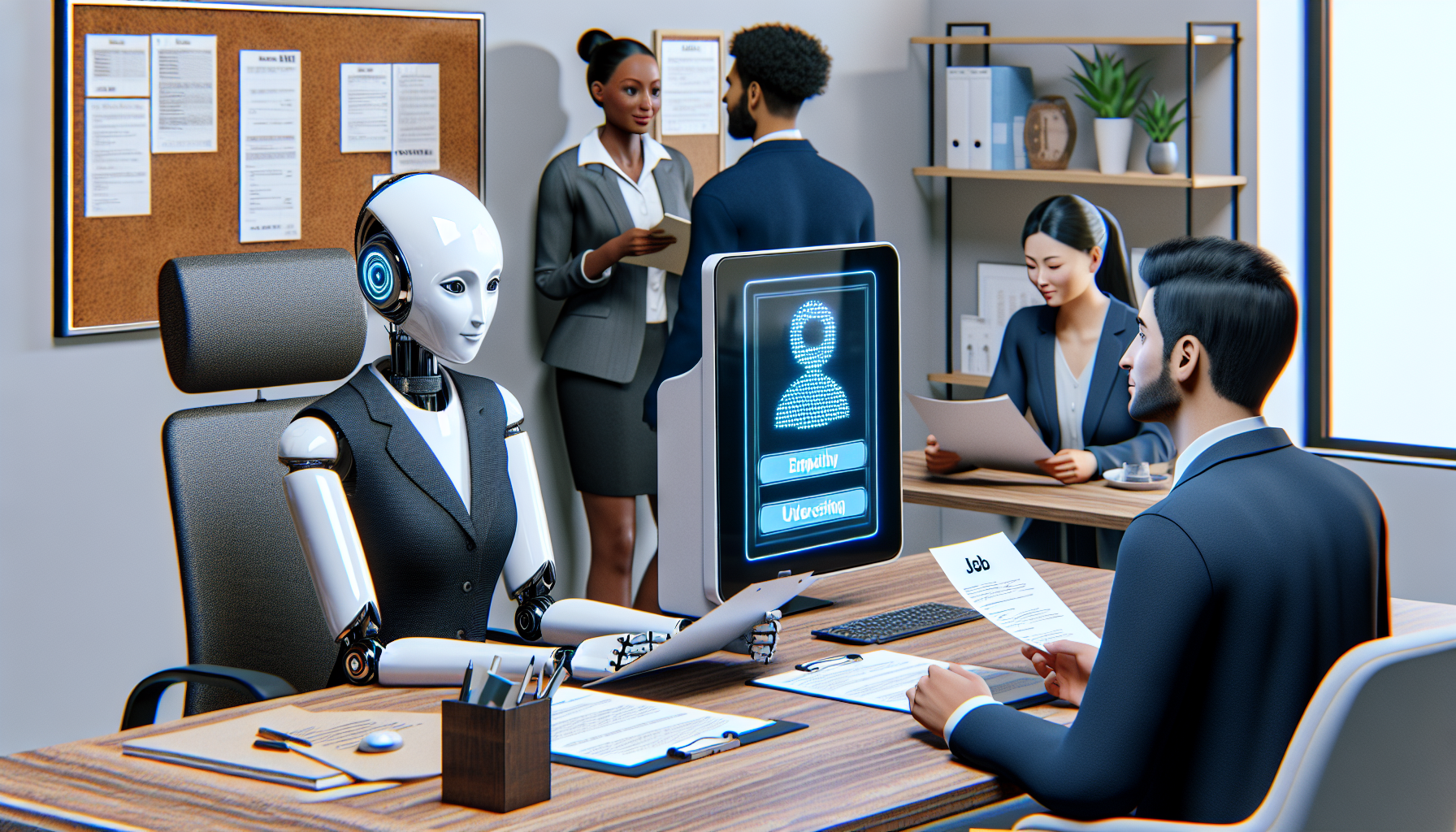
    Staffing industry analysts in the interview process

    The Importance of Candidate Experience in Staffing Amidst Talent Shortages

    In the staffing industry, the recruitment process is often the first point of contact between a candidate and a staffing agency, setting the tone for their perception and decision-making. A seamless candidate experience is vital in enhancing employer branding, reputation, and productivity, and it can significantly reduce the number of incomplete applications – all of which are critical for attracting job seekers in today’s competitive market.

    Improving the candidate journey is key to successful staffing. It leaves a lasting impression that fosters word-of-mouth promotion and bolsters the agency’s reputation across various industries.

    Employer Branding and Reputation

    The branding and reputation of your staffing agency are instrumental in attracting diverse talent. Engaging with potential candidates through social media and creating content that reflects your agency’s culture are effective ways to build a strong employer brand. Additionally, actively managing your online presence and responding to feedback is essential to maintain a positive image in the job market.

    Simplifying the Application Process

    A streamlined application process is crucial, particularly during talent shortages. Best practices include:

    • Providing clear instructions and guidance.

    • Gathering candidate feedback.

    • Prompt follow-up with applicants.

    • Utilizing technology to automate and simplify processes, allowing your team to focus on higher-value tasks.

    These practices enhance candidate satisfaction, minimize issues like ghosting, and increase recruitment efficiency through data utilization.

    Staffing industry and staffing firms using recruitment software in a highly competitive market

    Minimizing Ghosting and Incomplete Applications

    Ghosting is a prevalent challenge in recruitment. To tackle this, AI-Powered Staffing employs journey mapping, tracking each application and pinpointing areas where candidates drop off. This insight allows staffing agencies to refine their processes for a smoother application experience. Automation with decision logic can personalize interactions based on applicant behavior, send reminders for incomplete applications, and offer assistance as needed.

    Responsive Talent Acquisition

    The speed of response post-application submission is crucial. Engaging with candidates promptly can significantly increase the chances of advancing the recruitment process. Data shows that responding within 15 minutes makes it six times more likely to connect with candidates and initiate recruitment.

    Staffing agencies using AI-Powered Staffing can leverage systems to maintain a database of past applicants, ensuring they keep track of high-potential candidates for future roles and maintain engagement throughout the recruitment process. By creating a candidate funnel, agencies are well-prepared with viable candidates for new job opportunities as they arise.

    Staffing companies creating a positive candidate experience in the recruiting process

    Data-Driven Strategies for Enhancing Candidate Experience in Staffing

    The implementation of data-driven strategies is transformative in enhancing candidate experience and streamlining the staffing process. Utilizing strategies such as crafting impactful job ads, optimizing application procedures, and personalizing interview schedules is pivotal in a data-centric approach.

    Leveraging accurate data and analytics, data-driven staffing supports objective candidate selection and establishes a legally defendable recruitment process. AI-Powered Staffing employs a software named Hire Up Funnels, featuring built-in analytics to measure, track, and optimize recruitment cycles. This data is displayed on a daily dashboard, enabling companies to make informed decisions.

    Crafting Compelling Job Ads for Diverse Roles

    Creating job ads that resonate with a diverse range of candidates is crucial in the staffing industry. AI-Powered Staffing utilizes employer brand messaging based on psychological principles, allowing companies to craft ads that align with the values, motivations, and preferences of various roles. The focus is on creating ads that speak to candidates on a human level, avoiding technical jargon or generic descriptions. This method not only attracts qualified candidates but also builds a pool of applicants who align with the organization’s ethos, streamlining the hiring process for HR professionals.

    Optimizing the Application Process

    A seamless application experience is key to attracting top talent. Data-driven insights help identify and rectify inefficiencies, enhancing the likelihood of application completion. Implementing a Hybrid AI hiring system optimizes the application process, automating routine tasks and creating customized actions based on specific conditions, thus allowing HR teams to focus on more strategic aspects.

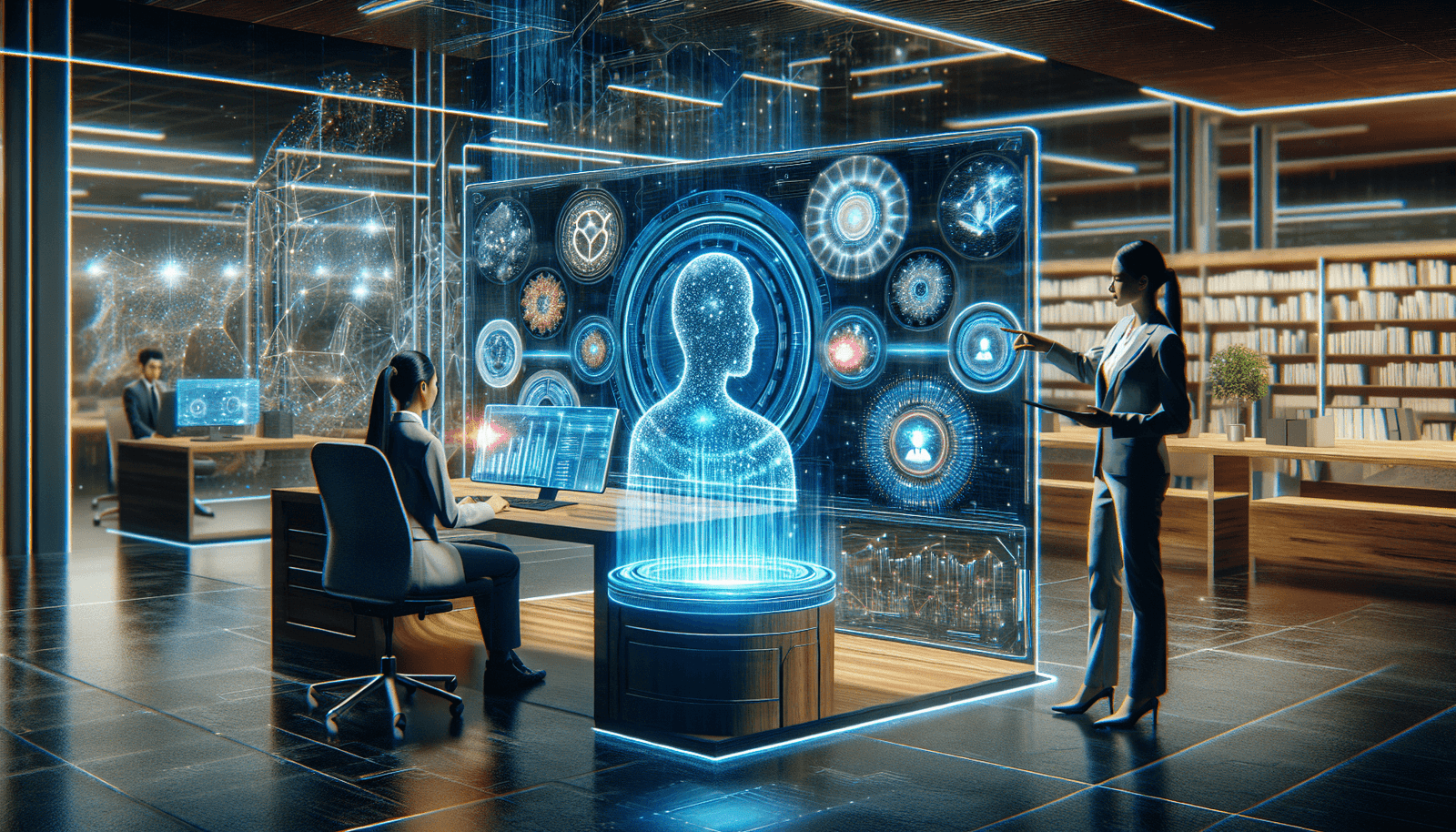
    Using artificial intelligence in the staffing industry forecast

    Personalizing Interview Scheduling and Communication

    Tailoring interview schedules and communication underscores a commitment to valuing candidates. Automating scheduling and employing an omnichannel communication system facilitates effective interactions between recruiters and candidates. This ensures accurate tracking of communication and keeps candidates informed about their application status. It also ensures adherence to best practices throughout the recruitment process, minimizing the chances of candidates falling through the cracks. This level of customization and efficiency not only enhances the candidate experience but also streamlines the selection process, benefitting both recruiters and candidates.

    Measuring Candidate Experience in Staffing with AI-Powered Staffing

    To continuously enhance the hiring process in the staffing industry, it’s vital to measure candidate experience using various methods. These include identifying bottlenecks, implementing omnichannel communication, utilizing a built-in accountability co-pilot, and tracking key performance indicators (KPIs). Leveraging data insights is crucial for pinpointing improvement areas and making informed decisions.

    Removing Bottlenecks and Frictions

    Addressing bottlenecks in the staffing process can significantly improve application experiences and expedite hiring decisions. Analyzing data such as applicant feedback, time to hire, and drop-off rates is essential for identifying inefficiencies. Streamlining processes and enhancing communication are key strategies for:

    • Eliminating bottlenecks.

    • Improving candidate experience.

    • Accelerating hiring decisions.

    • Boosting overall efficiency.

    Omnichannel Communication with Automation Technologies

    In staffing, omnichannel communication allows candidates to interact with recruiters through various platforms like email, text, phone, social media, and pixel retargeting. This ensures candidates receive timely updates and can easily communicate with the recruitment team, enhancing their experience and building trust. AI-Powered Staffing utilizes pixel retargeting to re-engage candidates who have abandoned applications, increasing the chances of conversion.

    Implementing omnichannel communication involves:

    • Offering multiple contact channels for candidates.

    • Ensuring these channels are user-friendly.

    • Guaranteeing timely responses from the recruitment team.

    Accountability Co-Pilot: Ensuring Prompt Follow-Up

    An accountability co-pilot ensures quick follow-up and maintains efficiency in the staffing process. It sets clear expectations for recruiters regarding timely communication and feedback to applicants. This system automatically tracks progress and reminds recruiters to engage with applicants, and alerts management if guidelines are not followed, allowing for immediate corrective action.

    The AI-Powered Staffing co-pilot proactively manages recruitment, ensuring that if a candidate is not contacted promptly, reminders are sent to recruiters. Repeated delays trigger notifications to management, safeguarding against potential candidate loss and demonstrating respect for applicants’ time.

    Tracking KPIs

    Monitoring KPIs related to the candidate journey is essential for identifying areas of improvement and evaluating the success of changes. Key indicators like time to hire, candidate satisfaction, and application drop-off rates provide valuable insights. Tracking these metrics helps organizations understand the effectiveness of their hiring process and guides them in optimizing for better results.

    Staffing industry talent acquisition strategies implemented by staffing industry analysts

    Implementing Changes in Staffing Based on Data Insights with AI-Powered Staffing

    In the staffing industry, implementing changes based on data insights is crucial for addressing bottlenecks, fostering a culture of continuous improvement, and creating predictable, repeatable results through automation and system integration.

    Using data-driven decision-making enhances the candidate experience, leads to more successful placements, and streamlines the recruitment process.

    Addressing Bottlenecks and Frictions

    Identifying and addressing bottlenecks in the staffing process leads to a smoother and more positive experience. Data insights reveal improvement areas, resulting in enhanced candidate experiences and more successful staffing outcomes.

    Fostering Continuous Improvement Based on Data Insights

    Cultivating a culture of continuous improvement, informed by data, ensures the staffing process constantly evolves to meet both candidate and organizational needs. Using data to identify areas for adjustment advances the candidate experience and optimizes staffing success.

    Creating Predictable and Repeatable Results

    Employing data-driven decision-making generates predictable and repeatable outcomes, improving hire quality and enhancing the overall candidate journey. It provides insights into recruitment trends, enabling recruiters to make informed decisions.

    Staffing companies can use applicant tracking system and job boards as part of a strategy to create a successful transformation

    Case Study: Successful Data-Driven Staffing Transformation

    Consider a case study in the staffing industry where a mid-sized agency faced challenges in attracting diverse talent. By adopting AI-Powered Staffing, they transformed their recruitment process, leading to better candidate matching and experience.

    The agency utilized data from AI-Powered Staffing to identify and improve weak areas in their recruitment. They focused on sources yielding high-caliber applicants, resulting in a more efficient process. Consequently, the agency experienced improved hire quality and an enhanced candidate experience.

    Summary

    Data-driven staffing is a potent tool for improving candidate experience and refining recruitment processes. Strategies like crafting impactful job ads, streamlining applications, and employing omnichannel communication significantly elevate the staffing journey. With data insights and a dedication to continual improvement, staffing processes can be revolutionized, benefiting both candidates and the agency. To discover how Hybrid AI can aid your staffing needs, explore AI-Powered Staffing.

    Questions about staffing services and industry growth

    Frequently Asked Questions

    1. What is candidate experience in staffing?

      • Candidate experience in staffing is the perception job seekers have of an agency’s recruitment and onboarding process, including their interactions from application to potential hiring or exit from the process.

    2. What is data-driven staffing?

      • Data-driven staffing involves using in-depth analytics and recruitment metrics to make informed hiring decisions, improving efficiency, reducing costs, and enhancing recruitment outcomes.

    3. Key factors influencing candidate experience in staffing?

      • Factors include employer branding, streamlined application processes, and effective communication strategies to minimize candidate drop-offs.

    4. Strategies for optimizing candidate experience using application source data?

      • Investing in high-quality applicant sources and ensuring data accuracy are crucial. This involves removing any discrepancies in the data and providing a seamless application experience.


  • Elevating Staffing Success: The Power of Data in Streamlining Recruitment Processes

    Elevating Staffing Success: The Power of Data in Streamlining Recruitment Processes

    Hiring managers and hiring teams maximizing efficiency using data driven recruitment staffing in the hiring process

    Imagine transforming your staffing agency’s hiring process to become more efficient and effective, ultimately improving the quality of candidates you place. Data-driven recruitment, leveraging the power of data and analytics, offers an innovative approach to achieve this goal. This method allows staffing firms to streamline their hiring processes, engage candidates, and make more informed placement decisions, finding the best matches for various roles across multiple industries.

    In this article, we’ll explore the concept of data-driven recruitment, its benefits, and effective implementation strategies. We’ll also delve into the importance of identifying relevant metrics, efficient data collection, and utilizing recruitment data to optimize placement processes. Additionally, we’ll tackle the challenges and limitations of this approach and suggest strategies to overcome them.

    Key Takeaways

    • Data-driven recruitment uses data and analytics to enhance the efficiency and effectiveness of staffing processes.

    • Staffing agencies can identify pertinent metrics, gather and analyze data efficiently, and act on this information to enhance placement success while reducing costs.

    • Integrating machine learning and AI into staffing processes is crucial for success in this domain, with a focus on continuous adaptation and improvement.

    • For staffing agencies, relevant metrics might include candidate job success rates, client satisfaction scores, and the efficiency of the placement process.

    What Is Data-Driven Recruitment, Anyway?

    Data-driven recruitment in the staffing industry involves using data and analytics to refine the talent acquisition process. This could include analyzing historical placement data or client feedback to improve future matches. Key technologies and tools include:

    • Automated workflow processes and omnichannel communication to streamline candidate engagement.

    • Employer brand messaging rooted in psychology, enabling candidates to feel valued and understood.

    • AI-Powered Staffing solutions providing real-time data and insights for continuous improvement.

    AI-Powered Staffing, combined with a recruitment and retention strategist as a fractional employee, can revolutionize the staffing process, ensuring a consistent flow and talent pool of qualified candidates.

    However, adopting data-driven recruitment strategies comes with challenges. In the staffing industry, this might involve adapting to diverse client needs and rapidly changing job market trends. Effective human resource management is crucial for a productive and efficient hiring process. With AI-Powered Staffing set up for maximum efficiency, and a fractional employee skilled in data interpretation, staffing agencies can refine their hiring strategies for greater effectiveness and client satisfaction.

    Hiring manager finding top talent using recruitment technology to reach the right candidate

    The Importance of Data-Driven Recruitment in Staffing

    Data-driven recruitment is a transformative approach that goes beyond being a mere buzzword. It’s instrumental in improving the quality of hires, streamlining the recruitment process, and talent acquisition team and reducing operational costs. By assessing metrics and refining recruitment channels, staffing agencies can accurately target and attract the most suitable candidates for various positions across multiple industries.

    Moreover, data-driven recruitment aids in optimizing websites for mobile use, a crucial aspect given the significant percentage of job seekers using mobile devices for job searches and applications. Treating candidates as customers throughout the recruitment process can help establish trust, convey professionalism, and enhance candidate satisfaction.

    Identifying Relevant Metrics

    Monitoring recruitment metrics is key to controlling costs and refining recruiting efforts. For staffing agencies, the quality of hire is paramount. Data-driven recruitment enables learning from past placements to enhance future decisions. It’s advisable to consult with senior leaders when determining crucial data for implementing data-driven recruitment strategies.

    Important metrics to track include:

    • Cost per hire

    • Time to hire

    • Quality of hire

    • Employee turnover

    • Total lifetime value of placements

    Focusing on these key performance indicators allows staffing agencies to make data-driven decisions to optimize their recruiting efforts, ultimately fostering a positive company culture, both within the agency and in client organizations.

    Efficient Data Collection

    Effective data collection is crucial for informed decision-making and recruitment process improvement. This includes sourcing candidates from specialized job boards and collecting data on niche requirements and performance metrics. Automated tools and AI can be utilized for efficient data collection.

    The benefits of effective data collection include enhanced decision-making, optimized recruitment processes, more employee referral programs and increased productivity. Accurate and consistent data collection enables staffing agencies to make more informed decisions about talent, improving the overall efficiency of the recruitment process.

    Analyzing and Acting on Recruitment Data

    Analysis of recruitment data should consider factors like time to hire, cost per hire, and quality of hire. Data can reveal areas for improvement in recruitment strategies and opportunities to streamline processes. Data-driven recruitment empowers staffing agencies to make more effective decisions, reduce recruitment costs further, and enhance the quality of hires.

    Techniques such as surveys, interviews, and online applications are useful for acquiring recruitment data. Efficient data collection and analysis involve automating processes, using technology to facilitate data collection, and implementing data analysis tools to identify trends. Effective data collection and analysis help staffing agencies optimize time and cost, and improve the accuracy of their data.

    Efficient Recruitment, Enabled by Data in Staffing

    Data-driven recruitment equips staffing agencies with enhanced decision-making capabilities, reduces time-to-hire, and bolsters overall efficiency. Utilizing applicant tracking systems, agencies can refine their recruitment process and pinpoint the best candidates for a variety of positions across different industries. Data-driven recruitment also increases efficiency by providing hiring managers with insights into the recruitment and interview processes, enabling informed decision-making and quicker hiring.

    In practical scenarios, data-driven recruitment allows staffing agencies to save time and resources by accurately targeting suitable talent for open positions. For instance, if an agency is sourcing a customer service representative, data-driven tools can help identify candidates with the necessary skills and experience, leading to more effective placements and a streamlined recruitment process.

    Building the Foundation, Adapting for Success

    A robust foundation for data-driven recruitment in staffing entails defining job requirements and setting performance metrics for analysis. This ensures that agencies can target and attract the most compatible candidates for their clients’ open positions, while also facilitating continuous improvement in their recruitment strategies.

    Adapting for success may include integrating machine learning and AI into the recruitment process, addressing challenges, and capitalizing on the strengths of data-driven and recruitment technology.

    Defining Job Requirements

    Accurately defining job requirements is essential in attracting suitable candidates for vacancies. These requirements typically include:

    • Job title

    • Job description

    • Job duties

    • Qualifications

    • Skills

    By clearly specifying job requirements, staffing agencies can optimize their recruitment processes and ensure the hiring of highly qualified candidates. Data-driven recruitment can be employed to identify the most interested candidates with relevant job requirements, which aids in creating targeted job postings and attracting the desired candidates.

    Performance Metrics and Analysis

    Performance metrics and analysis involve collecting and interpreting data to evaluate the effectiveness of recruitment strategies and identify areas for improvement. By monitoring key performance indicators like time to hire, cost per hire, and quality of hire, recruitment agencies can can track their progress and pinpoint areas needing enhancement.

    Regular monitoring of KPIs ensures the continuous refinement and success of recruitment strategies. Analyzing recruitment data helps agencies identify trends and patterns, guiding them to optimize their recruitment strategies for better efficiency and cost-effectiveness.

    AI in staffing goes way beyond the capability of an applicant tracking system, enhancing the recruitment process and finding the right candidate

    Integrating Machine Learning and AI into Recruitment

    Incorporating machine learning and AI into recruitment processes can significantly enhance the efficiency and effectiveness of data-driven hiring in staffing. Machine learning helps in recognizing patterns and making predictions from data, while AI can automate tasks and make informed predictions based on input data.

    Measuring Success: Key Performance Indicators

    Monitoring key performance indicators is vital for evaluating the success of data-driven recruitment strategies in staffing. Important KPIs include time to hire, cost per hire, quality of hire, and applicant satisfaction. These metrics fall into two categories: quantitative and qualitative. Quantitative KPIs measure numerical data, whereas qualitative KPIs assess subjective aspects.

    By setting and tracking KPIs, staffing agencies can:

    • Monitor progress

    • Identify improvement areas

    • Continually enhance recruitment strategies

    • Achieve their desired objectives

    This approach allows them to refine their recruitment processes, make more informed decisions, and lead to more successful placements and team achievements.

    The Power (and Limitations) of Data in Staffing

    Data-driven recruitment holds immense potential to transform the hiring process in the staffing industry, enhancing efficiency and elevating the quality of candidate placements. By leveraging data, staffing agencies can make more informed decisions about job positions, optimize their recruitment strategies, and ultimately, place the best candidates in appropriate roles.

    However, data-driven recruitment in staffing is not without limitations. Challenges such as the need for high-quality data and the risk of overlooking certain skills or experiences are common. Recognizing and addressing these limitations is crucial for the success of data-driven recruitment initiatives in staffing.

    AI Powered staffing is much more than candidate sourcing - it enhances the candidate experience and entire recruitment process

    Overcoming Challenges in Data-Driven Recruitment

    Implementing data-driven recruitment in staffing may present challenges like ensuring data quality, minimizing biases, and finding the right balance between human judgment and technological input. To tackle data quality issues, agencies should ensure that data is collected accurately and consistently.

    Achieving a balance between human and technological input is essential. Staffing agencies should combine human judgment and candidate experience with data-driven insights. By addressing these challenges, staffing agencies can successfully implement data-driven recruitment strategies and continuously optimize their own recruiting team hiring processes.

    Summary

    In summary, data-driven recruitment is a potent tool for staffing agencies, making the recruiting process more efficient and improving the quality of candidate placements. By identifying relevant metrics, collecting and analyzing data, and integrating machine learning and AI, staffing agencies can make more informed decisions and optimize their recruitment strategies.

    As with any technology, data-driven recruitment in staffing has its challenges and limitations. However, by addressing data quality issues and ensuring the right balance between human and technological input, staffing agencies can successfully implement data-driven recruitment strategies and continue to enhance their hiring processes. The future of recruitment in staffing lies in harnessing the power of data to make better, more informed decisions, with immense potential rewards for agencies that embrace this approach.

    Frequently Asked Questions

    1. What is data-driven talent acquisition in staffing? Data-driven talent acquisition in staffing is the process of making informed hiring decisions by leveraging data analytics to optimize the recruitment funnel, improve sources of hire, and target the right candidates, thereby reducing time-to-hire and enhancing the quality of placements.

    2. What are the 3 P’s of recruitment in staffing? In staffing, the three “P”s – purpose, process, and performance – involve defining recruitment goals, establishing effective recruitment processes, and measuring performance over time to achieve desired results. This includes aligning staffing strategies with client objectives, ensuring efficient placement processes, and tracking key metrics.

    3. What are the 4 major considerations in hiring decisions for staffing? The four major considerations in staffing hiring decisions include not settling for subpar candidates, using effective selection tools, maintaining consistency in the hiring process, and developing talent to meet client needs.

    4. What is the main goal of data-driven recruitment in staffing? The primary goal of data-driven recruitment in staffing is to enhance the efficiency and effectiveness of the placement process, resulting in better-qualified candidate matches, improved hire quality, and stronger retention rates.

  • Embracing Diversity and Overcoming Bias through AI in Recruitment

    Using artificial intelligence and ai recruiting software to promote diversity in hiring process

    In today’s corporate world, the pursuit of a diverse and inclusive workforce is not just a moral imperative but a strategic asset. However, the path to achieving this diversity is often hindered by unconscious biases that permeate traditional recruitment processes. Artificial Intelligence (AI) emerges as a groundbreaking solution, offering innovative strategies to foster diversity and mitigate biases, fundamentally transforming the talent acquisition landscape.

    The Perils of Unconscious Bias in Traditional Hiring

    Unconscious bias in recruitment is a subtle yet pervasive challenge. These biases, deeply ingrained in the human brain, can unconsciously influence hiring decisions, often to the detriment of underrepresented groups. Biases based on factors like race, gender, age, or disability can skew the hiring process, leading to a lack of diversity and limiting opportunities for qualified candidates. Addressing unconscious bias is not only a matter of fairness but also crucial for tapping into the full spectrum of talent and perspectives that a diverse workforce offers.

    AI in Recruitment: A Paradigm Shift

    The introduction of artificial intelligence in the recruitment process marks a paradigm shift. AI recruiting tools, powered by machine learning and advanced algorithms, provide an objective framework for evaluating candidates. These tools, including AI recruiting software, have the capability to analyze vast amounts of data, making informed and unbiased decisions about candidate suitability based on skills and qualifications, rather than subjective human judgments.

    Machine Learning: A Core of AI Recruitment

    Machine learning, a key component of ai in recruitment, enables systems to learn from data and improve over time. In recruitment, machine learning algorithms analyze job descriptions, candidate profiles, and performance data to identify patterns and predict job performance. This data-driven approach ensures that hiring decisions are based on empirical evidence rather than subjective opinions, significantly reducing the influence of unconscious biases.

    AI Tools: Ensuring Fairness and Diversity

    AI tools in recruitment offer various features to promote fairness:

    • Blind Screening: AI can anonymize applications by omitting names, photos, and other demographic information, ensuring candidates are evaluated solely on their qualifications.

    • Standardized Assessments: AI-driven assessments provide a consistent measure of candidate abilities, reducing the likelihood of biased evaluations.

    • Diversity Analytics: AI can analyze recruitment data to identify patterns of bias and recommend corrective actions, ensuring diverse representation in the recruitment pipeline.

    The Role of Unconscious Bias Training

    While AI tools significantly reduce bias, unconscious bias training for talent acquisition professionals remains vital. Such training programs, including implicit association tests, help recruiters recognize and address their own biases. This combination of AI tools and human awareness creates a more robust framework for fair recruitment.

    AI Recruiting Versus Human Intelligence

    The comparison between AI recruiting and human intelligence in recruitment is a nuanced one. AI provides an unbiased, data-driven approach, but it’s crucial to recognize the power of human intelligence in interpreting data and making final decisions. A balanced approach that leverages the efficiency of AI while retaining human oversight ensures a fair and effective recruitment process.

    Ethical Considerations in AI Recruiting

    The ethical implications of AI in recruitment cannot be overstated. Ensuring that AI recruiting tools are designed and used ethically is crucial. This includes regular audits to detect and correct any biases in AI algorithms and adherence to AI regulation to ensure ethical use.

    The Future of AI in Talent Acquisition

    Looking forward, the role of artificial intelligence in recruitment is set to expand further. Continuous advancements in machine learning and AI technologies promise more sophisticated and effective recruitment tools. However, this growth must be balanced with a commitment to ethical practices and continuous learning to ensure AI tools contribute positively to diversity and inclusivity goals.

    Conclusion: Embracing AI for a Diverse and Inclusive Future

    AI in recruitment is more than just a technological advancement; it is a catalyst for change in the pursuit of a more diverse and inclusive workforce. By leveraging AI recruiting tools and combining them with human insight and ethical considerations, businesses can significantly enhance their recruitment processes. The future of recruitment, underpinned by AI, promises a landscape where diversity and inclusivity are not just ideals but realities.

  • How AI can make your recruiting more efficient

    How AI can make your recruiting more efficient

    staffing ai

    Introduction

    Artificial intelligence (AI) has revolutionized numerous industries, and the recruitment sector is no exception. The integration of AI-powered tools into recruiting processes has become increasingly essential, enabling organizations to streamline their talent acquisition strategies, save valuable time, and ultimately secure the best candidates.

    The role of AI in the recruitment industry

    AI technology assists recruiters in automating repetitive tasks, analyzing data, and optimizing decision-making, leading to more efficient and effective hiring practices.

    The growing importance of AI-powered tools in optimizing recruiting processes

    As the competition for top talent intensifies, the adoption of AI-driven solutions in the recruitment sphere continues to grow, helping organizations stay ahead in the race for the best candidates and enhancing overall recruitment efficiency.

    What is AI for recruiting?

    Artificial Intelligence (AI) has been making waves in various industries, and the recruitment sector is no exception. In the context of recruitment, AI refers to the use of advanced algorithms, machine learning techniques, and natural language processing to automate, enhance, and streamline the recruitment process. By leveraging AI-powered tools and technologies, recruiters can improve their efficiency, make better hiring decisions, and create a more engaging experience for candidates.

    Definition of AI in the context of recruitment

    AI in recruiting is all about harnessing the power of intelligent algorithms to analyze large volumes of data and derive insights that can help recruiters make well-informed decisions. These algorithms can learn from patterns and trends in the data, enabling them to continuously improve their predictions and recommendations over time. In essence, AI-powered recruiting tools augment human intelligence, helping recruiters identify the best candidates, match them to relevant job openings, and streamline the entire hiring process.

    Overview of AI-powered recruiting tools and technologies

    There is a wide array of AI-powered recruiting tools available in the market, each designed to address specific pain points within the recruitment process. Some of these tools include:

    • Intelligent screening software: These tools use AI algorithms to automatically scan and analyze resumes, identifying the most qualified candidates based on job requirements and other relevant factors.
    • Recruiter chatbots: AI-powered chatbots can engage with candidates, answer their queries, and collect relevant information, enabling recruiters to focus on more strategic tasks.
    • Digitized interviews: Advanced video interviewing platforms use AI to assess candidates’ soft skills, body language, and other non-verbal cues, providing recruiters with valuable insights into a candidate’s suitability for a role.
    • AI-driven onboarding processes: These tools automate and personalize the onboarding process, ensuring new hires have a smooth transition into their new roles.

    By embracing AI-powered recruiting tools and technologies, recruiters can stay ahead of the curve and create a more efficient and effective hiring process.

    How AI can enhance efficiency in recruiting

    Artificial intelligence is revolutionizing the recruiting process, making it more efficient and effective for both recruiters and candidates. By automating high-volume tasks, improving the quality of hires, enhancing the candidate experience, and reducing unconscious bias, AI-powered tools streamline recruitment and ensure the best talent is sourced and hired.

    Saving recruiters’ time by automating high-volume tasks

    One of the most significant benefits of AI in recruiting is the automation of time-consuming tasks, allowing recruiters to focus on more strategic aspects of their roles. This includes:

    1. Candidate sourcing: AI-powered tools can automatically identify and engage with potential candidates, saving recruiters valuable time searching through resumes and reaching out to applicants.
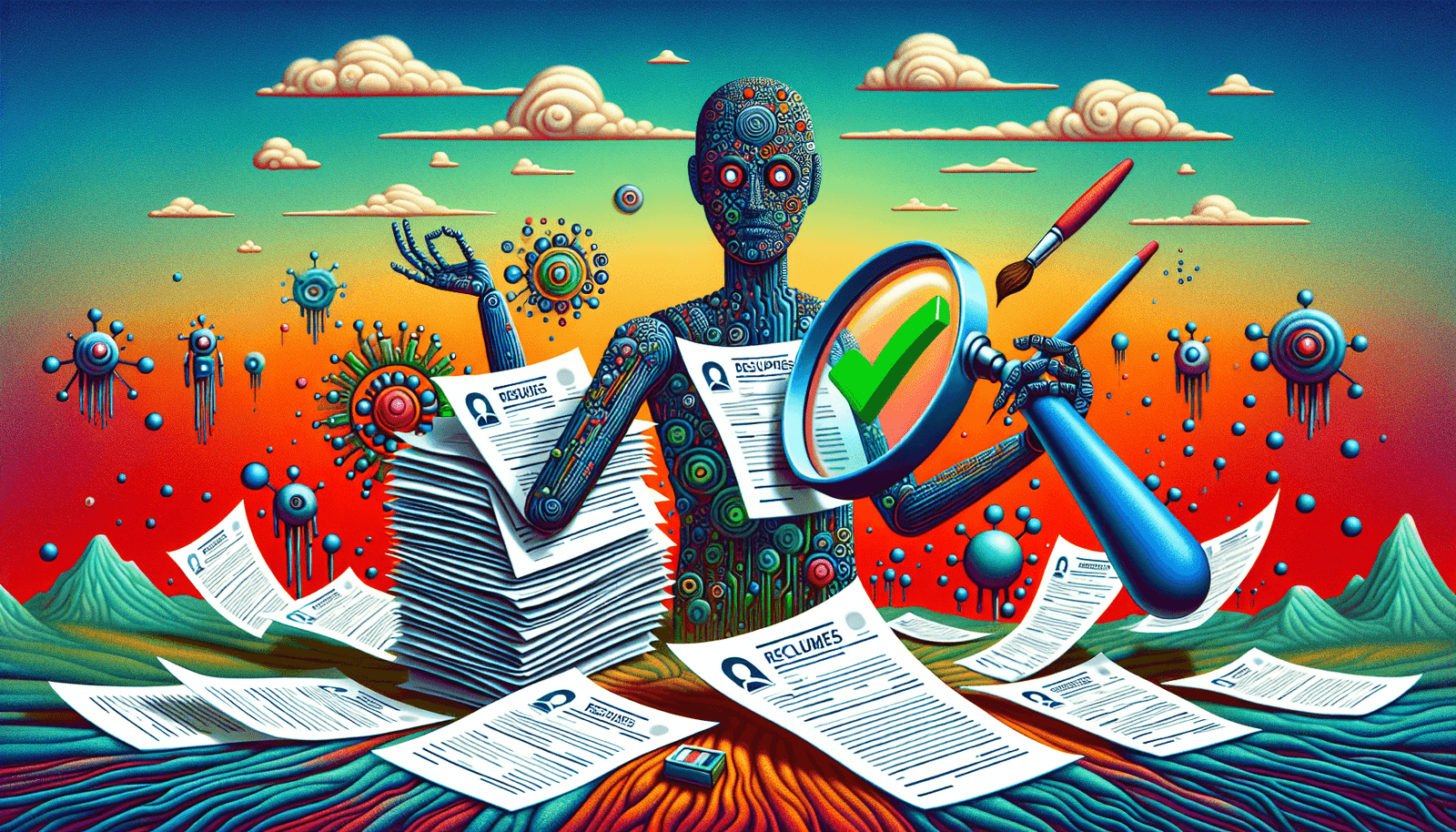
    2. Resume screening: AI algorithms can scan and analyze large volumes of resumes, quickly identifying the most suitable candidates based on pre-defined criteria, reducing the time spent on manual screening.
    3. Pre-qualifying candidates: By assessing candidate responses to pre-interview questions, AI can help recruiters pre-qualify applicants, ensuring only the most suitable candidates move forward in the recruitment process.

    Improving quality of hires through standardized job matching

    AI assists recruiters in making more informed hiring decisions by providing standardized job matching and data-driven insights, including:

    1. AI-assisted candidate assessment: Artificial intelligence can analyze candidate data, such as skills, experience, and education, to objectively rank and match them to job requirements, resulting in better-aligned hires.
    2. Data-driven insights for better decision making: By leveraging AI-generated insights, recruiters can make more informed decisions based on objective data, reducing the risk of hiring mismatches and improving overall hire quality.

    Enhancing the overall candidate experience

    AI-powered tools can also elevate the candidate experience, creating a more personalized and engaging recruitment process. This includes:

    1. Personalized engagement with candidates: AI algorithms can tailor communication with applicants, ensuring relevant information is shared, and candidates feel valued throughout the hiring process.
    2. AI-powered chatbots for better communication: Chatbots can answer candidate queries in real-time, providing immediate support and guidance, resulting in a more positive and streamlined experience for job seekers.

    Reducing unconscious bias in the recruitment process

    AI can help to minimize unconscious bias in recruitment by providing objective evaluations of candidates and promoting diversity and inclusion. This is achieved through:

    1. Objective evaluation of candidates: By relying on data-driven analysis, AI-powered tools can assess candidates based on their skills, experience, and potential rather than subjective factors, reducing the influence of personal biases.
    2. Ensuring a diverse and inclusive workforce: AI algorithms can be designed to promote diversity by identifying and prioritizing candidates from underrepresented groups, creating a more inclusive recruitment process.

    In summary, AI-powered tools and technologies are transforming the recruitment landscape, making it more efficient and effective for both recruiters and candidates. By embracing these advancements, companies can optimize their recruiting processes, ensuring they source and hire the best talent for their organization.

    Innovations in AI-Powered Recruiting Tools

    As the recruitment industry embraces AI technology, several innovative tools are emerging that offer significant improvements to the efficiency of the hiring process. These tools focus on streamlining various aspects of recruitment, from screening applicants to onboarding new hires. This section will explore four key innovations in AI-powered recruiting tools.

    Intelligent Screening Software

    Intelligent screening software leverages AI algorithms to automate the process of reviewing resumes and applicant profiles. By analyzing candidate data and comparing it to job requirements, these systems can quickly identify potential matches and rank candidates based on their suitability for the role. This not only saves recruiters time but also ensures that the most qualified candidates are considered for each position.

    Recruiter Chatbots

    AI-powered chatbots are transforming the way recruiters engage with candidates. These chatbots can answer questions, schedule interviews, and provide personalized updates on application status, making the recruitment process more convenient for both candidates and hiring professionals. By automating routine tasks, chatbots enable recruiters to focus on more strategic aspects of their job, such as building relationships with top talent and improving employer branding.

    Digitized Interviews

    AI technology is also changing the interview process, with digitized interviews becoming increasingly popular. By using AI to analyze video interviews, employers can gain insights into candidates’ communication skills, personality traits, and cultural fit. This objective evaluation ensures a more data-driven hiring decision and helps minimize the potential for human biases in the selection process.

    AI-Driven Onboarding Processes

    AI can also streamline the onboarding process for new hires, ensuring a smooth transition into their new roles. Through personalized learning paths, AI-driven onboarding tools can identify gaps in a new employee’s knowledge and recommend tailored training resources to address these needs. This targeted approach to onboarding helps new hires quickly become productive members of their teams while reducing the burden on HR and management.

    In conclusion, AI-powered recruiting tools are driving significant improvements in efficiency across the hiring process. As these innovations continue to evolve, they will play an increasingly important role in helping recruiters identify, engage, and onboard top talent for their organizations.

    Challenges of applying AI in recruiting

    While AI has the potential to make recruiting more efficient, it is important to address the challenges that may arise when implementing AI in the recruitment process. These challenges include data requirements for AI systems, the potential for AI to learn human biases, and skepticism around the adoption of new technology.

    Data requirements for AI systems

    AI-powered recruiting tools rely heavily on data to make accurate predictions and decisions. However, the effectiveness of these tools is directly proportional to the quality and quantity of data they have access to. Incomplete or biased data sets can hinder the performance of AI systems and may lead to flawed results. Therefore, it is crucial for organizations to invest in gathering comprehensive data and ensure that AI algorithms are trained on diverse and up-to-date information.

    Potential for AI to learn human biases

    One of the key benefits of AI in recruiting is its ability to reduce unconscious bias. However, AI systems may inadvertently learn and perpetuate human biases present in the data they are trained on. For instance, if an AI system is trained on resumes of predominantly male candidates for a specific role, it may develop a bias towards male applicants. To mitigate this risk, organizations must ensure that their AI systems are designed with fairness in mind and are continuously monitored for potential biases.

    Skepticism and adoption of new technology

    Despite the numerous benefits of AI-powered recruiting tools, some individuals may be skeptical about adopting new technology in their recruitment processes. This could be due to concerns over job displacement, mistrust of AI decision-making, or simply resistance to change. To overcome this challenge, organizations should focus on educating stakeholders about the value of AI in recruiting and highlight its role in complementing human expertise rather than replacing it. Additionally, organizations should implement AI solutions gradually, allowing recruiters to become familiar with the technology and gain confidence in its capabilities.

    How AI is Reshaping the Role of Recruiters

    The integration of AI in recruiting processes is significantly changing the role of recruiters. As AI-powered tools are automating repetitive tasks and offering valuable insights, recruiters are now able to focus on more strategic aspects of their job.

    Emphasis on Strategic Decision-Making and Relationship-Building

    With AI taking over time-consuming tasks such as candidate sourcing and resume screening, recruiters can now allocate their time and resources to more strategic decision-making. They can focus on identifying the best candidates, understanding their needs, and ensuring a perfect fit for the company. Furthermore, the automation provided by AI allows recruiters to build and maintain strong relationships with candidates, ultimately creating a positive candidate experience and improving the company’s brand reputation.

    Evolution of the Recruiter Skillset for the Future

    As AI continues to shape the recruiting landscape, the skillset required for recruiters is also evolving. The incorporation of AI technologies means that recruiters need to develop new skills to stay competitive in the industry. Some of these skills include data analysis, understanding and interpreting AI-generated insights, and staying updated on the latest AI-powered tools and their applications in recruiting. Moreover, recruiters need to enhance their communication and relationship-building skills to connect with candidates more effectively and ensure a smooth, personalized experience throughout the hiring process.

    In conclusion, the use of AI in recruiting is significantly transforming the role of recruiters. By automating repetitive tasks and providing valuable insights, AI is enabling recruiters to focus on strategic decision-making and relationship-building. As a result, recruiters must adapt to these changes and develop new skills to stay competitive in the ever-evolving recruitment landscape.

    Embrace AI-Driven Recruitment

    As AI continues to play a crucial role in modern recruitment, it’s essential to recognize its growing significance in driving efficiency. By automating repetitive tasks, improving the quality of hires, and enhancing candidate experiences, AI-powered tools are revolutionizing the recruitment landscape. To stay ahead in this competitive industry, consider integrating AI into your recruitment process. Explore the range of AI-powered solutions and insights offered by AI-Powered Staffing to transform your hiring strategies and achieve better outcomes.

  • The Staffing Evolution: How AI-Powered Solutions Are Changing the Game

    The Staffing Evolution: How AI-Powered Solutions Are Changing the Game

    Staffing firms and staffing companies can use ai powered tools and staffing solutions in the recruitment process

    A transformative shift is underway in the staffing world. The integration of Artificial Intelligence (AI) into staffing processes is the future of businesses worldwide. This transformation heralds a profound change that is redefining the staffing landscape. As the demand for top-tier talent grows across various industries, the benefits from AI integration are becoming increasingly significant.

    So, what are the Benefits of AI in Data-Driven Staffing and the Hiring Process?

    The utilization of AI in staffing has brought forth a myriad of productivity benefits that are reshaping staffing practices.

    1.) Efficiency

    Efficiency takes center stage as AI-powered tools streamline administrative tasks, allowing staffing professionals to focus on strategic aspects of recruiting and talent placement.

    In the staffing industry, which caters to a wide array of sectors from IT to healthcare, AI-powered staffing platforms can quickly sift through a large pool of applicants to find candidates with the specific certifications, experience, and availability needed for various roles, thereby speeding up the staffing process.

    2.) Cost Effective

    Cost-effectiveness is another advantage, as AI-driven staffing processes significantly increase productivity and reduce the time and resources required to identify suitable candidates. According to an article published on Retorio, businesses with mature integration of big data perform better, experiencing 30% higher stock market returns.

    From a cost perspective, the staffing sector often faces challenges in efficiently matching candidates to roles, leading to extended and expensive hiring cycles. AI-driven staffing can mitigate these costs by more accurately matching individuals with jobs that suit their needs and skills, reducing the likelihood of misplacement and turnover.

    3.) Potential Bias Reduction

    Bias reduction is a critical advantage, as AI algorithms are designed to make decisions based solely on relevant data and skills, minimizing the influence of unconscious bias. This ensures a fair and equitable evaluation of candidates, ultimately fostering diversity and inclusivity within organizations. For example, Capital One achieved a 13% increase in female hires by utilizing AI-powered staffing software.

    The staffing industry, like many others, can benefit from AI-driven technology to minimize biases by evaluating potential candidates based on their qualifications rather than personal attributes, thereby helping industries become more inclusive and diversified.

    4.) Access to the Untapped Market of Passive Job Seekers

    The passive job candidate market, much larger than the active job market, is often ignored and overlooked. AI staffing platforms can help businesses tap into this gold mine of both knowledge and potential candidates.

    In the staffing world, many qualified individuals are passive job seekers who are open to better opportunities but are not actively looking. AI staffing platforms can engage these individuals, who are often highly skilled but not active on job boards or recruitment agencies, leveraging their skills and experience for companies in need.

    5.) Faster Turnaround for Hiring Managers

    Staffing specialists wear many hats, and it can take a long time for them to process candidates quickly. An automated AI platform can help position your company to scoop in the best candidate and secure top candidates before they fall through the cracks and into the hands of your competitors.

    In the staffing industry, speed in hiring is often crucial to meet client demands. AI platforms can streamline the vetting and onboarding processes, allowing agencies to quickly place candidates and meet client deadlines, thereby staying ahead of the competition.

    6.) Enhanced Predictive Analytics in the Staffing Process

    AI will pave the way for collecting huge volumes of data to predict market outcomes for staffing managers. Not only can AI help your staffing department and more candidates stay ahead of job market shifts, but it can also give your candidates a snapshot of your company culture, giving them additional insight into whether or not they want the job.

    In the staffing industry, predictive analytics can forecast industry-specific trends, like demand surges in IT or healthcare, which could lead to more accurate staffing requirements for various roles. By analyzing data and anticipating these needs, agencies can preemptively recruit the right amount of specialized or general talent.

    7.) Enhanced Talent Pipeline

    Because of these many benefits, companies that use AI automation in staffing will develop talent funnels that are more than 2Xs stronger than the competition! With AI, staffing agencies can build a robust talent pipeline of certified and experienced professionals. This talent pool can be especially beneficial during peak business seasons or unexpected surges in demand, ensuring that client needs are seamlessly met.

    AI staffing solutions aim to enhance ai staffing efficiency in the recruiting process

    What are the Drawbacks of AI in Data-Driven Staffing?

    Alongside the advantages, it’s important to address the potential drawbacks of AI in staffing.

    1.) Possible Perpetuation of Bias

    One major concern is the perpetuation of bias within AI algorithms. Without careful design and calibration, algorithms can inadvertently amplify existing biases present in training data, resulting in biased staffing decisions. Staffing professionals will need to be aware of this possibility and take steps to mitigate this potential blind spot.

    2.) Soft Skills Evaluation

    Additionally, while AI excels at assessing hard skills, it often struggles to accurately evaluate the soft skills and cultural fit of new employees, which remain crucial for team dynamics and overall performance. Staffing professionals will need to be aware of this weakness and alter their processes to ensure that they are screening candidates more thoroughly in the areas the AI platform may miss.

    In the staffing industry, soft skills such as communication, problem-solving, and teamwork are incredibly vital, regardless of the sector. While AI can easily sort through qualifications and work histories, gauging a candidate’s ability to collaborate or adapt to different work environments is often beyond its capacity. Staffing agencies should thus supplement AI analyses with human evaluations for a well-rounded staffing process. AI-Powered Staffing is an example of a system that expertly combines artificial intelligence with human intelligence.

    3.) Shift in Competencies Needed to Perform in Staffing

    As AI evolves in the New World of Employment, the parameters of the skills needed to excel in staffing will change. Current staffing professionals need to stay abreast of all the challenges and changes to come and take steps to develop the skills that will be needed in the new wave of staffing work.

    AI powered tools help staffing companies and staffing firms find qualified candidates in the talent acquisition process

    What will be the Impact of AI on the Job Market and Staffing Industry?

    The ripple effects of AI in staffing extend beyond individual agencies. The job market will transform as AI-powered automation displaces certain traditional roles while creating new opportunities in AI-related fields. SkyQuest (a growth consulting firm) conducted a survey whose results estimate that the HR Tech Market will touch $35.68 billion by 2028!

    Staffing professionals must adapt to the evolving landscape by acquiring AI-related skills such as data analysis and algorithm development, illustrating the dynamic nature of the industry.

    Examples of Companies Using AI in Staffing

    Numerous staffing agencies and companies have successfully integrated AI into their staffing strategies. For example, a leading staffing agency leverages AI to assist candidates in their job search, offering tailored job recommendations based on their skills and preferences. A renowned multinational company relies on AI to improve the candidate experience by automating the scheduling of interviews and gathering candidate feedback. These examples highlight how AI can enhance both efficiency and candidate engagement in the staffing process.

    How will AI in Data-Driven Staffing Affect Employers?

    For employers, AI offers a transformative advantage in staffing. The screening and selection process becomes more efficient, yielding quicker and more precise candidate matches. AI’s data analysis capabilities allow organizations to identify the best candidates, with the right skills and attributes, contributing to business growth and success.

    1.) Workforce Planning

    AI’s predictive capabilities play a pivotal role in workforce planning. Organizations can forecast future hiring needs, pinpoint skills gaps, and create strategies for fostering a diverse and inclusive workforce. The integration of AI-driven insights enables a proactive and strategic approach to human resource management.

    2.) Recruitment Strategies

    Recruitment strategies evolve with AI’s insights. By analyzing vast amounts of data, AI tools can identify the most effective channels for both job offers and postings and target candidate demographics more accurately. This optimization results in higher-quality candidate pools and improved recruitment strategies.

    3.) Talent Acquisition

    AI revolutionizes talent acquisition by tapping into the passive candidate market, a realm often untapped. AI-powered staffing platforms proactively engage potential candidates, saving recruiters time and effort. This proactive approach ensures that top-tier talent is considered, even if they are not actively seeking new opportunities.

    How will AI in Data-Driven Staffing Affect Job Seekers?

    For job seekers, AI brings both benefits and concerns in the staffing industry. While AI expedites the hiring process and matches qualified candidates to suitable roles, there is a risk of bias within AI algorithms affecting candidate selection. Ensuring transparency in AI usage and refining algorithm design are crucial steps toward providing job seekers with equal opportunities.

    1.) Employee Selection

    AI’s role in employee selection extends beyond skill matching in staffing. It assesses candidates for cultural fit and alignment with potential employers, reducing the risk of a poor match between candidates and company values. AI also addresses biases that can creep into human decision-making, fostering fair and unbiased hiring practices.

    2.) Hiring

    The hiring process becomes more streamlined with AI in staffing. Administrative tasks, such as resume screening, can be automated, allowing staffing professionals to focus on meaningful interactions with candidates. This not only accelerates the hiring timeline but also contributes to a more positive candidate experience, improving the perception of the staffing process.

    How to Implement AI Automation in Staffing

    Implementing AI effectively in staffing requires a strategic approach. Companies should carefully select AI tools that align with their specific staffing needs. Ensuring data privacy and security throughout the staffing process is of paramount importance, safeguarding sensitive candidate information. While AI can augment decision-making, maintaining human oversight is crucial to address the limitations of machine learning and judgment and ensure a balance between automation and human intuition.

    What’s the Future for AI in Data-Driven Staffing?

    As technology evolves, the horizon of AI in staffing expands. Next-generation and futuristic AI technologies, such as augmented reality (AR) and chatbots, have the potential to redefine how staffing agencies engage with candidates. These technologies promise enhanced interactivity and accuracy, forging a new era of immersive staffing experiences.

    Evolutionary AI

    Evolutionary AI is poised to enhance the accuracy and fairness of candidate assessments in staffing. By analyzing extensive data and identifying nuanced patterns, evolutionary AI promises more comprehensive insights into candidates’ suitability, skills, and potential contributions to different roles. This evolution marks a significant step toward minimizing biases in staffing data and enhancing predictive accuracy.

    Futuristic AI

    AI has the potential to transform staffing into a more virtual and interactive experience. This type of immersive integration ensures a closer alignment between candidates and employers, leading to more informed and successful placements.

    In conclusion, the shift to AI in staffing is a game-changer that is revolutionizing data-driven staffing processes. With its ability to enhance efficiency, reduce bias, and reshape staffing strategies, AI is not merely a tool but a transformative force in the realm of human resources. As AI continues to evolve, its impact will ripple across industries, shaping the future of work and redefining how organizations attract and select top-tier talent.

    Resources and Tools for Learning More about AI in Staffing

    Staying informed is vital to effectively harness the power of AI in the staffing process. For those eager to delve deeper into the realm of AI-powered staffing, sign up for our newsletter to get the most accurate, updated information.

  • Future of Work: The Impact of AI on Staffing

    Future of Work: The Impact of AI on Staffing

    The future of staffing is undergoing a significant transformation due to the game-changing role of AI and advanced automation. Innovative technologies such as workflow automation, communication automation, and decision logic are reshaping the recruiting landscape. Embracing AI-powered recruitment is essential in today’s rapidly changing environment, as it separates forward-thinking companies from those falling behind. The global trend reveals that 36% of companies are already mastering AI and automation, setting industry leaders apart from laggards.

    The Changing Landscape of Recruitment and Retention

    As the HR and people operations industry evolves, new skill sets are required to excel in the ever-changing talent market. The approach to recruiting and retaining high-performing employees has shifted, presenting an opportunity to build a winning team with AI-Powered Staffing.

    The Role of AI and Advanced Automation in Reshaping Staffing

    AI-Powered Staffing is a user-friendly solution that streamlines recruitment processes, empowering teams without requiring technical expertise. This innovative system helps companies harness the power of AI and advanced automation to create hybrid approaches, ensuring adaptability and competitiveness in the market.

    The Importance of Embracing AI-Powered Recruitment in a Competitive Market

    Companies that embrace AI in recruitment and retention are better positioned to succeed in the era of AI-powered recruitment, where technology and human intelligence blend seamlessly. The time for AI is now, and adopting AI-Powered Staffing can help organizations secure a team of committed high-performing employees for the long term.

    Hiring managers can use ai recruiting tools to create job descriptions that will resonate with job seekers and potential candidates

    Streamlining Recruitment with AI-Powered Tools

    AI-Powered Staffing is a user-friendly solution that streamlines recruitment processes, empowering teams without requiring technical expertise. It utilizes innovative technologies, such as:

    • HireUp Funnels: These tools help guide candidates through the recruitment process in an organized and efficient manner.

    • Workflow automation: This feature simplifies complex business processes, allowing recruiters to focus on building relationships with candidates.

    • Communication automation: AI-driven messaging engages candidates in new, more personal ways, appealing to their human nature and enticing them to consider job offers.

    • Decision logic: This technology ensures that best practices are followed, leading to improved candidate experiences and better recruitment outcomes.

    Enhancing Candidate Experience with AI-Driven Messaging

    AI-driven messaging is crucial for engaging candidates in new, more personal ways. By delivering employer branding and recruitment messages through multiple communication channels such as phone calls, text messages, emails, social media, video, and AI chatbots, candidate engagement is increased. This approach is essential because candidates have short attention spans, and delivering messages through multiple channels increases engagement. AI chatbots play a crucial role in the process, automating applications and interview scheduling, enhancing candidate interaction, and converting more candidates.

    Using Data-Driven Recruitment Optimization for Better Outcomes

    AI-powered data analysis measures outcomes and fine-tunes technology, improving employer branding and recruitment messaging. This approach aims to attract more candidates and hire high-performing employees, transforming recruitment into an online experience focused on guiding the right candidates to the right job, enhancing their long-term value to the organization.

    By embracing AI-Powered Staffing, companies can adapt to the rapidly changing talent market, differentiate themselves from competitors, and harness the power of AI and advanced automation to create hybrid approaches. The time for AI is now, and adopting AI-Powered Staffing can help organizations secure a team of committed high-performing employees.

    Winning companies use the best ai recruiting tools and ai recruiting software in their hiring process

    Winning vs. Losing Companies in the AI-Driven Staffing Landscape

    As AI-powered recruitment reshapes the staffing landscape, companies must adapt and embrace these innovations to stay competitive. The distinction between winning and losing companies lies in their approach to recruitment and their ability to leverage AI and advanced automation effectively.

    Key Characteristics of Winning Companies

    Companies that excel in the era of AI-driven staffing have several traits in common:

    • Employee-centric mindset: These organizations prioritize treating employees as their most valuable asset.

    • Leveraging AI and automation in recruitment: They harness cutting-edge systems like AI-Powered Staffing to streamline processes and empower their teams without requiring technical expertise.

    • An authentic employer brand: Winning companies create a strong and genuine employer brand to attract the right candidates based on their fit with the company’s culture and values.

    • Data-driven recruitment strategies: These organizations use AI-powered data analysis to measure outcomes, fine-tune technology, and improve their employer brand and recruitment messaging.

    • A focus on the employee life cycle: Successful companies concentrate on the entire employee journey, from recruitment to onboarding, and beyond, ensuring long-term satisfaction and retention.

    Pitfalls of Losing Companies

    Companies that struggle in the AI-driven staffing landscape often make critical mistakes, such as:

    • Relying on outdated recruitment techniques: Losing companies refuse to adapt, treating recruitment as a transaction and failing to prioritize the right job-to-candidate match.

    • Lack of an authentic employer brand or recruitment message: These organizations struggle to attract top talent due to a weak or nonexistent employer brand.

    • Failure to prioritize the right job-to-candidate match: Companies that focus solely on wages or selling the job miss out on the benefits of finding candidates who are a good fit for the position and the company culture.

    By embracing a different approach to recruitment, powered by AI and advanced automation, companies can differentiate themselves from competitors, secure a team of committed high-performing employees for the long term, and ultimately emerge as winners in the AI-driven staffing landscape.

    Hiring managers who use ai recruiting software tools to reach job applicants should reduce friction and bottlenecks

    Addressing Friction and Bottlenecks in the Recruitment Process

    When it comes to the recruitment process, technology-related obstacles can have a significant impact on both candidates and employers. In this section, we will explore the challenges of friction and bottlenecks in the recruitment process, and discuss strategies for overcoming these obstacles to improve overall recruitment outcomes.

    Understanding the Impact of Technology-Related Obstacles

    Friction and bottlenecks in the recruitment process can create barriers for candidates, making it more difficult for them to apply for a job or progress through the hiring journey. These challenges can be caused by a variety of factors, such as cumbersome application processes, mandatory fields, and complex forms. Ultimately, these obstacles can discourage high-performing individuals from pursuing job opportunities, leading to missed opportunities for companies looking to hire top talent.

    Overcoming Bottlenecks and Friction

    There are two main strategies for addressing friction and bottlenecks in the recruitment process:

    • Increase Value: Enhancing the value proposition offered to candidates can help to overcome challenges during their interaction with the technology. For example, if a job opportunity pays significantly higher than competing positions, candidates may be more willing to tolerate technology-related obstacles in the recruitment process.

    • Streamlining the Candidate Journey: Simplifying the candidate journey through the technology interface can help to eliminate bottlenecks and streamline the recruitment process. This can be achieved by requesting less information upfront and utilizing mini-applications that reduce the complexity of the application process.

    By adopting these strategies, organizations can either enhance the value of their job offerings or streamline the candidate’s technology experience, ultimately leading to improved recruitment outcomes.

    Recruiting teams and hiring teams can use candidate data to improve job boards on job sites

    AI-Powered Staffing: A Comprehensive Solution for Modern Staffing

    AI-Powered Staffing is an innovative solution that streamlines recruitment processes and empowers teams without requiring technical expertise. It consists of a three-part framework for AI-powered recruitment and retention, including Hire Up Funnels, Employer Brand Messaging, and AI Data-Driven Recruitment.

    The Three-Part Framework for AI-Powered Recruitment and Retention

    • Hire Up Funnels: Harnesses automation and communication channels to build a database of qualified candidates while providing a predictable and tech-skill-free solution.

    • Employer Brand Messaging: Leverages your company’s authenticity to attract the right candidates based on their fit with your culture and values.

    • AI Data-Driven Recruitment: Offers advanced analytics for tracking, optimizing, and scaling your recruitment efforts efficiently.

    Key Features and Benefits of AI-Powered Staffing

    AI-Powered Staffing is designed with a variety of key features and benefits to help your organization excel in the modern staffing landscape.

    • Workflow process automation: Simplifies complex business processes, allowing recruiters to focus on building relationships with candidates.

    • Communication automation: Streamlines repetitive tasks and engages with candidates on autopilot across various communication channels.

    • Accountability CoPilot: Ensures your recruitment process stays on track and everyone follows the right procedures, using decision logic to monitor team performance.

    • AI data-driven recruitment: Utilizes built-in analytics to measure, track, and optimize your recruitment process for better results.

    By adopting AI-Powered Staffing, companies can efficiently navigate the challenges of the modern talent market, differentiate themselves from competitors, and harness the power of AI and advanced automation to create hybrid approaches.

    A talent acquisition team using ai recruiting tools to reach potential candidates and job applicants enhances recruiting efforts

    Time to Embrace the AI-Powered Future

    As the future of work continues to evolve, the importance of embracing AI in staffing becomes increasingly apparent. By adapting to the changing talent market and staying competitive with AI-powered tools like AI-Powered Staffing, companies can revolutionize the staffing industry and create better outcomes for both employers and candidates alike. The time for AI is now, and with the right tools and strategies in place, organizations can secure a team of committed high-performing employees for the long term. Don’t miss the opportunity to lead in the era of AI-powered recruitment and retention. Join the revolution and harness the power of AI to transform your staffing processes and achieve lasting success.

  • Reducing Time-to-Hire: How AI is Accelerating the Recruitment Process

    Reducing Time-to-Hire: How AI is Accelerating the Recruitment Process

    time to hire

    Introduction

    Reducing time-to-hire is crucial in the recruitment process as it allows companies to quickly fill open positions and improve overall efficiency. One way to accelerate the recruitment process is by leveraging AI technology. AI-Powered Staffing focuses on harnessing AI technology to expedite hiring.

    AI technology can streamline and automate various aspects of recruitment, saving time and effort for recruiters. By utilizing AI algorithms, recruiters can swiftly identify and match suitable candidates for job openings. These algorithms analyze resumes and job descriptions to identify the best matches based on skills, experience, and qualifications.

    Additionally, AI-powered chatbots can handle initial candidate screening and answer frequently asked questions, reducing the time recruiters spend on repetitive tasks. AI can also assist in scheduling interviews, sending automated reminders, and collecting feedback from hiring managers.

    By leveraging AI in recruitment, companies can significantly reduce time-to-hire, resulting in faster hiring processes and improved productivity.

    How AI is Transforming the Recruitment Process

    Artificial Intelligence (AI) has revolutionized various industries, and recruitment is no exception. By leveraging AI technology, businesses can automate and streamline the hiring process, leading to improved efficiency and reduced bias. In this section, we will explore the various ways AI is transforming recruitment and the benefits it brings.

    Resume Screening

    One of the key applications of AI in recruitment is resume screening. Traditional manual screening of resumes can be time-consuming and subjective. AI-powered resume screening algorithms can analyze resumes and job descriptions to identify the best matches based on skills, experience, and qualifications. This not only saves time for recruiters but also ensures that qualified candidates are not overlooked.

    Candidate Sourcing

    Candidate sourcing is another area where AI is making a significant impact. AI algorithms can search through vast databases and online platforms to find potential candidates based on specific criteria. This eliminates the need for manual searching and allows recruiters to access a larger pool of candidates quickly.

    Chatbots

    Chatbots have also emerged as valuable tools in the initial screening process. AI-powered chatbots can handle initial candidate interactions, answer frequently asked questions, and collect basic information. This reduces the time spent by recruiters on repetitive tasks and allows them to focus on more critical aspects of the hiring process.

    Predictive Analytics

    Predictive analytics is another powerful application of AI in recruitment. By analyzing historical data and candidate profiles, AI algorithms can predict the likelihood of a candidate’s success in a particular role. This helps recruiters make informed decisions and increases the chances of hiring the right candidate.

    Automation in Hiring Process

    The use of AI extends beyond the initial stages of recruitment. AI can assist in scheduling interviews, sending automated reminders, and collecting feedback from hiring managers. These automated processes save time and effort for recruiters and ensure a smooth and efficient hiring experience.

    Benefits of AI in Recruitment

    The benefits of using AI in recruitment are significant. Improved efficiency leads to a reduced time-to-hire, allowing companies to fill positions faster and maintain productivity. By automating repetitive tasks, AI frees up recruiters’ time to focus on building relationships with candidates and conducting more meaningful interviews. Additionally, AI helps reduce bias in the hiring process by focusing on objective criteria rather than subjective judgments.

    Conclusion

    In conclusion, AI is transforming the recruitment process by automating and streamlining various aspects of hiring. From resume screening to candidate sourcing, chatbots, and predictive analytics, AI brings numerous benefits to the recruitment industry. By embracing AI technology, businesses can improve efficiency, reduce bias, and ultimately hire the best candidates for their organizations.

    Automating Resume Screening and Candidate Sourcing

    With the advancements in AI technology, the recruitment process has become more efficient and streamlined. AI algorithms can now analyze resumes and job descriptions to identify the best matches based on skills, experience, and qualifications. This automated resume screening and candidate sourcing process saves valuable time for recruiters and hiring managers.

    One of the biggest benefits of AI-powered automation is its ability to handle large volumes of resumes. Traditionally, recruiters would spend hours manually reviewing each resume, which can be time-consuming and prone to human error. AI algorithms, on the other hand, can quickly scan and analyze thousands of resumes in a matter of minutes, identifying qualified candidates efficiently.

    Automated resume screening and candidate sourcing not only saves time but also improves the quality of candidate selection. AI algorithms can identify candidates who possess the specific skills and qualifications required for a job, ensuring that recruiters focus their attention on the most suitable candidates. This reduces the chances of overlooking qualified individuals and increases the likelihood of finding the perfect match for a job opening.

    Furthermore, AI-powered chatbots can handle initial candidate screening and answer frequently asked questions. This not only saves recruiters time spent on repetitive tasks but also provides candidates with immediate responses, enhancing their experience with the hiring process.

    Another time-saving feature of AI in recruitment is its ability to assist in scheduling interviews. AI algorithms can analyze the availability of both candidates and hiring managers, finding the most suitable time slots and sending automated reminders. This reduces the back-and-forth communication between recruiters and candidates, allowing for a more efficient interview process.

    By automating various aspects of the recruitment process, companies can significantly reduce the time-to-hire. This means that positions can be filled faster, improving overall efficiency and productivity. Additionally, by leveraging AI, companies can access a larger pool of candidates and identify higher-quality individuals who may have otherwise been overlooked.

    In conclusion, the use of AI algorithms in automating resume screening and candidate sourcing brings numerous benefits to the recruitment process. It saves time for recruiters, improves the quality of candidate selection, and allows companies to fill positions faster. AI-powered automation is revolutionizing recruitment, making it more efficient, effective, and accessible for both recruiters and candidates.

    Streamlining the Interview Process with AI

    In today’s competitive job market, it’s essential for companies to streamline their interview process to attract and hire top talent efficiently. With advancements in artificial intelligence (AI), recruiters can leverage technology to automate various aspects of the interview process, saving time and effort.

    AI can assist in scheduling interviews, sending automated reminders, and collecting feedback from hiring managers. This automated interview scheduling not only saves recruiters’ time but also ensures that all parties involved in the hiring process are well-informed and prepared. By automating these tasks, recruiters can focus on other crucial aspects of the recruitment process, such as candidate evaluation and engagement.

    Efficient interviewing processes play a vital role in reducing time-to-hire. When recruiters are able to streamline the interview process through AI-powered tools, they can quickly identify and match suitable candidates for job openings. AI algorithms can analyze resumes and job descriptions to identify the best matches based on skills, experience, and qualifications. This data-driven approach helps recruiters make informed decisions and shortlist candidates who are the best fit for the position.

    Additionally, AI-powered chatbots can handle initial candidate screening and answer frequently asked questions. This reduces the time spent by recruiters on repetitive tasks and allows them to focus on more complex aspects of the hiring process. Candidates also benefit from the quick response and personalized experience provided by AI chatbots, enhancing their overall experience with the company.

    By streamlining the interview process with AI, companies can significantly reduce their time-to-hire. This means that positions can be filled faster, allowing businesses to operate at full capacity sooner. This efficiency not only saves time and resources but also improves overall productivity and competitiveness in the market.

    Enhancing the Candidate Experience with AI

    AI technology has revolutionized the recruitment process by streamlining and automating various aspects of hiring. One area where AI has made a significant impact is in enhancing the candidate experience. With the help of AI-powered chatbots, initial candidate screening can be handled efficiently, and frequently asked questions can be answered promptly.

    Chatbots provide a seamless and personalized experience for candidates by simulating human-like conversations. They can engage with candidates in real-time, understand their queries, and provide relevant information. This not only saves time for recruiters but also ensures that candidates receive timely and accurate responses.

    One of the key benefits of using AI in candidate screening is improved communication and responsiveness. Chatbots can engage with candidates 24/7, providing them with instant feedback and updates on their application status. This eliminates the frustration of waiting for a response and enhances the overall candidate experience.

    AI algorithms can analyze resumes and job descriptions to identify the best matches based on skills, experience, and qualifications. By automating the initial screening process, AI-powered chatbots can help recruiters focus on evaluating the most suitable candidates for further stages of the recruitment process.

    Furthermore, AI can assist in scheduling interviews, sending automated reminders, and collecting feedback from hiring managers. This eliminates the need for manual coordination and ensures a smooth and efficient interview process.

    The use of AI in recruitment significantly reduces the time-to-hire, allowing companies to fill positions faster and improve overall efficiency. Candidates no longer have to wait for weeks to receive a response or go through multiple rounds of interviews. AI-powered chatbots ensure a streamlined and timely hiring process, which greatly enhances the candidate experience.

    In conclusion, AI technology has transformed the candidate experience by providing personalized and efficient interactions. Chatbots have revolutionized initial candidate screening and improved communication throughout the recruitment process. By leveraging AI, companies can enhance the candidate experience, reduce time-to-hire, and ultimately attract and retain top talent.

    Stay tuned for our next blog post, where we will explore the impact of AI on reducing bias in the recruitment process.

    Analyzing and Implementing Strategies Using Data

    In today’s competitive job market, reducing time-to-hire is crucial for businesses looking to attract and retain top talent. One effective way to achieve this is through data analysis. By analyzing recruitment funnel metrics and leveraging AI technology, companies can identify areas for improvement and make informed hiring decisions.

    Data analysis plays a vital role in streamlining the recruitment process. By tracking and analyzing metrics such as the number of applicants, screening and interview conversion rates, and time-to-fill, recruiters can gain valuable insights into their hiring process. AI algorithms can assist in this analysis, quickly identifying patterns and trends that may not be apparent to human recruiters.

    One of the key benefits of leveraging data in the hiring process is the ability to make informed decisions. By analyzing data, recruiters can identify the most effective sourcing channels, determine which job descriptions attract the most qualified candidates, and even predict which candidates are more likely to accept job offers. This data-driven approach enables recruiters to focus their efforts on strategies that yield the best results, ultimately reducing time-to-hire.

    AI technology plays a crucial role in data analysis for recruitment. AI-powered chatbots can handle initial candidate screening, asking relevant questions and assessing candidates’ qualifications. This saves recruiters time and effort, allowing them to focus on evaluating the most promising candidates. AI algorithms can also analyze resumes and job descriptions, matching candidates with the required skills and qualifications.

    Furthermore, AI technology can assist in scheduling interviews and sending automated reminders, ensuring that the recruitment process moves forward smoothly. This eliminates the need for manual coordination and reduces the risk of scheduling conflicts. AI can also collect feedback from hiring managers, providing valuable insights into the suitability of candidates.

    By implementing data-driven strategies, companies can significantly reduce their time-to-hire. The use of AI technology in data analysis and decision-making enables recruiters to streamline the recruitment process, identify the most qualified candidates, and make informed hiring decisions. Ultimately, this leads to faster hiring and improved overall efficiency for businesses.

    In conclusion, data analysis and the use of AI in recruitment are essential for reducing time-to-hire. By leveraging data and AI algorithms, recruiters can identify areas for improvement, make informed decisions, and streamline the recruitment process. This ultimately leads to faster hiring and improved efficiency for businesses.

    Conclusion

    AI technology has revolutionized the recruitment process, offering numerous benefits for companies looking to accelerate their hiring efforts. By leveraging AI-powered solutions, businesses can significantly reduce their time-to-hire, ultimately improving their overall efficiency.

    One of the key advantages of using AI in recruitment is the ability to streamline and automate various aspects of the hiring process. AI algorithms can quickly analyze resumes and job descriptions, identifying the best matches based on skills, experience, and qualifications. This not only saves time for recruiters but also ensures that suitable candidates are identified promptly.

    Additionally, AI-powered chatbots can handle initial candidate screening and answer frequently asked questions, reducing the time spent by recruiters on repetitive tasks. These chatbots can provide a seamless and efficient candidate experience, while also freeing up valuable time for recruiters to focus on more strategic activities.

    AI technology can also assist in scheduling interviews, sending automated reminders, and collecting feedback from hiring managers. This automation ensures that the recruitment process progresses smoothly and eliminates potential delays caused by manual coordination.

    By reducing the time-to-hire, companies can fill positions faster and avoid losing out on top talent. This is particularly crucial in today’s competitive job market, where candidates are often exploring multiple opportunities simultaneously. The ability to make quick hiring decisions can give businesses a competitive edge and help them secure the best candidates for their open positions.

    In conclusion, AI-powered solutions offer immense value in accelerating the recruitment process. By leveraging AI technology, companies can streamline their hiring efforts, reduce time-to-hire, and improve overall efficiency. For more information and solutions to optimize your recruitment process, we encourage you to explore AI-Powered Staffing. Discover how AI can transform your recruitment strategy and help you achieve your hiring goals.

    CTA (Call to Action)

    Looking to streamline your recruitment process and reduce time-to-hire? Visit AI-Powered Staffing’s website for more information and resources. Explore the AI-Powered Staffing blog and contact page for further insights.

    For more information, visit:

  • Boost Your Agency’s Efficiency with AI Staffing

    Boost Your Agency’s Efficiency with AI Staffing

    Boost Your Agency’s Efficiency with AI Staffing

    efficiency

    Efficiency is the cornerstone of a successful staffing agency, and artificial intelligence (AI) provides a powerful tool for streamlining operations. By leveraging AI staffing solutions, your agency can automate repetitive tasks, improve candidate evaluation, and stay competitive in an ever-evolving job market. Discover how embracing AI technology can revolutionize your staffing data services and drive growth for your agency.

    Introduction

    Artificial Intelligence (AI) staffing has been making waves in the staffing industry, transforming the way agencies operate and deliver results. By leveraging AI-powered solutions, staffing agencies can unlock numerous benefits that boost their overall efficiency. In this blog, we aim to explore the various ways AI staffing can help agencies enhance their operations and stay ahead of the curve in a rapidly evolving market.

    The Power of AI in Staffing Data Services

    In today’s fast-paced and data-driven world, staffing agencies must handle large volumes of data to efficiently meet the demands of their clients. The role of AI in staffing data services is crucial in managing and processing this data, enabling agencies to make better, data-driven decisions. By analyzing vast quantities of information, AI can identify patterns and trends that may otherwise go unnoticed. This helps agencies fine-tune their strategies and optimize their processes for maximum efficiency.

    For instance, AI algorithms can sift through countless resumes and candidate profiles, identifying the most suitable matches based on skills, experience, and other relevant factors. This not only saves time and resources but also ensures that staffing agencies can provide their clients with the best possible candidates for their needs.

    Furthermore, AI can help agencies make data-driven decisions by analyzing market trends, salary data, and industry-specific insights. By leveraging AI-powered data analysis, agencies can gain a competitive edge and stay ahead of the curve in a rapidly evolving job market. This ultimately leads to better outcomes for both agencies and their clients, ensuring that they are well-prepared for the challenges and opportunities that lie ahead.

    Streamlining the Recruitment Process

    One of the most significant advantages of AI staffing solutions is their ability to automate repetitive tasks, which can greatly streamline the recruitment process. By automating tasks like resume screening, candidate matching, and interview scheduling, agencies can not only save time but also ensure a more consistent and efficient approach to talent acquisition.

    The benefits of automating these tasks are manifold. For one, it reduces the likelihood of human error, which can lead to missed opportunities or poor hiring decisions. Secondly, it frees up recruiters to focus on more strategic and value-adding activities, such as building relationships with clients and candidates or devising innovative recruitment strategies.

    By leveraging AI to save time and resources in the recruitment process, staffing agencies can significantly enhance their overall efficiency and improve the quality of their services. This, in turn, can lead to better outcomes for both agencies and their clients, as well as a more satisfying experience for job seekers.

    Leveraging AI for Improved Candidate Evaluation

    Artificial Intelligence has the potential to significantly improve the accuracy and speed of candidate evaluation in the staffing process. By utilizing advanced algorithms and machine learning techniques, AI can analyze large volumes of data, including candidate qualifications and job requirements, to identify the best match between a candidate and a job opening.

    One of the key benefits of using AI for assessing candidate qualifications and job fit is the ability to process data faster and more accurately than traditional manual methods. This allows agencies to quickly narrow down their pool of candidates, ensuring that they present only the most suitable individuals to their clients. This efficiency not only saves time but also reduces the likelihood of errors in the evaluation process.

    The potential impact of AI on hiring outcomes is significant. With a more accurate and efficient evaluation process, agencies can ensure that their clients receive the best possible candidates for their open positions. This, in turn, can lead to better job placements, higher client satisfaction, and ultimately, a more successful staffing agency.

    Expanding the Candidate Pool with AI

    One of the most significant advantages of AI staffing solutions is their ability to help agencies access a larger pool of qualified candidates. By leveraging AI algorithms, agencies can efficiently search and parse candidate profiles from various sources, such as job boards, social media platforms, and professional networks.

    AI can analyze and match candidates based on their skills, experience, and other relevant attributes, ensuring that the agency’s clients have access to the best possible talent. This is particularly beneficial in today’s competitive job market, where finding the right candidate can be a time-consuming and challenging process.

    With an expanded candidate pool, agency clients can benefit from a wider range of qualified professionals, leading to better hiring outcomes and improved workforce diversity. Additionally, an AI-powered system can continuously learn and improve its performance, ensuring that the quality of candidates remains consistently high.

    Adopting AI staffing solutions can significantly expand the candidate pool for agencies, leading to numerous benefits for their clients. By embracing this cutting-edge technology, agencies can stay ahead of the curve and continue to deliver exceptional value to their clients in an increasingly competitive job market.

    Enhancing Customer Satisfaction with AI-Powered Chatbots

    In today’s fast-paced staffing industry, AI-powered chatbots have emerged as a valuable tool for staffing agencies. These intelligent virtual assistants can provide instant support to both candidates and clients, allowing agencies to address their needs promptly and efficiently.

    Chatbots can handle a range of tasks, such as answering frequently asked questions, guiding users through the application process, and even scheduling interviews. By automating these tasks, staffing agencies can free up their human resources to focus on more complex and strategic activities. This not only enhances the overall efficiency of the agency but also contributes to a more satisfying customer experience.

    The potential impact of chatbots on customer satisfaction cannot be overstated. As candidates and clients receive timely and accurate information, their trust in the agency grows, leading to stronger relationships and higher levels of satisfaction. Furthermore, by providing round-the-clock support, chatbots enable staffing agencies to cater to the needs of their diverse clientele across different time zones, ensuring that no query goes unanswered.

    Incorporating AI-powered chatbots into the staffing process can greatly enhance customer satisfaction by offering instant support and streamlining various tasks. By embracing this innovative technology, staffing agencies can not only improve their efficiency but also build stronger relationships with their candidates and clients.

    Staying Competitive with AI Staffing Solutions

    As the job market continues to evolve rapidly, it is crucial for staffing agencies to stay competitive. AI staffing solutions offer a valuable edge in this fast-paced environment. By embracing AI staffing technology, agencies can not only navigate the changing landscape but also foster growth and innovation.

    One of the key advantages of integrating AI into staffing processes is the ability to adapt quickly to market changes. AI-powered systems can analyze trends and identify emerging patterns in the job market, enabling agencies to stay ahead of the curve and better serve their clients. This level of responsiveness is essential to maintaining a competitive advantage in the industry.

    Additionally, AI staffing technology fosters agency growth by streamlining operations and improving efficiency. Automating time-consuming tasks, such as resume screening and candidate matching, frees up resources and allows agencies to focus on other aspects of their business. This increased productivity can lead to more opportunities for expansion and a stronger foothold in the market.

    Lastly, embracing AI staffing solutions demonstrates a commitment to innovation within the staffing industry. By adopting cutting-edge technology, agencies signal their dedication to staying current and delivering the best possible service to clients and candidates. This focus on innovation is essential for maintaining a competitive edge and positioning the agency as a forward-thinking leader in the field.

    AI staffing solutions offer staffing agencies a powerful tool for staying competitive in a rapidly evolving job market. By embracing this technology, agencies can foster growth, streamline operations, and demonstrate their commitment to innovation in the staffing industry.

    Cost Savings and Increased Productivity

    Implementing AI staffing solutions offers the potential for significant cost savings for agencies. By automating repetitive tasks and streamlining the recruitment process, agencies can reduce the time and resources spent on manual work, which in turn lowers operational costs. Additionally, AI-powered tools can help minimize errors, further contributing to the overall cost efficiency.

    Increased productivity is another major benefit of AI staffing technology. With AI taking over time-consuming tasks, agencies can focus on more strategic initiatives and client relations. This heightened efficiency ultimately leads to better service for clients, as well as improved outcomes for both the agency and its candidates.

    Investing in AI staffing technology is not just about immediate cost savings and productivity boosts; it also represents a long-term value proposition. As the job market continues to evolve and competition among staffing agencies intensifies, those that adopt AI solutions will be better equipped to stay ahead of the curve and maintain a competitive edge. By embracing AI technology, agencies can demonstrate their commitment to innovation and future-proof their operations for long-term success.

    Conclusion

    In summary, AI staffing solutions have the potential to significantly boost the efficiency of staffing agencies. By automating repetitive tasks, streamlining the recruitment process, and improving the accuracy of candidate evaluations, AI-powered tools can save time and resources, and ultimately lead to better hiring outcomes. As the staffing industry continues to evolve, it is crucial for agencies to stay ahead of the curve and embrace innovative technologies.

    Implementing AI staffing solutions can not only enhance the agency’s operations but also demonstrate a commitment to innovation and staying competitive in the market. Agencies that adopt AI-powered staffing solutions can benefit from cost savings, increased productivity, and a more expansive pool of qualified candidates to match with their clients. Therefore, agencies should not hesitate to explore the potential of AI staffing tools in order to improve their operations and maintain a competitive edge in the industry.

    Explore AI Staffing Solutions

    Throughout this blog, we have discussed how AI-powered staffing can significantly boost your agency’s efficiency. By implementing AI staffing solutions, you can streamline the recruitment process, automate repetitive tasks, access a larger pool of qualified candidates, and make data-driven decisions. With enhanced customer satisfaction and staying competitive in the rapidly evolving job market, embracing AI staffing technology is crucial to your agency’s success. To learn more about AI-Powered Staffing solutions and stay updated with the latest trends, visit the AI-Powered Staffing website and explore the informative articles on the AI-Powered Staffing Blog .

  • How AI Recruiting Software is Transforming Talent Acquisition

    How AI Recruiting Software is Transforming Talent Acquisition

    I. Introduction

    AI Recruiting Software

    A. The growing role of artificial intelligence in talent acquisition

    Artificial intelligence (AI) is revolutionizing the talent acquisition landscape by automating time-consuming tasks and enhancing decision-making processes. Its capabilities extend to every stage of recruitment, from candidate sourcing to onboarding, transforming the way organizations attract and retain top talent.

    B. The impact of AI recruiting software on traditional recruitment processes

    AI-powered recruiting software is redefining traditional recruitment processes by streamlining workflows, improving candidate engagement, and reducing bias in hiring decisions. It offers a more efficient and data-driven approach, enabling organizations to make smarter hiring choices and create a diverse, high-performing workforce.

    How AI Enhances Talent Acquisition

    Artificial intelligence is revolutionizing the way organizations approach talent acquisition. By streamlining the hiring process, analyzing data and predictive analytics, and improving hiring accuracy while reducing bias, AI recruiting software is transforming the way businesses find and retain top talent.

    Streamlining the Hiring Process

    AI-powered recruitment software enables organizations to automate repetitive tasks and integrate with existing HR systems, leading to a more efficient and effective hiring process. With AI, mundane tasks like resume screening and initial candidate outreach can be handled by intelligent algorithms, allowing HR professionals to focus on more strategic and high-value activities.

    Analyzing Data and Predictive Analytics

    Data analysis and predictive analytics play a crucial role in talent acquisition. By using AI tools, companies can forecast their hiring needs and identify the best candidates based on historical data. This helps HR teams prioritize their resources and find the right talent for the right roles, ultimately leading to more successful hiring outcomes.

    Improving Hiring Accuracy and Reducing Bias

    One of the most significant benefits of AI in talent acquisition is its ability to focus on skills and qualifications, rather than demographic information, which can lead to unconscious bias in the recruitment process. AI algorithms can analyze candidate data objectively, mitigating the influence of demographics and emphasizing the factors that truly matter in determining a candidate’s fit for a role. This results in more accurate hiring decisions and a more diverse and inclusive workforce.

    III. The Benefits of AI-Powered Staffing Solutions

    AI-powered staffing solutions offer several significant benefits that transform the talent acquisition process. These benefits span across various aspects of recruitment, including speeding up the process, enhancing the candidate experience, and reducing costs.

    A. Speeding up the Recruitment Process

    One of the primary benefits of AI recruiting software is its ability to accelerate the recruitment process. AI-powered tools can automate time-consuming tasks, such as:

    • Resume screening: Advanced algorithms can quickly and efficiently screen resumes, identifying the most relevant candidates based on skills, qualifications, and experience.
    • Initial candidate outreach: AI-driven solutions can automate the initial outreach to potential candidates, sending personalized messages and scheduling interviews, thereby reducing manual efforts and saving time.

    B. Enhancing the Candidate Experience

    AI-powered staffing solutions also improve the candidate experience throughout the recruitment process. Some ways in which AI enhances the experience include:

    • Chatbots: AI-driven chatbots can provide immediate responses to candidate inquiries and offer assistance throughout the application process, resulting in a more responsive and engaging experience.
    • Personalized communication and engagement: AI recruiting software can tailor communication based on a candidate’s profile and preferences, resulting in a more personalized and relevant interaction.

    C. Reducing Costs

    Lastly, AI-powered staffing solutions can help reduce costs associated with talent acquisition. This is achieved through:

    • Efficient onboarding processes: AI tools can streamline and automate onboarding tasks, reducing the time and resources required to onboard new hires, ultimately lowering costs.
    • Better talent retention: By identifying the best-fit candidates and ensuring a positive candidate experience, AI-powered staffing solutions can improve talent retention, reducing the need for costly and time-consuming replacement hires.

    In summary, AI recruiting software offers numerous benefits that can transform talent acquisition. By speeding up the recruitment process, enhancing the candidate experience, and reducing costs, AI-powered staffing solutions can revolutionize the way businesses approach talent acquisition and management.

    IV. Case Studies: Companies Using AI for Talent Acquisition

    Several prominent companies have recognized the transformative impact of AI recruiting software on talent acquisition and incorporated these technologies into their hiring processes. Let’s explore how Amazon, LinkedIn, and Southwest Airlines have successfully utilized AI for talent acquisition.

    A. Amazon

    Amazon, a global e-commerce giant, has embraced AI to streamline its talent acquisition process. The company developed an AI-driven tool to automate resume screening and identify top candidates based on their skills and experience. By leveraging machine learning and natural language processing, Amazon’s AI tool can quickly analyze a vast number of resumes, reducing the time and effort required for manual review. This efficiency enables the company to focus on engaging and interviewing the most suitable candidates, ultimately improving the quality of hires.

    B. LinkedIn

    LinkedIn, the world’s largest professional networking site, has incorporated AI into its talent acquisition strategy to offer a more personalized experience for both job seekers and employers. Through the use of AI algorithms, LinkedIn can analyze users’ profiles, skills, and job preferences to recommend relevant job opportunities and potential candidates for employers. The platform also uses AI to identify passive candidates who may not be actively seeking new opportunities but are well-suited for specific roles. This targeted approach allows LinkedIn to connect employers with the right talent, making the recruitment process more efficient and effective.

    C. Southwest Airlines

    Southwest Airlines, a major US airline, has adopted AI-powered tools to enhance its talent acquisition process. The company uses AI-driven software to screen applicants, assess their skills, and predict their job performance. This data-driven approach not only saves time but also helps to minimize hiring biases. By incorporating AI into its talent acquisition strategy, Southwest Airlines can make more informed hiring decisions, leading to better employee retention and overall success.

    In conclusion, these case studies demonstrate the transformative potential of AI recruiting software in talent acquisition. By leveraging AI, companies like Amazon, LinkedIn, and Southwest Airlines have streamlined their hiring processes, reduced biases, and improved the quality of their hires. As AI technology continues to advance, more organizations are likely to adopt AI-powered staffing solutions to remain competitive in the talent market.

    V. Potential Challenges Facing AI Talent Acquisition

    While AI recruiting software has the potential to transform talent acquisition, it is essential to address several challenges that may arise during its implementation. Ensuring data privacy and security is a top priority, as the software handles sensitive candidate information. Organizations need to adhere to relevant data protection regulations and implement robust security measures to prevent unauthorized access and data breaches.

    Another challenge lies in addressing potential biases in AI algorithms. Although AI-powered tools aim to reduce unconscious bias in hiring decisions, the algorithms can sometimes reinforce existing biases if they are trained on biased data. To counteract this, organizations must actively work towards eliminating biased data sources and regularly auditing their AI systems to ensure fairness and diversity in their talent acquisition process.

    Maintaining human involvement and oversight in the recruitment process is crucial, even with the increasing use of AI. Despite the efficiency and speed that AI brings to talent acquisition, human intuition and expertise cannot be replaced entirely. Striking the right balance between AI automation and human judgment is vital for a successful and ethical talent acquisition process.

    VI. The Future of AI Talent Acquisition

    As we look towards the future of AI in talent acquisition, two key trends will shape the industry: continuous improvement and innovation in AI technologies and the growing role of AI in strategic talent management. These advancements will result in more efficient and effective recruitment processes, as well as a more strategic approach to talent acquisition that ensures companies find the best-fit candidates for their needs.

    A. Continuous Improvement and Innovation in AI Technologies

    AI technologies are constantly evolving, with new algorithms and capabilities being developed to enhance the recruitment process. This continuous improvement will lead to even more powerful AI recruiting software, capable of handling increasingly complex tasks and providing deeper insights into candidates’ skills and qualifications. As a result, businesses can expect AI-powered recruiting tools to become even more indispensable in the future, driving further transformation in the talent acquisition landscape.

    B. The Growing Role of AI in Strategic Talent Management

    As AI recruiting software becomes more advanced, its role in strategic talent management will also expand. AI technologies can help businesses not only identify top candidates but also analyze workforce trends and predict future hiring needs. By integrating AI into strategic talent management, businesses can better align their recruitment efforts with their overall business goals, ensuring they have the right talent in place to drive growth and innovation. In this way, the future of AI talent acquisition promises to be not only transformative but also integral to the long-term success of businesses across industries.

    Final Thoughts

    As we have seen throughout this discussion, the transformative impact of AI recruiting software on talent acquisition cannot be overstated. By streamlining the hiring process, improving hiring accuracy, reducing bias, and enhancing the candidate experience, AI-powered staffing solutions have the potential to revolutionize the way businesses recruit and retain top talent.

    It is essential for businesses to recognize the value of these advanced technologies and explore the opportunities they offer. Adopting AI-powered staffing solutions can not only help companies stay ahead in a competitive job market but also enable them to build a more diverse, skilled, and engaged workforce. By embracing the power of AI in talent acquisition, businesses can pave the way for a more efficient and effective recruitment process, ultimately driving their growth and success in the long run.

    Discover AI Recruiting Potential

    AI recruiting software is revolutionizing talent acquisition with its ability to automate tasks, reduce bias, and enhance candidate experience. As we have explored, it offers a plethora of benefits, including speeding up the recruitment process, improving hiring accuracy, and reducing costs. If you’re intrigued by the transformative impact of AI recruiting software on talent acquisition, we encourage you to delve deeper into this innovative technology and its potential for your own organization. Share your experiences with AI in talent acquisition and join the conversation on the future of recruitment.

  • Maximize Your Hiring Success with AI-Powered Staffing

    Maximize Your Hiring Success with AI-Powered Staffing

    Maximize Your Hiring Success with AI-Powered Staffing

    AI-Powered Staffing

    Finding the right talent is crucial for business success, but traditional recruitment processes can be time-consuming and resource-intensive. The rise of artificial intelligence (AI) in recruitment has transformed the way companies source and hire candidates. AI-powered staffing solutions streamline the hiring process, improving efficiency and accuracy while reducing bias and costs. By incorporating AI into your recruitment strategy, you can optimize your talent acquisition and ensure your organization stays competitive in today’s fast-paced business environment.

    Understanding AI-Powered Staffing

    AI-powered staffing involves using artificial intelligence (AI) to streamline and enhance the recruitment process. By automating certain tasks and assisting in decision-making, AI has the potential to revolutionize the way companies hire talent. In this section, we’ll define AI in recruitment, explore how it’s changing the hiring process, and discuss the role of machine learning and natural language processing in AI-powered staffing.

    Defining AI in Recruitment

    AI in recruitment refers to the use of advanced technology, algorithms, and data analysis to optimize the hiring process. AI-powered tools can help recruiters and hiring managers make more informed decisions, reduce unconscious bias, and improve the overall efficiency of talent acquisition. By leveraging AI, companies can find better matches for open positions and create a more positive experience for job seekers.

    How AI is Revolutionizing the Hiring Process

    AI has the potential to significantly transform the hiring process by automating time-consuming tasks, analyzing data to predict candidate success, and providing a more personalized experience for job seekers. For instance, AI can help with candidate sourcing by scanning resumes for specific keywords and qualifications, enabling recruiters to quickly identify potential matches for open positions. Additionally, AI can assist in scheduling interviews, providing real-time feedback on candidate performance, and even predicting which candidates are most likely to be successful in a particular role.

    Machine Learning and Natural Language Processing in AI-Powered Staffing

    Machine learning and natural language processing are two key technologies that underpin AI-powered staffing. Machine learning allows AI systems to learn from data and improve their performance over time. In the context of recruitment, machine learning can be used to analyze patterns in candidate data, such as their skills, experience, and education, to identify strong matches for open positions.

    Natural language processing, on the other hand, enables AI systems to understand and interpret human language. This is particularly useful in recruitment when analyzing candidate resumes, job descriptions, and other text-based data. By understanding the nuances of language and context, AI-powered staffing tools can more accurately identify relevant candidates and help recruiters make better hiring decisions.

    Overall, AI-powered staffing has the potential to significantly enhance the recruitment process, making it more efficient, accurate, and candidate-focused. By leveraging the power of AI, companies can improve their talent acquisition strategies and hire the best candidates for their organization.

    Benefits of AI-Powered Staffing

    The integration of AI-powered staffing in recruitment processes offers numerous advantages to businesses. These benefits not only streamline the hiring process but also ensure an improved quality of hire, making it a valuable investment for organizations looking to stay ahead in the talent acquisition game.

    Improved Quality of Hire

    One of the primary benefits of AI-powered staffing is its ability to improve the quality of hire. By using machine learning algorithms to analyze large volumes of data, AI can identify patterns and trends to find the best candidates for specific job roles. This results in a more accurate match between the candidate and the position, ultimately leading to increased job satisfaction and reduced turnover rates.

    Reduced Time to Hire

    AI-powered staffing solutions greatly reduce the time it takes to hire a suitable candidate. By automating various time-consuming tasks, such as resume screening and interview scheduling, recruiters can focus on more strategic aspects of the hiring process. This increased efficiency allows organizations to find the right talent quickly, giving them a competitive edge in the job market.

    Enhanced Candidate Experience

    AI-powered staffing can also enhance the overall candidate experience during the recruitment process. Candidates appreciate a smooth, efficient, and personalized hiring journey. AI can facilitate this by providing timely updates, personalized messages, and relevant job recommendations, making the entire recruitment process more engaging and satisfying for the candidates.

    Automation of Tedious Manual Tasks

    By automating repetitive and time-consuming tasks, AI-powered staffing solutions free up valuable time for recruiters and hiring managers. This allows them to focus on more strategic activities, such as building relationships with candidates and optimizing the overall recruitment process. Automation also reduces the risk of human error and ensures a more consistent approach to candidate evaluation.

    Cost-effective Hiring

    Implementing AI-powered staffing can lead to significant cost savings for organizations. By streamlining the hiring process and reducing the time spent on manual tasks, businesses can lower their overall recruitment costs. Additionally, improving the quality of hire can result in reduced employee turnover rates, leading to further cost savings in the long run.

    Optimization of the Recruitment Process

    AI-powered staffing can optimize the entire recruitment process by identifying inefficiencies and providing actionable insights for improvement. This enables organizations to continuously refine their hiring strategies and processes, resulting in a more efficient and effective talent acquisition system.

    Integrating AI into Your Hiring Process

    To successfully maximize your hiring success with AI-powered staffing, it is essential to integrate AI into your recruitment process effectively. Following these steps can help you achieve a seamless transition:

    Conduct a Comprehensive Assessment of Current Recruitment Practices

    Begin by examining your existing recruitment process and identifying its strengths and weaknesses. A thorough assessment will allow you to pinpoint areas that could benefit from AI integration and ensure you are leveraging AI technology where it will have the most significant impact on your hiring success.

    Identify Areas That Can Be Optimized with AI

    Once you have a clear understanding of your current recruitment practices, determine which aspects of the process could be improved with AI. For example, AI can enhance candidate sourcing, screening, and matching, as well as improve engagement and communication with potential hires. By identifying these areas, you can focus your AI implementation on aspects that will yield the greatest returns.

    Choose the Right AI Tools and Platforms

    With numerous AI tools and platforms available in the market, it is crucial to select the ones that best fit your recruitment needs. Research and compare different AI solutions based on their features, capabilities, and customer reviews. This will help you make an informed decision and ensure that the chosen tools align with your hiring goals and requirements.

    Implement Thorough Testing and Evaluation

    Before fully integrating AI into your recruitment process, conduct extensive testing and evaluation of the chosen tools and platforms. This will help you identify any issues or gaps in the AI technology and ensure that it is functioning optimally before being deployed across your entire hiring process.

    Provide Comprehensive Training for Recruiters and Hiring Managers

    Lastly, it is essential to provide in-depth training for your recruitment team to effectively utilize the AI-powered tools and platforms. This includes understanding the technology, learning how to navigate the various features, and being able to interpret the insights generated by the AI. By ensuring your recruiters and hiring managers are well-equipped to use AI in their daily tasks, you can maximize the benefits of AI-powered staffing and enhance your overall hiring success.

    Challenges and Ethical Considerations of AI in Recruitment

    While AI-powered staffing offers numerous benefits, it also presents certain challenges and ethical considerations that businesses must address to ensure a fair and effective recruitment process.

    Bias in AI algorithms

    One major concern is the potential for bias in AI algorithms. Since AI systems are trained on historical data, they may inadvertently learn and perpetuate biases present in the data. To minimize this risk, organizations should be vigilant in selecting diverse and unbiased datasets for training AI models. Furthermore, regular audits and evaluations of the AI system’s performance can help identify and address any instances of bias.

    Data privacy and security

    Another challenge is ensuring data privacy and security. As AI-powered staffing systems process a large volume of personal and sensitive candidate information, businesses must implement robust measures to protect this data from unauthorized access, breaches, and misuse. Compliance with data protection regulations, such as the General Data Protection Regulation (GDPR), should be a priority for organizations using AI in recruitment.

    Human intervention in AI-powered staffing

    The importance of human intervention in AI-powered staffing cannot be overstated. While AI can streamline and improve various aspects of the hiring process, human judgment and expertise remain essential in making the final decision. Recruiters and hiring managers should work in tandem with AI systems, leveraging the insights and efficiencies offered by the technology while also applying their own knowledge and understanding of the organization’s unique needs and culture.

    Compliance with regulations

    Lastly, businesses must ensure that their AI-powered staffing practices comply with relevant regulations and guidelines. This includes not only data protection laws but also anti-discrimination and equal employment opportunity regulations. By staying informed of the latest legal requirements and best practices, organizations can mitigate risks and create a fair, transparent, and effective AI-powered recruitment process.

    Best Practices for Maximizing Hiring Success with AI-Powered Staffing

    In order to fully reap the benefits of AI-powered staffing, it is crucial to follow certain best practices that ensure a seamless integration of AI tools and human expertise. Here are some recommendations to maximize your hiring success with AI-powered staffing:

    Emphasizing the Synergy of AI and Human Touch in Recruitment

    While AI technology is incredibly powerful, it should not entirely replace the human touch in recruitment. Instead, emphasize the synergy between AI tools and the expertise of recruitment professionals. This combination allows recruiters to leverage the efficiency of AI while still maintaining a personal connection with candidates.

    Continuous Upskilling and Learning for Recruitment Professionals

    As AI technology continues to evolve, it is essential for recruitment professionals to stay up-to-date with the latest advancements and best practices in AI-powered staffing. This involves continuous upskilling and learning to understand the capabilities and limitations of AI tools and platforms. Investing in ongoing professional development will enable recruiters to effectively utilize AI technology and adapt to the changing recruitment landscape.

    Monitoring Performance and Measuring Success

    To ensure the effectiveness of AI-powered staffing, it is essential to monitor performance and measure success. This can include tracking key performance indicators (KPIs) such as time to hire, quality of hire, and candidate experience. By consistently evaluating the impact of AI tools on recruitment outcomes, businesses can make informed decisions about their recruitment strategies and continuously refine their processes for optimal results.

    The Future of AI-Powered Staffing

    As the recruitment landscape continues to evolve, the future of AI-powered staffing promises even more advancements in technology. These developments will further streamline the hiring process and make it increasingly efficient for both recruiters and candidates.

    Potential Advancements in AI Recruitment Technology

    AI recruitment technology is constantly evolving, and we can expect new innovations to emerge in the near future. Some potential advancements include the use of advanced algorithms that can predict candidate success more accurately, and the integration of AI-powered chatbots for better candidate engagement. Additionally, the increased use of AI in other areas of human resources, such as onboarding and employee engagement, will contribute to a more seamless hiring and retention process.

    The Growing Importance of AI in the Hiring Process

    As businesses continue to recognize the benefits of AI-powered staffing, the importance of AI in the hiring process will only continue to grow. Companies that invest in AI recruitment technology will be better equipped to find the right talent, save time and resources, and improve their overall hiring success. In an increasingly competitive job market, embracing AI as a critical component of the recruitment process will give organizations an edge in attracting and retaining top talent.

    Balancing AI Efficiency with the Human Factor

    While AI-powered staffing offers numerous benefits, it is essential to maintain a balance between AI efficiency and the human factor. Recruiters and hiring managers should leverage AI technology to enhance their decision-making processes but should not rely solely on AI. The human touch remains crucial for understanding the nuances of a candidate’s personality, motivations, and cultural fit. By combining the power of AI with human intuition and experience, businesses can maximize their hiring success and build a workforce that is both skilled and aligned with their organizational culture.

    Embrace AI for Hiring Success

    Throughout this blog, we’ve highlighted the benefits of AI-powered Staffing, such as improved quality of hire, reduced time to hire, enhanced candidate experience, and cost-effective hiring. Embracing AI in recruitment is crucial for future-proof hiring success, and businesses should consider investing in AI-powered Staffing solutions.