Category: Uncategorized

  • Optimizing Recruitment with AI

    Optimizing Recruitment with AI

    Optimizing Recruitment with AI: Future of Simplified Staffing

    Introduction

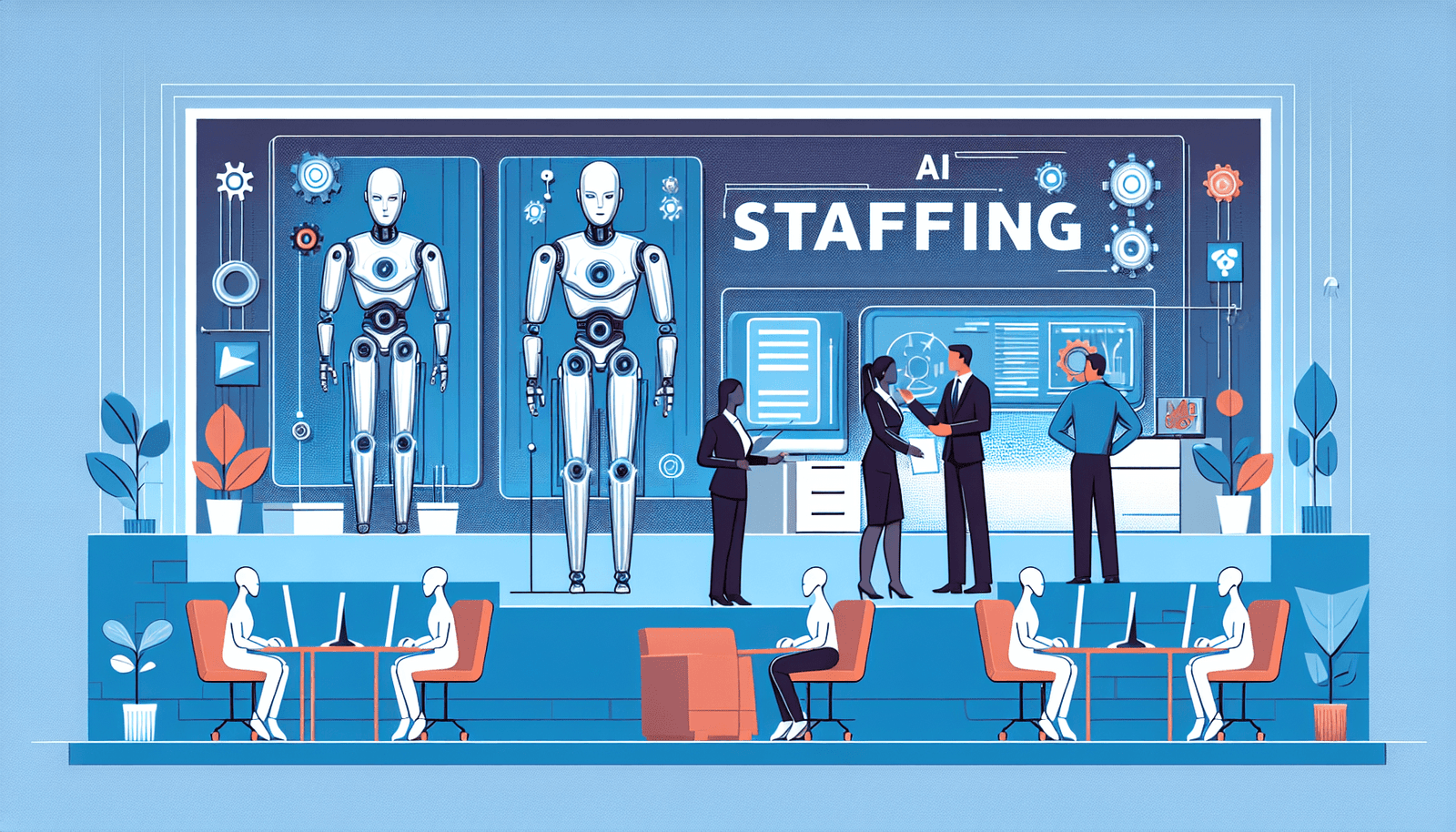
    ai technology

    Artificial intelligence (AI) has been a game-changer in revolutionizing recruitment processes, significantly enhancing efficiency and accuracy. By implementing AI in staffing, businesses can streamline candidate sourcing, automate job posting, and improve decision-making through data-driven insights. Simplified staffing is crucial in today’s competitive job market, ensuring organizations find the right talent while providing a seamless candidate experience.

    Understanding AI in Recruitment

    Artificial intelligence (AI) has been making significant strides in the recruitment industry, transforming the way organizations source, evaluate, and engage with potential candidates. Understanding the capabilities of AI-powered recruitment tools, the impact of AI on talent acquisition and management, and the growing importance of AI in the recruitment industry is crucial for businesses to stay competitive and streamline their hiring processes.

    AI-powered recruitment tools and their capabilities

    AI-powered recruitment tools leverage advanced algorithms and machine learning techniques to automate various aspects of the recruitment process. These tools can efficiently screen resumes, match candidates with relevant job openings, and even conduct preliminary interviews using AI chatbots. By automating time-consuming tasks and reducing human error, AI-powered tools help recruitment teams save time, resources, and ultimately, make better hiring decisions.

    The impact of AI on talent acquisition and management

    AI has revolutionized the way organizations approach talent acquisition and management by enabling more data-driven decision-making and fostering a more inclusive recruitment process. With the help of AI, hiring teams can quickly identify and engage with candidates who possess the desired skills and qualifications, ensuring a more efficient and targeted hiring process. Moreover, AI-driven tools can help mitigate unconscious bias in candidate selection, promoting a more diverse and inclusive workforce.

    The growing importance of AI in the recruitment industry

    As the job market becomes increasingly competitive, businesses must stay ahead of the curve to attract and retain top talent. AI has emerged as a vital tool in the recruitment industry, enabling organizations to streamline their hiring processes and make better-informed decisions. By embracing AI, businesses can not only improve their overall recruitment efficiency but also gain a competitive edge in the rapidly evolving job market.

    Optimizing Recruitment Processes with AI

    Artificial intelligence (AI) has been instrumental in optimizing recruitment processes by automating various tasks, utilizing big data for efficient hiring decisions, and improving candidate experience. The following subsections delve into the ways AI enhances recruitment, making it more streamlined and efficient.

    Streamlining candidate sourcing using AI

    AI plays a vital role in automating job posting and candidate matching, significantly reducing the time and effort required in sourcing candidates. By leveraging AI algorithms, businesses can improve candidate search accuracy and efficiency. These advanced algorithms scan through resumes and job descriptions to identify the most suitable matches, thus streamlining the candidate sourcing process.

    Utilizing big data for efficient hiring decisions

    AI enables organizations to analyze candidate profiles for better insights and make data-driven hiring decisions. Predictive analytics powered by AI algorithms can identify patterns and trends in candidate data, helping recruitment teams make more informed decisions. This data-driven approach contributes to a more effective and targeted hiring process, ensuring the right talent is selected for the right job.

    Improving candidate experience with AI

    AI-powered chatbots contribute to a seamless communication experience between candidates and organizations. These chatbots can answer common queries, schedule interviews, and provide personalized information to candidates. By enhancing candidate engagement through personalized interactions, AI ensures a positive candidate experience, ultimately attracting and retaining top talent.

    Diversifying Talent Pool and Reducing Bias

    AI-powered recruitment tools play a crucial role in promoting diversity and inclusion in the hiring process. By leveraging AI-driven tools for unbiased candidate screening, encouraging diversity in recruitment, and mitigating unconscious bias through AI algorithms, organizations can foster a more inclusive and unbiased work environment.

    AI-driven tools for unbiased candidate screening

    Artificial intelligence algorithms can screen candidate profiles without the influence of human biases. By doing so, AI-driven tools ensure that candidates are evaluated purely based on their skills, qualifications, and experiences, rather than factors such as gender, race, or age. This objective approach to candidate screening helps organizations build a more diverse and inclusive talent pool.

    Encouraging diversity and inclusion in recruitment

    AI-powered tools can help organizations proactively identify and engage with diverse candidates. By analyzing trends and patterns in candidate data, AI algorithms can recommend strategies to attract a more diverse range of job seekers. This includes optimizing job descriptions to be more inclusive and crafting targeted recruitment campaigns to reach underrepresented groups.

    Mitigating unconscious bias through AI algorithms

    Unconscious biases can significantly impact the recruitment process, leading to a less diverse workforce. AI algorithms can detect and mitigate these biases by analyzing and adjusting the hiring process accordingly. For example, AI can identify biased language in job descriptions and suggest more inclusive alternatives, ensuring that the recruitment process is fair and objective for all candidates.

    Navigating Risks and Challenges of AI in Recruitment

    While AI has the potential to revolutionize recruitment, it’s essential to consider the risks and challenges associated with its implementation. By addressing privacy concerns and discrimination risks, ensuring a personal touch in recruitment processes, overcoming technical limitations and accuracy concerns, and tackling ethical dilemmas and accountability issues, organizations can make the most of AI’s benefits while mitigating potential drawbacks.

    Addressing privacy concerns and discrimination risks

    AI-driven recruitment tools rely on vast amounts of data to function effectively, potentially raising privacy concerns among candidates. Ensuring compliance with data protection regulations and implementing robust security measures is crucial for maintaining candidate trust. Additionally, there’s a risk of AI algorithms unintentionally reinforcing biases present in the data they process. To mitigate this, it’s essential to develop and train AI models on diverse, unbiased datasets and to continually assess their performance for potential discrimination issues.

    Ensuring the personal touch in recruitment processes

    While AI can significantly streamline recruitment, it’s essential not to overlook the importance of the human touch in building relationships with candidates. Ensuring a balance between automation and personal interaction can help maintain a positive candidate experience. Integrating AI tools with traditional recruitment processes, such as interviews and networking events, can help achieve this balance and foster meaningful connections with potential employees.

    Overcoming technical limitations and accuracy concerns

    AI algorithms are not infallible and may still make errors or produce inaccurate results. It’s essential for organizations to recognize these limitations and implement safeguards to ensure data accuracy and the overall effectiveness of AI-driven recruitment. Regularly reviewing and refining AI models, as well as incorporating human input in critical decision-making processes, can help minimize inaccuracies and enhance the reliability of AI tools in recruitment.

    Tackling ethical dilemmas and accountability issues

    As AI becomes increasingly integrated into recruitment processes, organizations must consider the ethical implications and potential accountability issues. Developing clear guidelines for AI usage, maintaining transparency about AI-driven decision-making, and ensuring that human recruiters remain accountable for the overall recruitment process can help address these concerns. By staying vigilant and proactive in addressing the risks and challenges associated with AI in recruitment, businesses can optimize their hiring processes while maintaining trust and fairness.

    Leveraging AI for Simplified Staffing

    Implementing artificial intelligence (AI) in recruitment processes can lead to simplified staffing, providing organizations with efficient and cost-effective solutions to hire top talent. Embracing AI strategically, continuously learning and adapting to the evolving recruitment landscape, and future-proofing career and recruitment strategies are essential for organizations to stay competitive.

    Strategic use of AI for efficient and cost-effective recruitment

    By leveraging AI tools and algorithms, businesses can automate various aspects of the recruitment process, from sourcing candidates to evaluating their fit for a role. This automation not only streamlines the hiring process but also reduces the costs associated with manual recruitment tasks. Implementing AI strategically ensures that organizations can find the right talent quickly and efficiently, ultimately contributing to a more simplified staffing approach.

    The importance of continuous learning and adaptability in the age of AI

    As AI continues to transform the recruitment industry, it is vital for organizations and professionals to stay updated on the latest developments and trends. Continuous learning and adaptability are crucial for businesses to make the most of AI-powered recruitment tools and technologies, ensuring they remain at the forefront of the competitive job market. By fostering a culture of learning and innovation, organizations can maximize the benefits of AI in their recruitment processes.

    Future-proofing your career and recruitment strategies with AI

    Embracing AI in recruitment not only simplifies staffing but also helps future-proof the careers of professionals in the industry. By staying ahead of the curve and integrating AI-driven tools and techniques into recruitment strategies, businesses and professionals can ensure their continued success in a rapidly evolving job market. By investing in AI and adapting to its growing influence in the recruitment sector, organizations can ensure that they are well-prepared for the future of staffing.

    Unlocking Recruitment Potential

    Throughout this article, we’ve explored the undeniable impact of AI on recruitment processes, from streamlining candidate sourcing to promoting diversity and inclusion. Embracing AI is the future of simplified staffing, offering businesses efficient and cost-effective solutions to hire top talent. By staying ahead in the competitive recruitment industry with AI-powered tools, organizations can ensure their continued success in attracting and retaining the right candidates. Learn more about exploring the potential of AI in recruitment and its benefits for your organization with AI-Powered Staffing.


  • The Art of Data-Driven Staffing

    The Art of Data-Driven Staffing

    The Art of Data-Driven Staffing: Enhancing Candidate Journeys with 5 Proven Methods

    Recruitment agencies using talent acquisition strategies to promote industry growth

    In the contemporary job market’s competitive landscape, the ability to attract and retain top talent stands as a crucial success factor. This is especially true in the staffing industry, which acts as a vital bridge connecting diverse professionals with a myriad of roles across various sectors. The challenge for staffing agencies is not only to find the right candidates but also to enhance their experience through the recruitment process. This article delves into the transformative role of data-driven recruiting in the staffing industry, offering insights into how it benefits both job seekers and recruiters. Prepare to reimagine your hiring process with the power of data!

    Key Takeaways:

    • Prioritizing candidate experience is fundamental in successful staffing, impacting employer branding and reducing instances of candidate drop-offs and disengagement.

    • Leveraging data-driven strategies can streamline and refine hiring processes, leading to more predictable and consistent outcomes in staffing.

    • A case study exemplifies how a mid-sized staffing firm effectively transformed its recruitment approach through data-driven methods, resulting in a marked improvement in candidate satisfaction and the quality of placements.

    Staffing industry analysts in the interview process

    The Importance of Candidate Experience in Staffing Amidst Talent Shortages

    In the staffing industry, the recruitment process is often the first point of contact between a candidate and a staffing agency, setting the tone for their perception and decision-making. A seamless candidate experience is vital in enhancing employer branding, reputation, and productivity, and it can significantly reduce the number of incomplete applications – all of which are critical for attracting job seekers in today’s competitive market.

    Improving the candidate journey is key to successful staffing. It leaves a lasting impression that fosters word-of-mouth promotion and bolsters the agency’s reputation across various industries.

    Employer Branding and Reputation

    The branding and reputation of your staffing agency are instrumental in attracting diverse talent. Engaging with potential candidates through social media and creating content that reflects your agency’s culture are effective ways to build a strong employer brand. Additionally, actively managing your online presence and responding to feedback is essential to maintain a positive image in the job market.

    Simplifying the Application Process

    A streamlined application process is crucial, particularly during talent shortages. Best practices include:

    • Providing clear instructions and guidance.

    • Gathering candidate feedback.

    • Prompt follow-up with applicants.

    • Utilizing technology to automate and simplify processes, allowing your team to focus on higher-value tasks.

    These practices enhance candidate satisfaction, minimize issues like ghosting, and increase recruitment efficiency through data utilization.

    Staffing industry and staffing firms using recruitment software in a highly competitive market

    Minimizing Ghosting and Incomplete Applications

    Ghosting is a prevalent challenge in recruitment. To tackle this, AI-Powered Staffing employs journey mapping, tracking each application and pinpointing areas where candidates drop off. This insight allows staffing agencies to refine their processes for a smoother application experience. Automation with decision logic can personalize interactions based on applicant behavior, send reminders for incomplete applications, and offer assistance as needed.

    Responsive Talent Acquisition

    The speed of response post-application submission is crucial. Engaging with candidates promptly can significantly increase the chances of advancing the recruitment process. Data shows that responding within 15 minutes makes it six times more likely to connect with candidates and initiate recruitment.

    Staffing agencies using AI-Powered Staffing can leverage systems to maintain a database of past applicants, ensuring they keep track of high-potential candidates for future roles and maintain engagement throughout the recruitment process. By creating a candidate funnel, agencies are well-prepared with viable candidates for new job opportunities as they arise.

    Staffing companies creating a positive candidate experience in the recruiting process

    Data-Driven Strategies for Enhancing Candidate Experience in Staffing

    The implementation of data-driven strategies is transformative in enhancing candidate experience and streamlining the staffing process. Utilizing strategies such as crafting impactful job ads, optimizing application procedures, and personalizing interview schedules is pivotal in a data-centric approach.

    Leveraging accurate data and analytics, data-driven staffing supports objective candidate selection and establishes a legally defendable recruitment process. AI-Powered Staffing employs a software named Hire Up Funnels, featuring built-in analytics to measure, track, and optimize recruitment cycles. This data is displayed on a daily dashboard, enabling companies to make informed decisions.

    Crafting Compelling Job Ads for Diverse Roles

    Creating job ads that resonate with a diverse range of candidates is crucial in the staffing industry. AI-Powered Staffing utilizes employer brand messaging based on psychological principles, allowing companies to craft ads that align with the values, motivations, and preferences of various roles. The focus is on creating ads that speak to candidates on a human level, avoiding technical jargon or generic descriptions. This method not only attracts qualified candidates but also builds a pool of applicants who align with the organization’s ethos, streamlining the hiring process for HR professionals.

    Optimizing the Application Process

    A seamless application experience is key to attracting top talent. Data-driven insights help identify and rectify inefficiencies, enhancing the likelihood of application completion. Implementing a Hybrid AI hiring system optimizes the application process, automating routine tasks and creating customized actions based on specific conditions, thus allowing HR teams to focus on more strategic aspects.

    Using artificial intelligence in the staffing industry forecast

    Personalizing Interview Scheduling and Communication

    Tailoring interview schedules and communication underscores a commitment to valuing candidates. Automating scheduling and employing an omnichannel communication system facilitates effective interactions between recruiters and candidates. This ensures accurate tracking of communication and keeps candidates informed about their application status. It also ensures adherence to best practices throughout the recruitment process, minimizing the chances of candidates falling through the cracks. This level of customization and efficiency not only enhances the candidate experience but also streamlines the selection process, benefitting both recruiters and candidates.

    Measuring Candidate Experience in Staffing with AI-Powered Staffing

    To continuously enhance the hiring process in the staffing industry, it’s vital to measure candidate experience using various methods. These include identifying bottlenecks, implementing omnichannel communication, utilizing a built-in accountability co-pilot, and tracking key performance indicators (KPIs). Leveraging data insights is crucial for pinpointing improvement areas and making informed decisions.

    Removing Bottlenecks and Frictions

    Addressing bottlenecks in the staffing process can significantly improve application experiences and expedite hiring decisions. Analyzing data such as applicant feedback, time to hire, and drop-off rates is essential for identifying inefficiencies. Streamlining processes and enhancing communication are key strategies for:

    • Eliminating bottlenecks.

    • Improving candidate experience.

    • Accelerating hiring decisions.

    • Boosting overall efficiency.

    Omnichannel Communication with Automation Technologies

    In staffing, omnichannel communication allows candidates to interact with recruiters through various platforms like email, text, phone, social media, and pixel retargeting. This ensures candidates receive timely updates and can easily communicate with the recruitment team, enhancing their experience and building trust. AI-Powered Staffing utilizes pixel retargeting to re-engage candidates who have abandoned applications, increasing the chances of conversion.

    Implementing omnichannel communication involves:

    • Offering multiple contact channels for candidates.

    • Ensuring these channels are user-friendly.

    • Guaranteeing timely responses from the recruitment team.

    Accountability Co-Pilot: Ensuring Prompt Follow-Up

    An accountability co-pilot ensures quick follow-up and maintains efficiency in the staffing process. It sets clear expectations for recruiters regarding timely communication and feedback to applicants. This system automatically tracks progress and reminds recruiters to engage with applicants, and alerts management if guidelines are not followed, allowing for immediate corrective action.

    The AI-Powered Staffing co-pilot proactively manages recruitment, ensuring that if a candidate is not contacted promptly, reminders are sent to recruiters. Repeated delays trigger notifications to management, safeguarding against potential candidate loss and demonstrating respect for applicants’ time.

    Tracking KPIs

    Monitoring KPIs related to the candidate journey is essential for identifying areas of improvement and evaluating the success of changes. Key indicators like time to hire, candidate satisfaction, and application drop-off rates provide valuable insights. Tracking these metrics helps organizations understand the effectiveness of their hiring process and guides them in optimizing for better results.

    Staffing industry talent acquisition strategies implemented by staffing industry analysts

    Implementing Changes in Staffing Based on Data Insights with AI-Powered Staffing

    In the staffing industry, implementing changes based on data insights is crucial for addressing bottlenecks, fostering a culture of continuous improvement, and creating predictable, repeatable results through automation and system integration.

    Using data-driven decision-making enhances the candidate experience, leads to more successful placements, and streamlines the recruitment process.

    Addressing Bottlenecks and Frictions

    Identifying and addressing bottlenecks in the staffing process leads to a smoother and more positive experience. Data insights reveal improvement areas, resulting in enhanced candidate experiences and more successful staffing outcomes.

    Fostering Continuous Improvement Based on Data Insights

    Cultivating a culture of continuous improvement, informed by data, ensures the staffing process constantly evolves to meet both candidate and organizational needs. Using data to identify areas for adjustment advances the candidate experience and optimizes staffing success.

    Creating Predictable and Repeatable Results

    Employing data-driven decision-making generates predictable and repeatable outcomes, improving hire quality and enhancing the overall candidate journey. It provides insights into recruitment trends, enabling recruiters to make informed decisions.

    Staffing companies can use applicant tracking system and job boards as part of a strategy to create a successful transformation

    Case Study: Successful Data-Driven Staffing Transformation

    Consider a case study in the staffing industry where a mid-sized agency faced challenges in attracting diverse talent. By adopting AI-Powered Staffing, they transformed their recruitment process, leading to better candidate matching and experience.

    The agency utilized data from AI-Powered Staffing to identify and improve weak areas in their recruitment. They focused on sources yielding high-caliber applicants, resulting in a more efficient process. Consequently, the agency experienced improved hire quality and an enhanced candidate experience.

    Summary

    Data-driven staffing is a potent tool for improving candidate experience and refining recruitment processes. Strategies like crafting impactful job ads, streamlining applications, and employing omnichannel communication significantly elevate the staffing journey. With data insights and a dedication to continual improvement, staffing processes can be revolutionized, benefiting both candidates and the agency. To discover how Hybrid AI can aid your staffing needs, explore AI-Powered Staffing.

    Questions about staffing services and industry growth

    Frequently Asked Questions

    1. What is candidate experience in staffing?

      • Candidate experience in staffing is the perception job seekers have of an agency’s recruitment and onboarding process, including their interactions from application to potential hiring or exit from the process.

    2. What is data-driven staffing?

      • Data-driven staffing involves using in-depth analytics and recruitment metrics to make informed hiring decisions, improving efficiency, reducing costs, and enhancing recruitment outcomes.

    3. Key factors influencing candidate experience in staffing?

      • Factors include employer branding, streamlined application processes, and effective communication strategies to minimize candidate drop-offs.

    4. Strategies for optimizing candidate experience using application source data?

      • Investing in high-quality applicant sources and ensuring data accuracy are crucial. This involves removing any discrepancies in the data and providing a seamless application experience.

  • Why AI-powered staffing is a game-changer

    Why AI-powered staffing is a game-changer

    Why AI-powered staffing is a game-changer for small businesses

    Introduction

    AI-powered staffing for small businesses

    Artificial intelligence (AI) technology has been making waves across various industries, revolutionizing the way businesses operate and grow. One area where AI has shown immense potential is in staffing, particularly for small businesses. AI-powered staffing solutions offer a range of benefits that can help small businesses overcome the challenges of traditional recruitment methods and gain a competitive edge in today’s fast-paced, talent-driven market.

    The Challenges Faced by Small Businesses in Traditional Staffing

    Recruiting the right talent is essential for the success of any business. However, small businesses face numerous challenges when it comes to traditional staffing methods. These challenges can hinder their ability to attract, hire, and retain top talent, ultimately impacting their growth and competitiveness.

    One of the primary concerns for small businesses is the high costs associated with recruitment and employee turnover. From advertising job openings to conducting interviews and onboarding new employees, the entire hiring process can be expensive. Additionally, when employees leave the company, small businesses often need to invest further resources in finding a suitable replacement, leading to a continuous cycle of high costs.

    Small businesses also typically have limited resources and expertise when it comes to human resources management. Unlike larger organizations, they might not have a dedicated HR team to handle the entire recruitment process. This puts extra pressure on the business owner or other team members to take on additional responsibilities, which can be time-consuming and distracting from their core tasks.

    Another challenge faced by small businesses in traditional staffing is the time-consuming nature of the hiring process. From creating job descriptions to sorting through resumes and conducting interviews, each step can take a significant amount of time and effort. This can be particularly problematic for small businesses, as they often need to fill vacant positions quickly to avoid any negative impact on their operations and productivity.

    AI-powered staffing solutions aim to address these challenges, offering small businesses a more efficient and cost-effective way to manage their recruitment and staffing needs. By automating repetitive tasks, streamlining workflows, and leveraging data-driven insights, these solutions can help small businesses overcome the hurdles of traditional staffing and focus on growing their business.

    How AI-Powered Staffing is Transforming the Recruitment Process

    By leveraging artificial intelligence, AI-powered staffing solutions are revolutionizing the way small businesses approach recruitment. These innovative tools offer a range of features designed to streamline the hiring process, improve decision-making, and enhance the overall experience for both candidates and employers. Let’s explore some of the key ways AI-powered staffing is transforming recruitment.

    One of the most significant benefits of AI-powered staffing is its ability to automate repetitive tasks and streamline workflows. For small businesses, this means less time spent on manual tasks, such as sorting through resumes and scheduling interviews, and more time focusing on strategic decision-making and core business operations. By automating tasks, AI-powered staffing solutions can significantly reduce the time and effort required to fill vacant positions, enabling small businesses to respond more quickly to their staffing needs.

    Another advantage of AI-powered staffing is its capacity for intelligent candidate screening and matching. By using advanced algorithms and machine learning models, these tools can automatically analyze resumes and job descriptions, identifying the most relevant candidates for a given role. This not only helps small businesses save time in the initial screening process but also ensures they are considering a diverse range of qualified candidates, ultimately leading to better hiring decisions.

    Data-driven decision-making in talent acquisition is another key feature of AI-powered staffing solutions. By analyzing large volumes of data from various sources, these tools can provide valuable insights into candidate preferences, skills, and potential fit within the organization. This information can help small business owners make more informed decisions when selecting candidates, reducing the likelihood of a bad hire and improving overall employee retention rates.

    Lastly, AI-powered staffing solutions can enhance the candidate experience and employer branding. By streamlining communication with candidates, providing timely feedback, and offering personalized recommendations, these tools can create a more positive and engaging experience for job seekers. This not only helps small businesses attract top talent but also positions them as an employer of choice in the competitive talent market.

    Benefits of AI-Powered Staffing for Small Businesses

    Implementing AI-powered staffing solutions can bring a multitude of advantages to small businesses, from cost savings to improved employee retention. By leveraging artificial intelligence in the recruitment process, small businesses can better navigate the challenges of traditional staffing methods and position themselves for long-term success.

    One of the most apparent benefits of AI-powered staffing is cost savings and improved efficiency. By automating repetitive tasks and streamlining the hiring process, small businesses can significantly reduce the time and resources required to fill vacant positions. This not only helps to lower recruitment costs but also allows small business owners to focus on their core operations and strategic decision-making.

    AI-powered staffing solutions can also provide small businesses with access to a wider and more diverse talent pool. By intelligently screening and matching candidates, these tools can help to identify a broader range of qualified applicants from various backgrounds. This increased diversity can lead to a more inclusive and innovative workforce, helping small businesses to stay competitive in today’s fast-paced market.

    Improving the quality of hires and reducing time-to-fill are further advantages of AI-powered staffing. By leveraging data-driven insights and intelligent candidate matching, small businesses can make better-informed hiring decisions, resulting in a higher quality workforce. Additionally, AI-powered staffing solutions can speed up the recruitment process, enabling small businesses to quickly fill vacant positions and maintain productivity.

    Better employee retention and engagement are also key benefits of AI-powered staffing. By creating a more positive candidate experience and ensuring a better fit between new hires and the organization, small businesses can improve overall employee satisfaction. This, in turn, can lead to increased employee retention rates, reducing the costs associated with turnover and contributing to a more stable and engaged workforce.

    Real-World Examples of Small Businesses Leveraging AI-Powered Staffing

    As AI-powered staffing solutions continue to gain traction, more and more small businesses are realizing their potential in transforming the recruitment process. The following case studies showcase real-world examples of small businesses that have successfully leveraged AI-powered staffing to achieve various benefits.

    One small business implemented AI-powered staffing to address the challenge of high hiring costs. By automating tasks and streamlining the recruitment process, the company was able to significantly reduce the time and resources spent on hiring. This resulted in lower overall recruitment costs and allowed the business owner to focus on other essential aspects of the company’s growth.

    In another case, a small business used AI-powered staffing to improve the quality of its hires. Through intelligent candidate matching and data-driven insights, the company was able to identify top talent that was well-suited for the organization. This not only led to better employee performance but also improved retention rates, further contributing to the company’s success.

    Lastly, a small business leveraged AI-powered staffing to enhance its employer brand. By streamlining communication with candidates and providing a more positive recruitment experience, the company was able to position itself as an employer of choice in the competitive talent market. This helped to attract high-quality candidates and build a strong reputation as a desirable place to work.

    These case studies demonstrate the transformative power of AI-powered staffing for small businesses. By addressing the challenges of traditional staffing methods and providing a more efficient and cost-effective solution, AI-powered staffing is indeed a game-changer for small businesses in today’s fast-paced and competitive talent landscape.

    Choosing the Right AI-Powered Staffing Solution for Your Small Business

    As small businesses begin to explore the benefits of AI-powered staffing, it is essential to carefully consider which solution will best meet their unique needs and requirements. In this section, we will discuss some key factors to consider when selecting an AI-powered staffing tool, from identifying essential features to assessing compatibility with existing HR systems and evaluating cost-effectiveness and return on investment.

    Key Features to Look for in an AI-Powered Staffing Tool

    When evaluating potential AI-powered staffing solutions, it is crucial to identify the features that will best support your small business’s recruitment goals. Some key features to consider include the ability to automate repetitive tasks, intelligent candidate screening and matching, data-driven insights and decision-making, and tools for enhancing the candidate experience and employer branding. By prioritizing these features, you can ensure that your chosen solution will effectively streamline your recruitment process and help you achieve better hiring outcomes.

    Assessing Compatibility and Integration with Existing HR Systems

    Another essential factor to consider when choosing an AI-powered staffing solution is its compatibility with your existing HR systems. Your chosen tool should integrate seamlessly with your current recruitment processes and software, allowing for a smooth transition and minimal disruption to your operations. Be sure to assess the level of customization and support available from the solution provider, as this can make a significant difference in ensuring a successful implementation.

    Evaluating the Cost-Effectiveness and Return on Investment

    Finally, it is vital to evaluate the cost-effectiveness and potential return on investment (ROI) of your chosen AI-powered staffing solution. While these tools can offer significant benefits in terms of improved efficiency and hiring outcomes, it is essential to weigh these advantages against the costs associated with implementation and ongoing use. Consider both the direct costs of the solution, such as subscription fees and training, as well as any indirect costs related to integration and potential changes to your existing processes. By conducting a thorough cost-benefit analysis, you can make an informed decision about the best AI-powered staffing solution for your small business.

    Embrace the AI Staffing Revolution

    Throughout this article, we’ve explored the undeniable potential of AI-powered staffing as a game-changer for small businesses. By automating tasks, streamlining workflows, and providing valuable data-driven insights, AI-powered staffing solutions can help small businesses overcome the challenges of traditional recruitment methods and gain a competitive advantage in the talent market. It’s crucial for small businesses to adapt and embrace AI technology to thrive in today’s fast-paced, talent-driven market. We encourage small business owners to explore AI-powered staffing solutions to improve their recruitment processes and overall business performance.