
Author: Content Team in Collab with AI

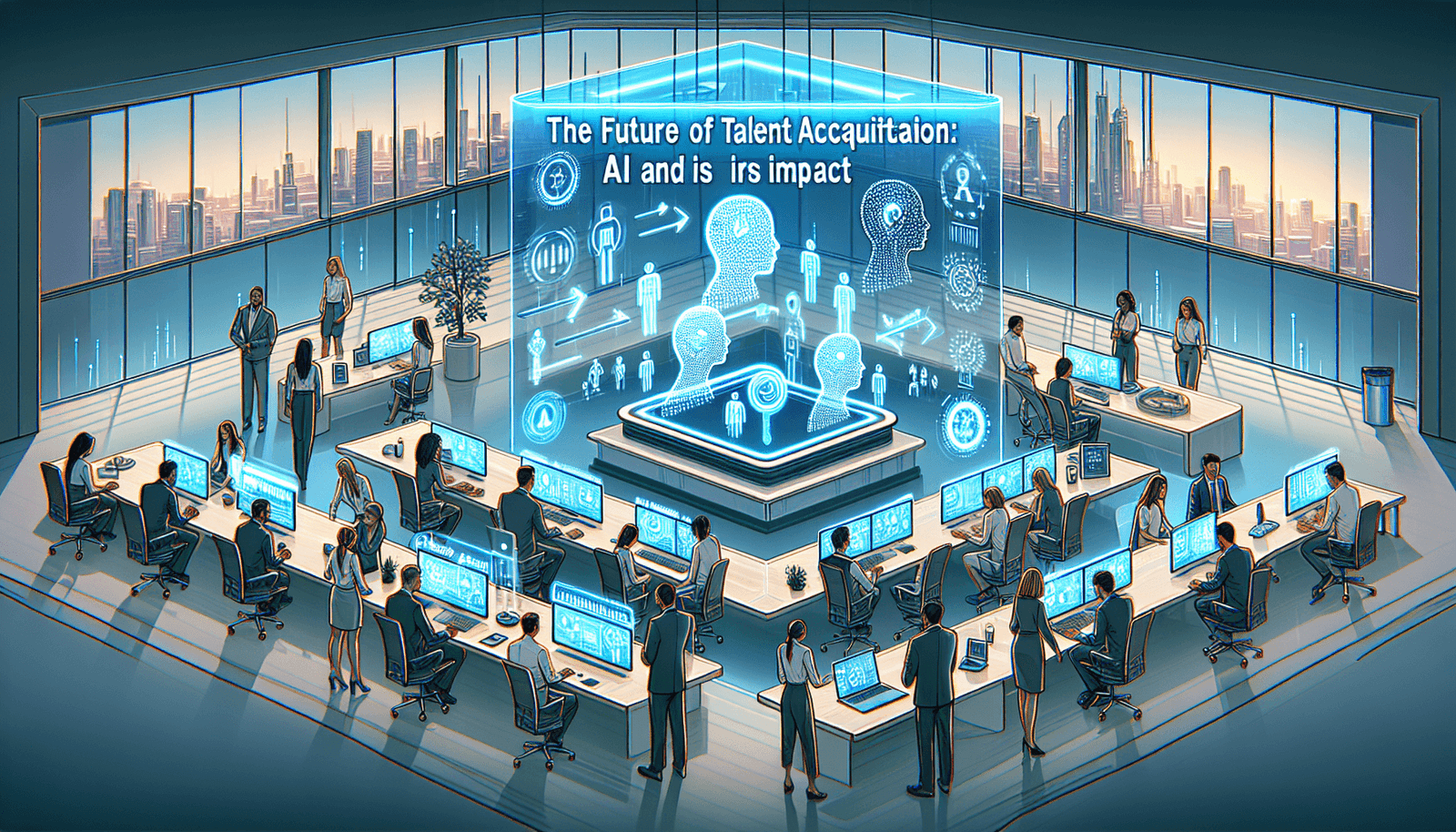
  • The Future of Talent Acquisition: AI and its Impact

    The Future of Talent Acquisition: AI and its Impact

    ai staffing

    I. Introduction

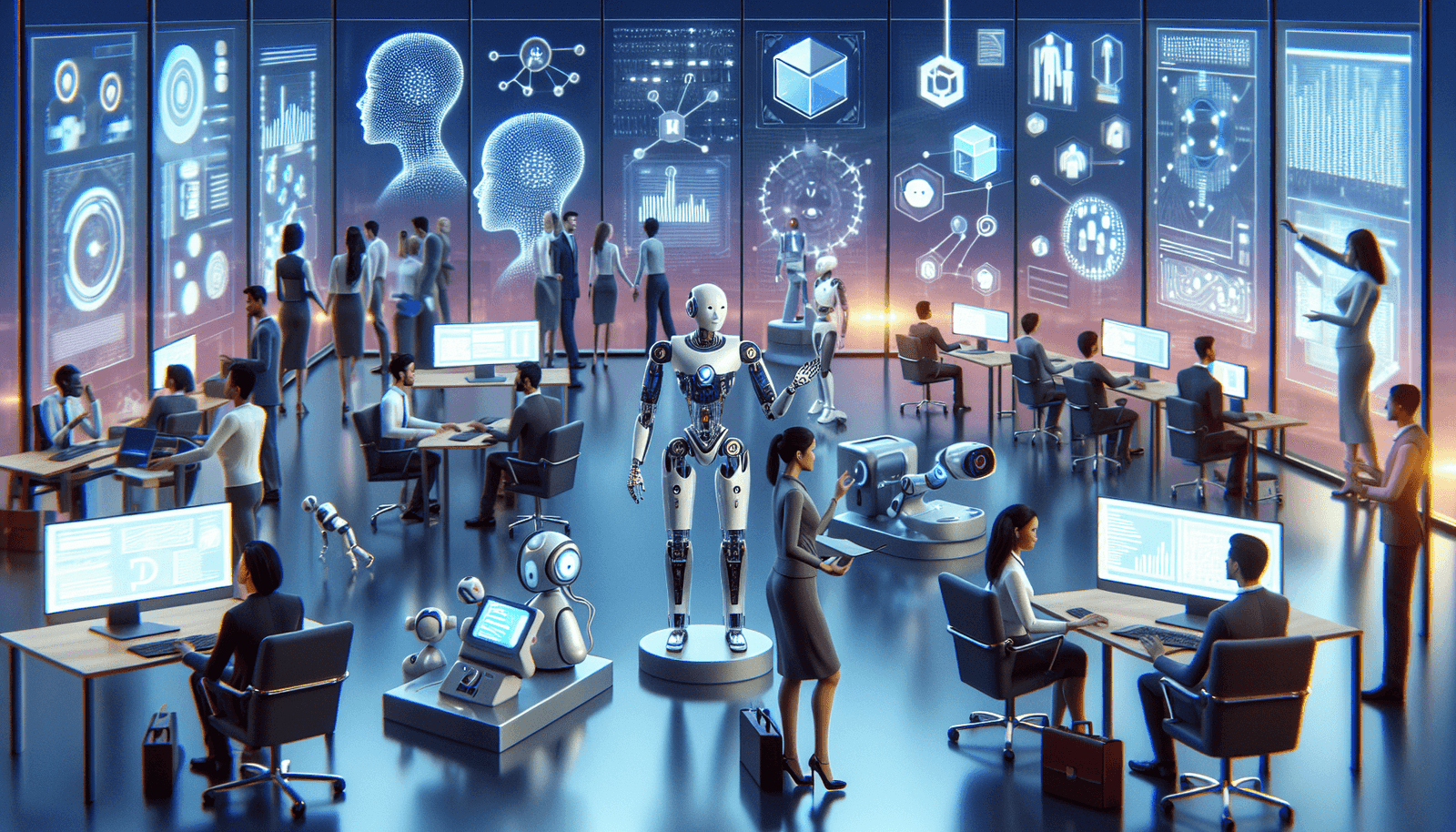
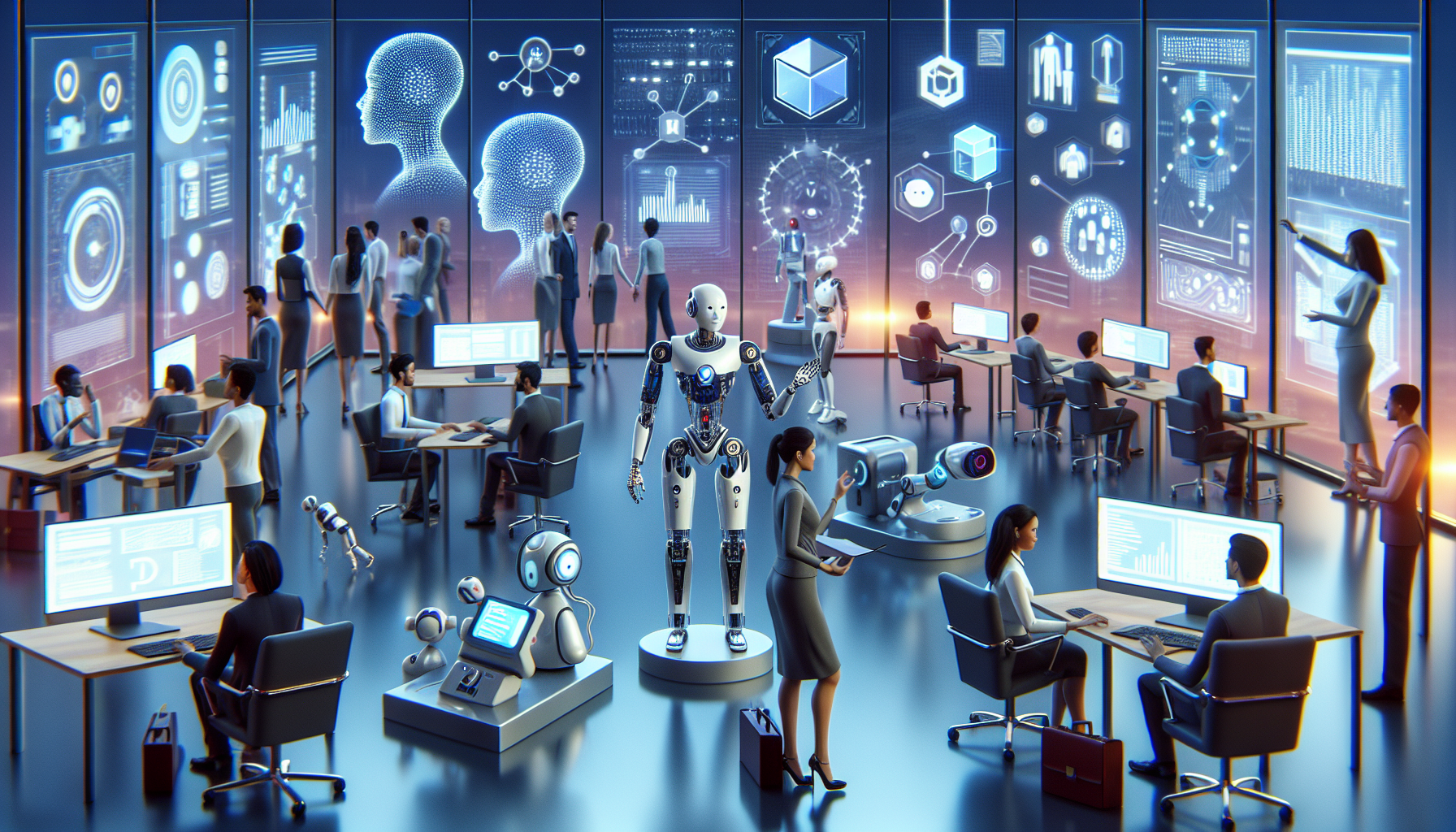
    Talent acquisition has entered a new era with the integration of artificial intelligence (AI). As technology continues to revolutionize recruitment practices, staying informed about the impact of AI on talent acquisition is crucial for businesses looking to maintain a competitive edge in the job market. With AI streamlining processes and enhancing candidate sourcing, understanding its role and implications can help companies adapt and thrive in the modern talent landscape.

    Limitations of Traditional Hiring

    In the era of rapidly evolving technology, traditional hiring practices face several challenges that can hamper the efficiency and effectiveness of the talent acquisition process. One such limitation is the time-consuming nature of traditional hiring processes. Employers often spend significant amounts of time screening resumes, conducting interviews, and evaluating candidates, which can delay hiring decisions and prolong the recruitment cycle.

    Furthermore, high costs are associated with traditional hiring methods. These expenses include advertising job openings, paying recruiters or staffing agencies, and investing in background checks and pre-employment assessments. These costs can quickly add up, putting a strain on a company’s budget and resources.

    Unconscious bias is another concern in traditional hiring practices. Despite best intentions, hiring managers may unintentionally favor candidates based on factors unrelated to job performance, such as gender, race, or age. This bias can lead to unequal opportunities for qualified candidates and limit workplace diversity.

    Lastly, finding quality candidates can be a significant challenge in traditional hiring. With a vast pool of job seekers, it can be difficult for employers to identify the best fit for their organization. This issue can result in a higher risk of hiring the wrong candidate, which can be costly and detrimental to a company’s performance and culture.

    As a result, businesses are increasingly turning to AI-powered staffing solutions to overcome these limitations and revolutionize their talent acquisition processes.

    AI: The Game Changer in Talent Acquisition

    Artificial Intelligence (AI) is revolutionizing the talent acquisition landscape, transforming the way recruiters and hiring managers approach the recruitment process. With its ability to automate repetitive tasks, improve the quality of hires, enable data-driven decision-making, and reduce unconscious bias, AI is truly a game changer in the field.

    Automating Repetitive Tasks

    One of the primary advantages of AI in talent acquisition is its ability to automate repetitive tasks, such as resume screening and interview scheduling. By taking over these time-consuming activities, AI allows recruiters to focus on more strategic aspects of the hiring process, such as building relationships with candidates and developing targeted recruitment strategies.

    Improving the Quality of Hires

    AI can assist in making more informed hiring decisions by providing insights into a candidate’s potential performance and fit within the organization. With AI-driven assessments and predictive analytics, recruiters can better understand a candidate’s capabilities and determine if they will be successful in the role. This leads to higher-quality hires and ultimately, improved organizational performance.

    Data-Driven Decision-Making

    AI enables recruiters to make data-driven decisions throughout the talent acquisition process. By analyzing historical data on successful hires, AI can identify patterns and trends that can inform future hiring decisions. This helps organizations make more objective and effective decisions, ultimately leading to better talent outcomes.

    Reducing Unconscious Bias

    Unconscious bias can significantly impact the fairness and effectiveness of the hiring process. AI has the potential to mitigate this issue by providing objective assessments of candidates, ensuring that decisions are based on relevant factors, rather than personal biases. By reducing the influence of unconscious bias, AI can help organizations create a more diverse and inclusive workforce.

    In summary, the adoption of AI in talent acquisition is reshaping the industry by streamlining processes, enhancing candidate sourcing, improving the quality of hires, promoting data-driven decision-making, and reducing unconscious bias. As AI continues to advance, its impact on talent acquisition will only grow, making it essential for organizations to stay informed and adapt to the changing recruitment landscape.

    AI-Powered Tools and Solutions

    As technology continues to advance, AI-powered tools and solutions are transforming the landscape of talent acquisition. These innovative tools are designed to streamline and improve various aspects of the recruitment process, allowing HR professionals to focus on strategic initiatives and personalized interactions. Here, we explore four key areas in which AI is making a significant impact on talent acquisition:

    AI-Driven Talent Assessment

    AI-driven talent assessment tools enable recruiters to evaluate and rank candidates based on their skills, experience, and potential fit with the organization. By using advanced algorithms and machine learning, these tools can analyze vast amounts of data, identify patterns, and generate insights to help recruiters make more informed decisions. AI-driven talent assessments can also reduce the risk of unconscious bias, promoting fair and inclusive hiring practices.

    AI in Candidate Engagement

    Engaging with candidates throughout the recruitment process is essential to create a positive candidate experience. AI-powered chatbots and virtual assistants can help recruiters manage candidate communication more efficiently by answering common questions, providing real-time updates, and even conducting initial interviews. This not only saves time for recruiters but also ensures that candidates feel valued and informed throughout the hiring process.

    AI in Interview Scheduling and Screening

    Coordinating interviews can be a time-consuming task for recruiters, especially when dealing with multiple candidates and schedules. AI-powered tools can automate this process by analyzing calendars, identifying available time slots, and scheduling interviews accordingly. In addition, AI-driven video interview platforms can evaluate candidate responses, analyze body language, and provide insights to help recruiters assess candidates more effectively.

    AI in Onboarding and Retention

    The onboarding process is critical to ensuring that new hires feel welcome and supported in their new roles. AI-powered tools can assist with various onboarding tasks, such as creating personalized onboarding plans, tracking progress, and providing real-time feedback. Moreover, AI-driven analytics can help organizations identify patterns and trends related to employee retention, enabling HR professionals to develop targeted strategies to improve employee engagement and reduce turnover.

    In conclusion, AI-powered tools and solutions are revolutionizing talent acquisition by automating repetitive tasks, enhancing candidate engagement, and providing valuable insights to inform decision-making. As AI technology continues to evolve, it is essential for organizations to stay updated and embrace these innovations to remain competitive in the ever-changing world of talent acquisition.

    Ethical AI in Talent Acquisition

    Incorporating ethical AI in talent acquisition is essential to ensure a fair and inclusive hiring process. With the increasing use of AI-powered tools in recruitment, it’s important to address potential biases, maintain transparency, and promote fair hiring practices.

    Transparency in AI Applications

    Being transparent in the use of AI in talent acquisition is crucial to building trust with candidates and ensuring unbiased decision-making. Companies should disclose the use of AI tools in their recruitment process and provide clear information on how algorithms are used to assess and select candidates. This openness allows candidates to better understand the hiring process and fosters a sense of fairness.

    Potential Biases in AI Algorithms

    AI algorithms are prone to biases, as they rely on historical data to make predictions. If this data contains biased information, the AI tools will likely perpetuate these biases in the recruitment process. To prevent this, it’s important to continually audit AI algorithms and ensure they are trained on diverse and unbiased data sets. This will help minimize discrimination and promote equal opportunities for all candidates.

    Addressing Ethical Concerns

    To address ethical concerns in AI-driven talent acquisition, companies must establish guidelines and best practices for the use of AI tools. This includes ethical considerations, such as respecting candidate privacy, ensuring data security, and maintaining compliance with relevant laws and regulations. By implementing these practices, companies can foster an ethical recruitment process and mitigate potential risks associated with AI applications.

    Promoting Fair and Inclusive Hiring Practices

    Ethical AI in talent acquisition goes beyond addressing biases and transparency. It also encompasses promoting fair and inclusive hiring practices that provide equal opportunities to all candidates, regardless of their background, gender, ethnicity, or other factors. By leveraging AI tools that support unbiased decision-making and implementing diversity and inclusion initiatives, companies can create a more equitable and inclusive recruitment process.

    VI. Future Trends in AI and Talent Acquisition

    As technology advances, AI continues to reshape the landscape of talent acquisition. Looking ahead, several key trends are emerging in the field, such as predictive hiring, personalized candidate experiences, integration with other technologies, and the constant evolution of AI algorithms.

    Predictive Hiring

    One of the most promising trends in AI and talent acquisition is predictive hiring. This approach utilizes AI-powered analytics to forecast the success of potential candidates based on their skills, experiences, and other relevant factors. By analyzing historical data on successful hires, predictive hiring can help organizations identify top talent more effectively and streamline the recruitment process.

    Personalized Candidate Experiences

    AI is also enabling more personalized experiences for job seekers. From tailored job recommendations to customized interview scheduling, AI-driven platforms can provide a seamless and engaging experience for candidates. This not only helps organizations stand out in the competitive job market but also fosters positive relationships with potential hires, increasing the chances of securing top talent.

    Integration of AI with Other Emerging Technologies

    The future of talent acquisition will see AI integrated with other cutting-edge technologies, such as virtual reality, blockchain, and the Internet of Things (IoT). These combinations will further enhance the capabilities of AI-driven tools and enable innovative recruitment strategies, ultimately transforming the way organizations source, assess, and onboard talent.

    Continuous Improvement of AI Algorithms

    As AI continues to evolve, so too will the algorithms that power its applications in talent acquisition. Ongoing advancements in machine learning and natural language processing will enable AI tools to analyze and understand increasingly complex data, leading to more accurate and insightful predictions. This constant improvement will help organizations stay ahead of the curve and ensure their talent acquisition strategies remain effective in an ever-changing landscape.

    VII. Case Studies and Success Stories

    Many companies have successfully implemented AI in their talent acquisition processes, experiencing significant improvements in efficiency and effectiveness. Some of these organizations have leveraged AI-powered tools and solutions to streamline the recruitment process, enhance candidate sourcing, and improve the quality of hires.

    One of the key benefits of AI adoption in talent acquisition is the ability to automate repetitive tasks, such as resume screening and interview scheduling. This allows recruiters to focus on more strategic aspects of the hiring process, ultimately leading to better outcomes for both the organization and its candidates.

    Moreover, AI-powered analytics can provide valuable insights into candidate preferences and behavior, enabling companies to make more informed decisions and tailor their recruitment strategies accordingly. This data-driven approach has proven to be highly effective in identifying top talent and ensuring the right fit for both the candidate and the organization.

    As companies continue to adopt AI in their talent acquisition processes, several lessons have emerged as best practices. One such lesson is the importance of continuous learning and staying informed about AI developments. As AI technology continues to evolve, organizations should be proactive in embracing new tools and solutions, and refining their recruitment strategies to stay ahead of the curve.

    Another key lesson is the need for transparency and ethical considerations when implementing AI in talent acquisition. It is crucial for companies to address any potential biases in AI algorithms and ensure that their hiring practices are fair and inclusive. By doing so, they can foster a positive employer brand and attract a diverse talent pool.

    In conclusion, the success stories of companies that have embraced AI in talent acquisition demonstrate the transformative potential of this technology. By adopting AI-powered tools and solutions, organizations can streamline their recruitment processes, improve the quality of hires, and stay ahead in the competitive talent market.

    Preparing for the Future of Talent Acquisition

    As the landscape of talent acquisition evolves, it is essential for businesses to stay ahead of the curve by embracing AI and automation, adapting to changing recruitment practices, investing in AI-powered tools, and continuously learning about AI developments.

    Embracing AI and automation is a crucial step in staying competitive in the recruitment industry. By leveraging AI technologies, companies can streamline their hiring processes, reduce unconscious bias, and make data-driven decisions. This not only saves time and resources but also enhances the overall quality of hires, leading to a more diverse and skilled workforce.

    Adapting to changing recruitment practices is equally important. With the rise of AI, traditional recruitment methods may become less effective, and new techniques, such as using AI-powered chatbots for candidate engagement or incorporating AI-driven assessments, will become more prevalent. By staying agile and open to change, businesses can ensure they are at the forefront of talent acquisition and are well-equipped to source the best candidates for their organization.

    Investing in AI-powered tools and solutions is a strategic move for businesses looking to improve their talent acquisition capabilities. These tools can help automate repetitive tasks, provide valuable insights from data analysis, and offer a more personalized candidate experience. By integrating AI into their recruitment processes, companies can not only improve efficiency but also gain a competitive edge in the market.

    Finally, continuous learning and staying informed on AI developments is essential for businesses to remain relevant in the ever-evolving world of talent acquisition. By keeping up-to-date with the latest AI trends, technologies, and best practices, businesses can make informed decisions, anticipate changes in the industry, and adapt their recruitment strategies accordingly.

    In conclusion, the future of talent acquisition lies in the intersection of AI and human expertise. By embracing AI, adapting to changes in recruitment practices, investing in AI-powered tools, and continuously learning about AI developments, businesses can stay ahead of the curve and ensure they are well-prepared for the future of talent acquisition.

    Conclusion

    In the rapidly evolving world of talent acquisition, the impact of AI is inevitable. As technology continues to advance, it is essential for businesses to embrace AI solutions in order to stay competitive and streamline their recruitment processes. By adopting AI-powered tools and staying updated on AI trends and developments, companies can enhance their ability to find and hire the best talent available.

    The importance of adopting AI solutions in talent acquisition cannot be overstated. Companies that invest in AI-driven recruitment strategies are likely to see significant improvements in the efficiency and effectiveness of their hiring processes. This can result in reduced time-to-hire, lower costs, and a more diverse and talented workforce.

    As the future of talent acquisition unfolds, staying informed about AI trends and developments is crucial for success. This not only helps businesses to make better decisions regarding their recruitment strategies but also ensures that they are prepared for the ongoing technological advancements that are transforming the industry. By staying updated on AI innovations, companies can ensure that they remain at the forefront of the talent acquisition landscape and are well-equipped to navigate the challenges and opportunities that lie ahead.

    Embrace AI in Talent Acquisition

    As AI continues to revolutionize the talent acquisition landscape, it’s crucial for professionals to stay updated on emerging trends and technologies. With AI-powered staffing solutions shaping the future of recruitment, don’t miss out on the benefits they bring to the table. For more information on how AI can optimize your hiring process, consider reaching out to AI-Powered Staffing directly once their website is fully operational.

    In the meantime, stay tuned for future updates on AI-powered staffing advancements and trends, and explore other reputable resources to gain insights into how AI is impacting talent acquisition. With the right tools and knowledge, you’ll be well-equipped to embrace the future of recruitment.

    Contact us to learn more about how AI-Powered Staffing can revolutionize your talent acquisition process.


  • Why Local Businesses Should Choose AI-Powered Staffing Agencies

    Why Local Businesses Should Choose AI-Powered Staffing Agencies

    AI-Powered Staffing Agencies: A Game Changer for Local Businesses

    AI-powered staffing agencies

    AI-powered staffing agencies harness the power of artificial intelligence to revolutionize the hiring process. By leveraging cutting-edge technology, these agencies enable local businesses to find the perfect candidates quickly and efficiently. Selecting the right staffing agency is crucial for local businesses, as it directly impacts their success in the competitive market.

    What is AI-Powered Staffing?

    AI-powered staffing refers to the integration of artificial intelligence (AI) technologies into the recruitment and hiring processes of staffing agencies. This innovative approach helps streamline various aspects of talent acquisition, from candidate sourcing and screening to onboarding and retention, making it more efficient and effective for both employers and job seekers.

    AI Integration in the Staffing Process

    AI plays a crucial role in modern staffing solutions by automating repetitive tasks, analyzing large volumes of data, and providing insights into candidate suitability and potential. Key areas where AI is integrated into the staffing process include:

    • Automated candidate sourcing: AI algorithms search through multiple databases and platforms to identify potential candidates based on job requirements, skills, and qualifications.
    • Resume parsing and screening: AI-driven tools can quickly parse resumes, extract relevant information, and rank candidates based on their suitability for a particular job.
    • Chatbots and virtual assistants: AI-powered chatbots can communicate with candidates, answering questions and guiding them through the application process, saving time and resources for the staffing agency.
    • Predictive analytics: By analyzing historical data, AI can help staffing agencies predict hiring trends, identify skill gaps, and anticipate workforce needs, enabling them to make informed decisions and proactive strategies.

    Benefits of AI-Driven Technologies in Staffing

    There are several benefits associated with the use of AI-driven technologies in staffing, including:

    • Increased efficiency: Automation of time-consuming tasks allows staffing agencies to focus on more strategic and value-adding activities, improving their overall productivity and efficiency.
    • Higher quality of candidates: AI algorithms analyze candidate data more objectively and accurately than human recruiters, resulting in better matches and higher-quality candidates for job openings.
    • Reduced hiring costs: By streamlining the recruitment process, AI-powered staffing solutions can help reduce the time-to-hire and overall hiring costs for businesses.
    • Better candidate experience: AI-driven tools, such as chatbots and virtual reality simulations, offer an engaging and personalized experience for job seekers, leading to a better candidate experience and higher retention rates.

    Advantages of Choosing AI-Powered Staffing Agencies for Local Businesses

    Local businesses can greatly benefit from choosing AI-powered staffing agencies over traditional ones. The integration of artificial intelligence in the staffing process brings numerous advantages that can help businesses find the right candidates more efficiently and effectively.

    Improved Candidate Matching Through Deep Learning Algorithms

    One key advantage of AI-powered staffing agencies is their use of deep learning algorithms to better understand candidate skills and experiences. This results in increased accuracy in matching candidates to job requirements. By leveraging AI, staffing agencies can quickly analyze large volumes of data and identify the most suitable candidates, increasing the chances of successful placements.

    Enhanced Efficiency in Candidate Screening

    AI-powered staffing agencies also offer enhanced efficiency in candidate screening, reducing manual efforts and speeding up the hiring process. Advanced algorithms can sift through resumes, assess candidate skills, and rank applicants based on their relevance to the job. This automation not only saves time but also helps businesses find the best talent faster, ultimately leading to a shorter time-to-hire.

    Utilization of Predictive Analytics

    Another advantage of AI-powered staffing agencies is their ability to harness predictive analytics to make better-informed decisions. By analyzing historical data and identifying patterns, these agencies can forecast staffing needs and trends, helping local businesses plan their workforce more effectively. This data-driven approach enables businesses to make strategic hiring decisions that align with their growth and expansion plans.

    Local businesses stand to gain significant advantages by choosing AI-powered staffing agencies. From improved candidate matching and screening to predictive analytics and immersive candidate assessments, AI-driven staffing solutions offer a competitive edge in today’s rapidly evolving job market.

    AI-Powered Staffing vs. Traditional Staffing Agencies

    As technology continues to advance and reshape various industries, AI-powered staffing agencies and traditional staffing agencies have become increasingly distinct. The key differences lie in their usage of technology, candidate sourcing and screening, and the impact on hiring costs and time-to-fill.

    Comparison of Technology Usage

    AI-powered staffing agencies leverage cutting-edge technologies such as machine learning, data analytics, and natural language processing to streamline the hiring process. These technologies allow AI-powered agencies to automate repetitive tasks, generate valuable insights, and improve decision-making. On the other hand, traditional staffing agencies rely more on manual processes and human intuition, which can be time-consuming and less efficient.

    Differences in Candidate Sourcing and Screening

    When it comes to candidate sourcing, AI-powered staffing agencies have a significant advantage over traditional agencies. They utilize advanced algorithms to search and analyze vast amounts of data, including resumes, social media profiles, and job boards, to identify suitable candidates quickly and accurately. In contrast, traditional staffing agencies may rely on more time-consuming methods, such as manually searching job boards or tapping into personal networks. The screening process is also optimized in AI-powered agencies through automated tools that assess candidate skills, experiences, and cultural fit, reducing the time spent on manual reviews of resumes and applications.

    Impact on Hiring Costs and Time-to-Fill

    With the implementation of AI-driven technologies, AI-powered staffing agencies can significantly reduce the time and cost associated with hiring. Automation of tasks such as candidate sourcing, screening, and interview scheduling results in a faster and more efficient hiring process. This ultimately translates to reduced time-to-fill and lower hiring costs for businesses. In contrast, traditional staffing agencies may struggle to keep up with the speed and efficiency offered by AI-powered counterparts, potentially leading to higher costs and longer time-to-fill for open positions.

    In conclusion, the differences between AI-powered staffing agencies and traditional staffing agencies are becoming more apparent as technology continues to evolve. Local businesses should consider the advantages of partnering with AI-powered agencies to optimize their hiring processes and gain a competitive edge in the market.

    Overcoming AI-Related Challenges in Staffing

    While AI-powered staffing agencies offer numerous advantages to local businesses, there are certain challenges that may arise. Here, we will address three common concerns related to AI in staffing and provide insights on how to overcome these hurdles.

    Addressing Concerns About AI Replacing Human Staff Members

    One of the most common concerns about AI in staffing is the potential for technology to replace human staff members. However, it’s essential to understand that AI is meant to complement the work of human recruiters, not replace them. AI-powered staffing agencies can enhance the efficiency of the recruitment process by automating repetitive tasks and allowing human staff to focus on more critical aspects, such as relationship building, understanding the needs of clients and candidates, and providing personalized service. By working in tandem, AI and human recruiters can create a more efficient and effective staffing process that benefits both local businesses and job seekers.

    Ensuring Data Privacy and Security

    Another challenge related to AI in staffing is data privacy and security. As AI-powered staffing agencies handle vast amounts of sensitive information, it’s crucial to ensure that data is protected. Local businesses should choose agencies that prioritize data protection and have robust security measures in place. This may include encryption, secure data storage, and regular security audits. Moreover, businesses should inquire about the agency’s data handling policies and compliance with relevant data protection regulations. By partnering with a responsible and security-conscious AI-powered staffing agency, local businesses can minimize the risk of data breaches and protect their clients’ and candidates’ information.

    Balancing AI-Driven Automation with Human Touchpoints

    Finally, it’s essential to strike a balance between AI-driven automation and human touchpoints in the staffing process. While AI can streamline various aspects of recruitment, it’s important to remember that human interaction is still a vital component of the process. Local businesses should opt for AI-powered staffing agencies that recognize the value of human touchpoints and ensure a personalized approach throughout the hiring process. By combining the efficiency of AI with the empathy and understanding of human recruiters, local businesses can create a more seamless and satisfying experience for both clients and candidates.

    Embracing AI-Driven Solutions

    Throughout this blog, we’ve delved into the numerous benefits local businesses can gain by choosing AI-powered staffing agencies. From improved candidate matching and screening to predictive analytics and virtual reality simulations, these agencies significantly enhance the hiring process. As local businesses aim to stay competitive in the ever-evolving market, embracing AI-driven staffing solutions could be the key to securing top talent and optimizing operations. Don’t hesitate to explore what AI-powered staffing agencies have to offer and visit AI-Powered Staffing to learn more about their services.

  • Provide Staffing Solutions: 5 Keys to Boost Your Business

    Provide Staffing Solutions: 5 Keys to Boost Your Business

    I. Introduction

    Introduction to AI-Powered Staffing Solutions

    Effective staffing solutions are crucial for businesses to attract and retain top talent. AI-Powered Staffing offers an innovative approach to streamline the hiring process and drive business growth by leveraging advanced technology and data-driven insights.

    II. Building a Strong Employer Brand

    A strong employer brand plays a crucial role in attracting top talent to your organization. It serves as a reflection of your company’s values, culture, and reputation in the job market. A compelling employer brand not only draws in potential candidates but also helps retain your current workforce by fostering a sense of pride and belonging.

    With the growing competition for skilled professionals, it’s essential for businesses to focus on strengthening their employer brand. One way to achieve this is by leveraging innovative staffing solutions, such as AI-Powered Staffing. This cutting-edge technology can enhance your brand visibility, ensuring that your organization stands out from the competition and attracts the best talent available.

    A. Importance of a strong employer brand for attracting talent

    The importance of a strong employer brand cannot be overstated. It acts as a magnet for attracting the right candidates who align with your organization’s mission and values. A powerful employer brand sets you apart from your competitors, making it easier for candidates to choose your company over others in the market. Additionally, a robust employer brand helps reduce hiring costs by decreasing the time it takes to fill open positions and increasing the quality of applicants.

    B. Utilizing AI-Powered Staffing to enhance brand visibility

    AI-Powered Staffing can be a game-changer for businesses looking to boost their employer brand. This technology can analyze vast amounts of data to identify the most effective channels and platforms for promoting your brand. It can also help you create targeted and engaging content that resonates with your desired audience, ensuring that your organization is seen by the right talent at the right time.

    Furthermore, AI-Powered Staffing can streamline the entire recruitment process, making it more efficient and enjoyable for both candidates and hiring managers. This positive experience contributes to building a strong employer brand, as candidates are more likely to share their positive experiences with others, further enhancing your brand’s reputation in the market.

    In conclusion, building a strong employer brand is essential for attracting and retaining top talent in today’s competitive job market. By leveraging AI-Powered Staffing, businesses can enhance their brand visibility and streamline the recruitment process, ultimately boosting their overall success and growth.

    III. Optimizing Your Careers Page and Job Postings

    The careers page and job postings play a critical role in attracting the right talent and providing a positive candidate experience. To make the most of this opportunity, it’s essential to create engaging and informative job postings and optimize the careers page for better user experience.

    A. Tips for creating engaging and informative job postings

    An effective job posting should capture the attention of potential candidates, clearly communicate the role’s responsibilities, and outline the necessary qualifications. Here are a few tips to achieve this:

    • Use clear and concise language to describe the role and its requirements.
    • Highlight the unique aspects of the position, such as growth opportunities or company culture.
    • Include relevant keywords to help candidates find your job posting through search engines.
    • Make the application process easy and straightforward, with clear instructions on how to apply.

    By following these tips, you can create job postings that resonate with the right candidates and encourage them to apply for your open positions.

    B. How AI-Powered Staffing can help optimize career pages for better candidate experience

    AI-Powered Staffing can significantly enhance your careers page by providing a personalized and intuitive user experience. Here’s how:

    • AI algorithms can analyze user behavior and preferences to recommend relevant job openings.
    • Chatbots can answer candidate queries in real-time, providing instant support and guidance throughout the application process.
    • Automated resume screening can save time and effort, ensuring that only qualified candidates make it through to the interview stage.
    • AI can help in tracking and analyzing candidate engagement metrics, which can inform adjustments to the careers page for continuous improvement.

    By leveraging the power of AI-Powered Staffing, businesses can optimize their careers pages and job postings, attracting top talent and providing a seamless candidate experience.

    IV. Accessing a Massive Talent Pool through Recruitment Events

    One effective way to provide staffing solutions and attract top talent is by participating in recruitment events and career fairs. These events offer numerous benefits, such as connecting with potential candidates and networking with other industry professionals. AI-Powered Staffing can play a crucial role in targeting and engaging potential candidates at these events, ensuring the best possible outcomes for your business.

    A. Benefits of attending recruitment events and career fairs

    Recruitment events and career fairs provide an excellent opportunity for businesses to expand their talent pool and connect with skilled candidates. These events allow companies to showcase their brand, share their values and culture, and demonstrate why they are an attractive employer. Furthermore, attending such events enables businesses to network with other professionals in the industry, exchange ideas, and stay up-to-date with the latest trends in hiring and talent management.

    B. How AI-Powered Staffing can help target and engage potential candidates at these events

    AI-Powered Staffing solutions can significantly enhance your business’s presence at recruitment events and career fairs. By leveraging advanced algorithms and data analysis, AI-Powered Staffing can identify the most suitable candidates and help you tailor your approach to engage with them effectively. These solutions can also assist in tracking and managing interactions with potential candidates, ensuring that no valuable leads are lost. Moreover, AI-Powered Staffing can analyze candidate data, such as skills, experience, and qualifications, to help you make informed decisions about the best-fit talent for your business. By incorporating AI-Powered Staffing solutions into your recruitment strategy, you can maximize your chances of attracting and securing top talent at these events.

    V. Leveraging Employee Referrals

    Employee referrals have long been recognized as a powerful staffing solution. They can provide businesses with high-quality candidates who are a good fit for the company culture, as current employees have a deep understanding of the organization’s values and requirements. In addition, referrals can speed up the hiring process and reduce recruitment costs, as employees often have a vested interest in the success of the referred candidate.

    By integrating AI technology into the referral process, businesses can streamline and automate various tasks, such as tracking referral statuses, measuring program effectiveness, and providing timely rewards to employees. This not only enhances the overall referral experience but also ensures that employees remain engaged and motivated to continue referring top talent.

    Furthermore, AI-Powered Staffing can help identify employees who are most likely to provide valuable referrals by analyzing their connections and professional networks. This targeted approach can lead to a higher success rate in finding the right candidates while also ensuring that employees feel recognized and appreciated for their contributions to the staffing process.

    In conclusion, leveraging employee referrals can boost your business by providing staffing solutions that are cost-effective, efficient, and aligned with your company culture. Embracing AI-Powered Staffing can further enhance the referral process, ensuring a seamless experience for both employees and the organization as a whole.

    Building a Diverse Workplace and Showcasing Employee Benefits

    A diverse and inclusive workplace plays a crucial role in driving innovation, fostering creativity, and improving employee satisfaction. Embracing diversity and inclusion not only helps businesses attract top talent but also leads to better decision-making and problem-solving. In today’s competitive market, companies must prioritize building a diverse workforce to ensure long-term success.

    AI-Powered Staffing can be instrumental in promoting diversity and inclusion within the workplace. By leveraging advanced algorithms and data analytics, this technology can help identify and mitigate unconscious biases in the hiring process. Moreover, AI-Powered Staffing can analyze a wide range of candidate profiles, ensuring that the talent pool is diverse and representative of various backgrounds, experiences, and skillsets.

    Once a diverse workforce is in place, it is essential to showcase the employee benefits that set your company apart. By highlighting these perks, you can attract and retain top talent, while also enhancing your company’s reputation as an employer of choice. AI-Powered Staffing can play a significant role in this regard by automating the process of identifying and promoting employee benefits that resonate with the targeted audience.

    For instance, AI-Powered Staffing can analyze employee feedback and satisfaction surveys to pinpoint the most valued benefits and tailor them to individual preferences. This allows companies to not only showcase their commitment to employee well-being but also create a workplace where everyone feels valued and supported.

    In conclusion, building a diverse workplace and showcasing employee benefits are essential components of providing staffing solutions that boost your business. By embracing AI-Powered Staffing, companies can foster an inclusive work environment that attracts and retains the best talent, ultimately driving innovation and success in today’s competitive landscape.

    VII. Cost-Effective and On-Demand Staffing Solutions

    In today’s competitive business landscape, cost-effective and on-demand staffing solutions have become increasingly important for businesses seeking to streamline their hiring processes. AI-Powered Staffing is revolutionizing the talent acquisition landscape by providing an innovative approach to meet these demands.

    A. The Benefits of Using AI-Powered Staffing for Cost-Effective and On-Demand Talent Acquisition

    AI-Powered Staffing offers numerous benefits for businesses aiming to optimize their staffing processes and maintain a competitive edge. These benefits include:

    • Reduced time-to-hire: By automating the initial stages of the hiring process, AI-Powered Staffing can significantly decrease the time it takes to fill a position, ensuring that businesses have access to the talent they need, when they need it.

    • Improved candidate quality: AI algorithms can analyze large volumes of data to identify candidates who are the best fit for specific roles, leading to better matches and higher-quality hires.

    • Cost savings: The efficiency gains provided by AI-Powered Staffing can lead to significant cost savings in the hiring process, allowing businesses to reallocate resources to other strategic initiatives.

    B. Examples of How AI-Powered Staffing Can Save Time and Money in the Hiring Process

    As AI-Powered Staffing continues to advance, real-world examples of its benefits are becoming increasingly evident. Some examples of how this innovative technology can save time and money in the hiring process include:

    • Automated candidate screening: AI algorithms can quickly and accurately review thousands of resumes, eliminating the need for time-consuming manual review by recruiters.

    • Intelligent job matching: By analyzing job descriptions and candidate profiles, AI-Powered Staffing can identify the most suitable candidates for specific roles, reducing the risk of making costly hiring mistakes.

    • Automated interview scheduling: AI-powered chatbots can handle the complex task of coordinating schedules and arranging interviews, freeing up recruiters to focus on more strategic tasks.

    • Proactive talent pipeline building: AI-Powered Staffing can help businesses stay ahead of their talent needs by continuously sourcing and engaging with passive candidates, reducing the time and effort required to fill future vacancies.

    By leveraging the power of AI-Powered Staffing, businesses can streamline their hiring processes, reduce costs, and ultimately boost their bottom line.

    VIII. Streamlining Management, Hiring, and Retention Processes

    Effective management, hiring, and retention processes are crucial for the growth and success of a business. AI-Powered Staffing can play a significant role in streamlining these processes and ensuring a smooth talent acquisition experience.

    A. The Role of AI-Powered Staffing in Improving Hiring and Retention Strategies

    AI-Powered Staffing can help improve hiring and retention strategies by automating and optimizing various aspects of the recruitment process. This includes identifying the best candidates based on their skills, experience, and fit for the company culture. In addition, AI can help in analyzing employee performance and engagement data to understand the factors affecting retention. By leveraging AI insights, businesses can make informed decisions and create targeted strategies to attract and retain top talent.

    B. How AI-Powered Staffing Can Assist in Managing and Retaining Top Talent

    AI-Powered Staffing solutions can assist in managing and retaining top talent by providing valuable insights into employee performance, engagement, and satisfaction. By analyzing these data points, businesses can identify areas of improvement, create targeted development plans, and implement effective retention strategies.

    AI can also help in automating routine tasks, such as scheduling interviews and sending reminders, allowing HR professionals to focus on higher-value activities like building relationships with candidates and employees. This increased efficiency not only saves time and resources but also contributes to a better overall employee experience.

    In summary, AI-Powered Staffing can greatly contribute to streamlining management, hiring, and retention processes, allowing businesses to focus on their core activities and drive growth.

    Embrace AI-Driven Staffing Success

    Throughout this blog, we have explored the potential of AI-Powered Staffing in providing staffing solutions to boost business growth. By building a strong employer brand, optimizing career pages and job postings, accessing massive talent pools through recruitment events, leveraging employee referrals, building diverse workplaces, and streamlining management, hiring, and retention processes, businesses can position themselves for success. As we have seen, embracing innovative staffing strategies is crucial for a thriving business in today’s competitive market. To learn more about how AI-Powered Staffing can help your business, visit https://aistaffingsoftware.com .

  • 3 Innovative AI Solutions for the Staffing Industry

    3 Innovative AI Solutions for the Staffing Industry

    Embracing AI in the Staffing Industry

    AI Solutions for Staffing Industry

    Artificial Intelligence (AI) has revolutionized various industries, and the staffing sector is no exception. Leveraging AI technology is essential for efficient recruitment processes, as it automates time-consuming tasks, enables data-driven decision-making, and streamlines candidate selection. This article explores three innovative AI solutions that are shaping the staffing industry, providing insight into how these technologies can enhance recruitment processes and help businesses stay competitive.

    AI-Powered Staffing: Transforming the Recruitment Process

    As the staffing industry continues to evolve, AI-Powered Staffing has emerged as a game-changing solution that is reshaping the recruitment landscape. By leveraging advanced algorithms and automation, it streamlines various aspects of the hiring process, making it more efficient, accurate, and cost-effective for businesses.

    One of AI-Powered Staffing’s most powerful features is its ability to match candidates with job openings based on their skills, experience, and preferences. By analyzing vast amounts of data, the system can identify the most suitable candidates for a given role, significantly reducing the time and effort required to fill open positions.

    Implementing AI-Powered Staffing in the recruitment process offers numerous benefits. The automation of mundane tasks frees up recruiters’ time, allowing them to focus on building relationships with candidates and clients. Furthermore, AI-Powered Staffing’s data-driven approach helps companies make more informed decisions, reducing the risk of costly hiring mistakes. In summary, AI is transforming the staffing industry by providing a powerful, intelligent solution that streamlines the recruitment process and delivers tangible results for businesses.

    AI-Powered Chatbots: Enhancing Candidate Engagement

    AI-powered chatbots have emerged as a valuable tool in the staffing industry, streamlining communication and enhancing candidate engagement throughout the recruitment process. By utilizing advanced algorithms and natural language processing, these intelligent chatbots can effectively interact with candidates, providing real-time support and guidance.

    Recruitment chatbots can be employed in a variety of ways to improve the hiring process. For instance, they can assist with initial candidate screening by asking pre-determined questions and capturing essential information. Additionally, chatbots can help schedule interviews, enabling recruiters to focus on more strategic tasks. By automating these time-consuming activities, chatbots not only save recruiters valuable time but also ensure a more efficient and seamless experience for candidates.

    There are several advantages to using AI chatbots in the staffing industry. Firstly, they offer faster response times, addressing candidates’ queries and concerns promptly. This helps create a positive impression of the company, leading to higher candidate engagement. Secondly, by reducing the workload for recruiters, chatbots allow them to concentrate on building relationships with both clients and candidates. Furthermore, AI-powered chatbots can be available 24/7, ensuring continuous support and assistance for candidates throughout the recruitment process.

    Predictive Analytics: Data-Driven Decision Making

    In the staffing industry, predictive analytics has emerged as a powerful tool for improving recruitment strategies and decision-making. By analyzing vast amounts of historical and real-time data, predictive analytics can help staffing firms identify trends, patterns, and potential opportunities, leading to more informed decisions and optimized processes.

    Employing predictive analytics in recruitment can bring significant benefits to the staffing industry. For instance, it can enhance candidate selection by identifying the most suitable candidates based on their skills, experience, and preferences, thereby increasing the accuracy of the hiring process. Additionally, predictive analytics can help reduce time to hire by prioritizing candidates with the highest potential for success, streamlining the recruitment process and minimizing delays.

    By incorporating predictive analytics into their operations, staffing firms can unlock several advantages. First and foremost, it allows for data-driven decision-making, which can lead to improved recruitment strategies and better overall outcomes. Furthermore, predictive analytics can help staffing firms identify inefficiencies in their processes, enabling them to make necessary adjustments and optimize their operations. Ultimately, the use of predictive analytics in the staffing industry can lead to increased accuracy in candidate selection, reduced time to hire, and a more streamlined recruitment process, providing a competitive edge in the marketplace.

    The Future of AI in the Staffing Industry

    As technology continues to advance, the potential of AI in the staffing industry grows. With new developments on the horizon, it’s essential for staffing firms to stay up-to-date on the latest AI trends and incorporate them into their strategies to maintain a competitive edge.

    However, despite the numerous advantages that AI offers, it’s important to recognize the need for human touch in the recruitment process. AI can streamline many aspects of hiring, but it cannot replace the personal connections and intuition that recruiters bring to the table. A balanced approach that leverages AI technology while maintaining the human element will ensure the most successful outcomes for staffing firms, their clients, and candidates alike.

    By embracing AI advancements and integrating them into their operations, staffing firms can improve efficiency, enhance candidate engagement, and make more informed decisions. At the same time, they must not lose sight of the value of human interaction in building relationships and understanding the unique needs of each client and candidate. In the future, the staffing industry will likely see a continued evolution of AI technology, and those firms that adapt and incorporate these innovations while maintaining a human touch will be best positioned for success.

  • Just in Time Staffing

    Just in Time Staffing

    Just in Time Staffing: How AI is Streamlining the Process

    Introduction

    AI in staffing

    Just in time staffing plays a crucial role in the modern business landscape, as organizations strive to meet the ever-changing demands of their industries. One of the key factors contributing to the efficiency of just in time staffing is the integration of artificial intelligence (AI) into the staffing process. By leveraging AI technology, businesses can optimize their staffing strategies and ensure they have the right personnel in place exactly when needed.

    Understanding Just in Time Staffing

    Just in time staffing is a strategic approach to workforce management, which ensures that the right personnel are available exactly when needed. This concept aims to minimize idle time and maximize productivity by aligning staffing needs with actual business demands. By understanding the definition and concept of just in time staffing, organizations can more effectively allocate resources and adapt to fluctuating market conditions.

    The benefits of just in time staffing are numerous, including reduced labor costs, improved employee utilization, and increased operational efficiency. By having the right staff in place at the right time, organizations can better respond to sudden changes in demand or market conditions. However, there are also challenges associated with just in time staffing, such as the need for accurate forecasting and planning, as well as the potential for increased employee turnover due to the temporary nature of some positions.

    Technology plays a critical role in optimizing just in time staffing strategies. AI-powered staffing solutions, for example, can help streamline the process by automating tasks such as omnichannel communication, as well as providing predictive analytics for more accurate talent acquisition planning. By embracing technological advancements in the staffing industry, organizations can enhance their just in time staffing strategies and better adapt to the dynamic business landscape.

    The Rise of AI in the Staffing Industry

    As the staffing industry continues to evolve, artificial intelligence (AI) has emerged as a driving force behind many of the changes. The current state of AI in the staffing industry reflects a growing reliance on technology to optimize processes and improve results. Many businesses are turning to AI-driven recruitment and staffing solutions to stay ahead of the competition and keep pace with the rapidly evolving job market.

    AI is revolutionizing the IT staffing industry by automating tasks that were once time-consuming and labor-intensive. By using advanced algorithms to analyze data, AI-powered tools can quickly identify top candidates, match them with the right job opportunities, and streamline the hiring process. As a result, organizations can fill positions more quickly and efficiently, ultimately saving time and resources.

    There are numerous advantages to adopting AI-driven recruitment and staffing solutions. These include improved candidate sourcing and matching, as well as more accurate and efficient talent acquisition planning. By leveraging AI technology, organizations can better anticipate their staffing needs, reduce turnover, and ensure they have the right talent in place to meet their business objectives. Furthermore, AI-driven tools can help to eliminate human biases in the recruitment process, leading to a more diverse and inclusive workforce.

    The rise of AI in the staffing industry is a testament to the growing importance of technology in the modern business landscape. As AI continues to advance, organizations that embrace AI-driven recruitment and staffing solutions will be better equipped to adapt to the dynamic job market and maintain a competitive edge.

    AI-Powered Tools for Just in Time Staffing

    In the era of just in time staffing, AI-powered tools have emerged as essential components in workforce management. These advanced technologies not only help organizations streamline their staffing processes but also ensure they have the right talent in place when needed. Some of the key AI-driven tools that are transforming just in time staffing include:

    Predictive Analytics for Talent Acquisition: AI-powered predictive analytics can help organizations more accurately forecast their staffing needs based on historical data, industry trends, and other relevant factors. This enables businesses to make more informed decisions when it comes to hiring, reducing the risk of under- or over-staffing.

    Automated Interviewing and Assessments: AI-driven tools can conduct automated interviews and assessments, helping to streamline the hiring process while reducing the potential for human biases. These tools can assess candidates based on various factors such as skills, experience, and cultural fit, providing organizations with a more objective evaluation of potential hires.

    Enhancing Candidate Experience through AI-Driven Tools: AI technology can also be used to improve the overall candidate experience during the recruitment process. For example, AI-powered chatbots can provide personalized assistance and answer candidate queries in real-time, while advanced algorithms can generate personalized job recommendations based on individual preferences and skills.

    AI-powered tools have become indispensable for organizations looking to optimize their just in time staffing strategies. By leveraging these advanced technologies, businesses can streamline their staffing processes, ensure they have the right personnel in place when needed, and ultimately improve their overall operational efficiency.

    Streamlining Talent Acquisition with AI

    Artificial intelligence is playing a pivotal role in modernizing the talent acquisition process. By incorporating AI-driven tools and techniques, organizations can optimize various aspects of their recruitment and hiring strategies. Some key areas where AI is proving instrumental in streamlining talent acquisition include:
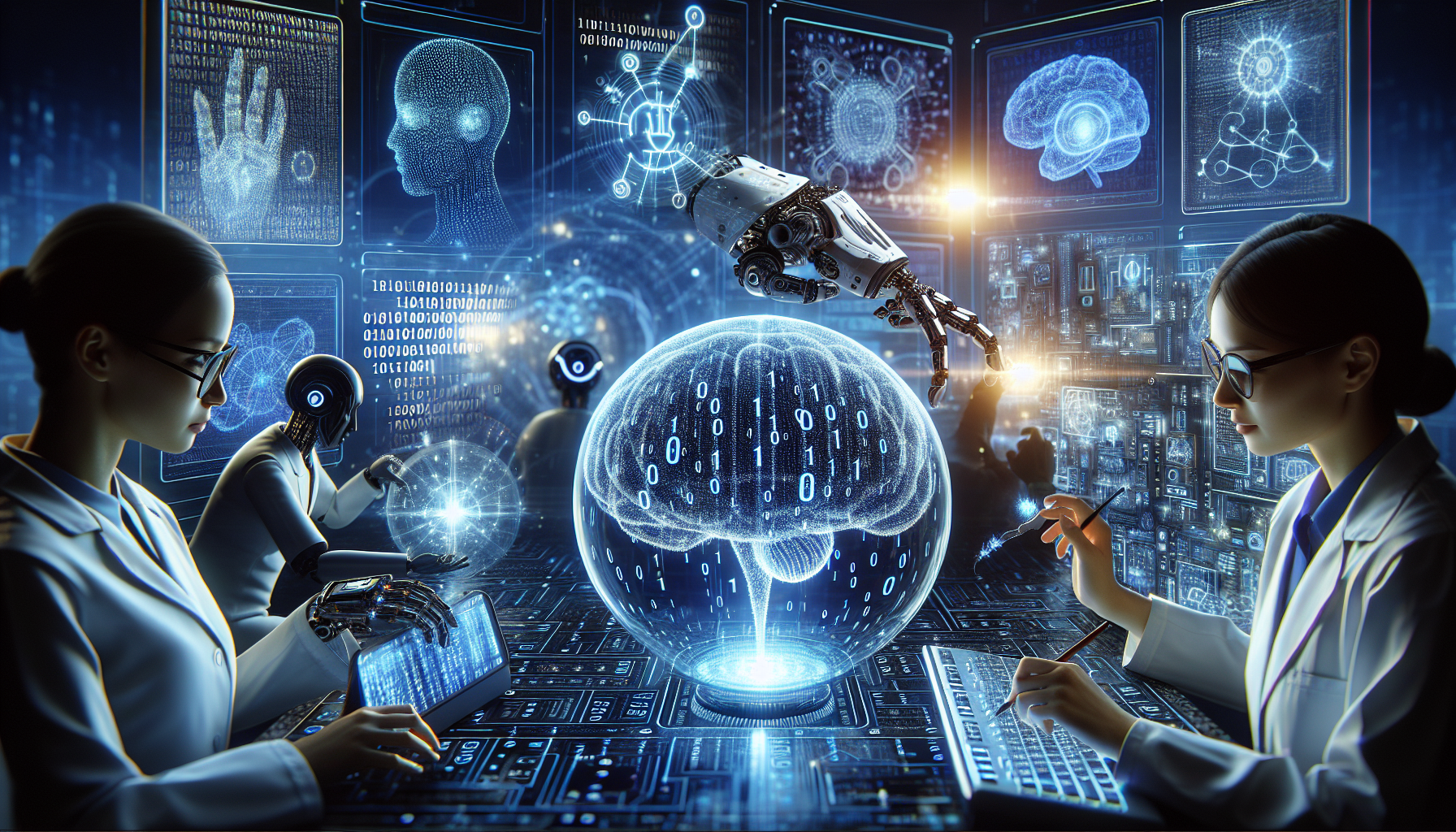
    Resume Screening and Candidate Matching: AI-powered systems can efficiently analyze large volumes of resumes, identifying the most suitable candidates for specific job openings. These systems can assess candidates based on criteria such as skills, experience, and cultural fit, significantly reducing the time and effort required for manual resume screening. As a result, recruiters can focus on engaging with top candidates and making informed hiring decisions.

    Personalized Job Recommendations: AI algorithms can generate tailored job recommendations for candidates by analyzing factors such as their skills, preferences, and career aspirations. This not only improves the candidate experience but also helps organizations attract the right talent by connecting them with relevant job opportunities.

    Streamlined Communication: AI-driven tools can facilitate seamless communication between recruiters, candidates, and employers. For example, AI-powered chatbots can answer candidate queries in real-time, while automated notifications can keep all parties informed about important updates throughout the hiring process. This level of connectivity ensures a smooth and efficient talent acquisition experience for everyone involved.

    Reduced Hiring Time and Costs: By automating various aspects of the talent acquisition process, AI-driven solutions can significantly reduce the time and costs associated with hiring. Faster resume screening, accurate candidate matching, and streamlined communication all contribute to a more efficient and cost-effective recruitment process, allowing organizations to allocate resources more effectively.

    Overall, the integration of AI into the talent acquisition process is revolutionizing the way organizations recruit and hire talent. By embracing AI-driven tools and techniques, businesses can streamline their recruitment strategies, ensuring they have the right personnel in place to drive success in an increasingly competitive landscape.

    Addressing Concerns and Challenges of AI in Staffing

    As AI continues to play an increasingly prominent role in the staffing industry, it is important to address the various concerns and challenges that may arise. By understanding and addressing these issues, organizations can better harness the potential of AI-driven staffing solutions and ensure a more balanced and effective recruitment process.

    One potential concern is the decrease in the value of resumes as AI-driven systems become more prevalent in the recruitment process. While AI can significantly streamline resume screening and candidate matching, it is crucial to remember that these tools should complement, not replace, the expertise of human recruiters. By using AI as an assistive tool, organizations can still benefit from the nuanced understanding and insights provided by human recruiters.

    A related challenge involves balancing the human and AI elements in the staffing process. While AI can automate and optimize many aspects of recruitment and hiring, it is essential for organizations to maintain a human touch in their staffing strategies. This can be achieved by ensuring that human recruiters remain involved in key decision-making processes and by fostering personal connections between candidates and employers.

    Finally, as AI-driven staffing solutions become more widespread, organizations must be vigilant in implementing policies to ensure the ethical use of AI in staffing. This includes addressing potential biases in AI algorithms, as well as ensuring that candidate data is handled securely and responsibly. By establishing clear policies and guidelines, organizations can build trust and confidence in their AI-driven staffing processes while safeguarding the rights and interests of candidates and employees alike.

    The Future of AI and Just in Time Staffing

    As AI continues to advance, the future of just in time staffing is poised for continuous evolution and improvement. Leveraging AI-driven technologies can help organizations streamline their recruitment processes, develop more effective hiring strategies, and allocate resources more efficiently. Some key aspects of the future of AI and just in time staffing include:

    Developing an Improved Overall Hiring Funnel through AI: By harnessing the power of AI, organizations can optimize each stage of the hiring funnel, from candidate sourcing and screening to selection and onboarding. AI-driven tools can help businesses identify the best talent, match them with suitable job opportunities, and create more efficient hiring processes that ultimately drive better results.

    Allocating Budget to the Best Channels for Maximum Exposure: AI-powered analytics can help organizations determine which channels and platforms are most effective for attracting top talent. By allocating budgets to the most impactful channels, businesses can maximize their exposure, reach a wider pool of candidates, and improve their overall return on investment in recruitment efforts.

    Anticipating the Continuous Evolution of AI-Driven Staffing Solutions: As AI technology continues to evolve, so too will the range of AI-driven staffing solutions available to organizations. By staying abreast of the latest advancements in AI and adapting their staffing strategies accordingly, businesses can ensure they are well-equipped to navigate the dynamic landscape of just in time staffing and maintain a competitive edge in the market.

    In conclusion, the future of AI and just in time staffing promises significant advancements in how organizations recruit, hire, and manage their workforce. By embracing the potential of AI-driven staffing solutions, businesses can optimize their recruitment processes, enhance their overall operational efficiency, and ensure they have the right personnel in place to succeed in an ever-changing business environment.

    Embrace AI for Staffing Success

    Throughout this discussion, we have highlighted the significance of AI in streamlining the just in time staffing process. By embracing AI-powered Staffing solutions, businesses can achieve better efficiency and results in their recruitment efforts. Adopting these advanced technologies can lead to optimized staffing strategies, improved candidate sourcing, and a more cost-effective hiring process. Don’t miss out on the benefits of AI-driven Staffing solutions – explore how they can help your business thrive in today’s competitive landscape.

  • New Era Technology for AI Staffing Success

    New Era Technology for AI Staffing Success

    Embracing New Era Technology for AI Staffing Success

    AI Staffing

    The modern workforce demands a dynamic and efficient approach to hiring and recruitment. AI-Powered Staffing provides a streamlined solution, addressing the challenges of talent acquisition. By embracing new era technology, businesses can reap the benefits of improved recruitment processes and secure top talent in a competitive market.

    The Role of AI in Staffing

    Artificial Intelligence plays a crucial role in modern staffing processes. By automating repetitive and time-consuming tasks, AI allows hiring professionals to focus on more strategic aspects of recruitment. Let’s explore some key areas where AI is transforming the recruitment process.

    Resume Screening and Candidate Matching

    One of the most significant benefits of AI in staffing is its ability to screen resumes and match candidates to job openings quickly and efficiently. By using natural language processing and machine learning algorithms, AI can analyze large volumes of resumes, identify relevant skills and experience, and rank candidates based on their suitability for the position. This not only saves time but also ensures that recruiters can focus on engaging with the most qualified candidates.

    Interview Scheduling and Communication

    AI-powered chatbots and virtual assistants have made interview scheduling and communication more seamless and efficient. These tools can handle tasks such as coordinating interview times, sending reminders, and answering candidate questions in real-time. By automating these processes, recruiters can spend more time on building relationships with candidates and making informed hiring decisions.

    Predictive Analytics for Workforce Planning

    AI-driven predictive analytics can help organizations anticipate future staffing needs and make data-driven decisions about talent acquisition. By analyzing historical data and identifying trends, AI can provide insights into factors such as employee turnover, skills gaps, and hiring timelines. This valuable information can help companies to proactively plan their workforce, ensuring they have the right talent in place to achieve their business objectives.

    Integrating AI with Human Expertise

    While AI offers numerous advantages in the recruitment process, it’s essential to recognize the importance of integrating AI with human expertise. Hiring professionals bring a wealth of knowledge, intuition, and interpersonal skills that cannot be replicated by AI alone. By combining the efficiency and accuracy of AI with the judgment and experience of recruiters, businesses can achieve a well-rounded, effective staffing strategy that caters to the ever-evolving needs of the workforce.

    Embracing Innovation for Optimal Results

    To harness the full potential of AI-powered staffing, businesses need to adopt a strategic approach that focuses on innovation and optimization. By identifying areas for automation, selecting the right AI tools and platforms, and realizing cost-efficiency through AI, organizations can effectively transform their staffing processes and gain a competitive advantage.

    Strategic Implementation of AI in Staffing Processes

    Organizations can begin by assessing their current recruitment processes and identifying areas that can be automated and optimized with AI. This may include tasks such as resume screening, interview scheduling, and candidate engagement. Once these areas have been identified, businesses can then explore and select the most suitable AI tools and platforms that align with their staffing objectives and requirements.

    Realizing Cost-Efficiency through AI

    One of the key benefits of AI-powered staffing is the potential for cost-efficiency. By automating repetitive tasks and streamlining the recruitment process, organizations can significantly reduce time-to-hire and hiring costs. Additionally, AI-driven insights and analytics can help enhance productivity and decision-making, further contributing to cost-effective staffing strategies.

    Embracing innovation and strategically implementing AI in staffing processes can lead to optimal results for businesses. By leveraging the power of new era technology, organizations can revolutionize their recruitment efforts, drive cost-efficiency, and secure the talent needed for success in today’s competitive market.

    Navigating Challenges in AI-Driven Recruiting

    While AI-powered staffing presents numerous advantages, organizations may face certain challenges in adopting this new era technology. To ensure a smooth transition, businesses must address skepticism and resistance to AI adoption, and prioritize ethical AI practices in their recruitment processes.

    Overcoming Skepticism and Resistance to AI Adoption

    Misconceptions about AI’s role in staffing can lead to skepticism and resistance among stakeholders. To overcome these hurdles, it’s essential to educate stakeholders on the benefits and capabilities of AI-driven recruitment. By demonstrating the value of AI-powered staffing and showcasing real-world success stories, organizations can build trust in the technology and facilitate its adoption.

    Ensuring Ethical AI Practices

    As AI plays a growing role in recruitment, concerns related to bias and fairness may arise. To ensure ethical AI practices, organizations must address these concerns by implementing transparent AI algorithms and systems. By being proactive in tackling potential bias and promoting fairness in AI-driven recruiting, businesses can uphold their commitment to ethical hiring practices and maintain a positive brand image.

    By navigating the challenges in AI-driven recruiting and embracing new era technology, organizations can optimize their staffing processes, enhance efficiency, and ultimately achieve success in the competitive talent landscape.

    The Future of AI in Staffing

    As new era technology continues to evolve, the role of AI in staffing is set to expand, with trends such as continuous learning algorithms, AI-driven personalization, and emerging technologies shaping the staffing industry. By staying ahead of these trends, businesses can position themselves for long-term success in AI-powered recruitment.

    Continuous Learning Algorithms and Their Impact on Recruitment

    Continuous learning algorithms enable AI systems to adapt and improve over time, based on new data and changing conditions. In the context of staffing, this means AI-powered recruitment tools can become even more accurate and efficient as they process more data and “learn” from their experiences. This continuous improvement can help organizations refine their talent acquisition strategies, ensuring they consistently identify and attract the best candidates for their needs.

    Enhanced Candidate Experience Through AI-Driven Personalization

    AI-driven personalization has the potential to transform the candidate experience by delivering tailored job recommendations, personalized communication, and a more engaging application process. By leveraging AI to understand candidates’ unique skills, interests, and preferences, businesses can create a more relevant and memorable candidate journey that helps to attract and retain top talent.

    New Era Technology Trends Shaping the Staffing Industry

    Emerging technologies, such as virtual reality, blockchain, and the Internet of Things, are likely to have a profound impact on the future of staffing. As these technologies mature, they may offer new ways to streamline the recruitment process, enhance candidate assessment, and improve overall staffing efficiency. By staying informed about these trends and exploring their potential applications in staffing, organizations can ensure they remain at the forefront of AI-powered recruitment and continue to reap the benefits of new era technology.

    Embracing AI Staffing Success: Key Takeaways

    Adopting AI-powered staffing can revolutionize recruitment and talent acquisition efforts. However, to fully capitalize on the benefits of new era technology, it’s essential to keep in mind some key takeaways.

    The Importance of a Strategic Approach to AI Adoption

    Success in AI-driven staffing requires a well-planned strategy that encompasses identifying areas for automation, selecting appropriate AI tools, and aligning them with staffing objectives. By taking a strategic approach to AI adoption, businesses can ensure a seamless integration of AI technology into their recruitment processes, leading to improved efficiency and better hiring outcomes.

    The Need for Continuous Learning and Adaptation to Stay Ahead in the New Era of AI-Powered Staffing

    As AI technology continues to evolve, it’s crucial for organizations to stay ahead of the curve by embracing continuous learning and adaptation. By keeping up-to-date with the latest advancements in AI and adjusting staffing strategies accordingly, businesses can maintain a competitive edge in the ever-changing landscape of talent acquisition.

    In conclusion, by embracing AI staffing success and focusing on strategic planning and continuous learning, organizations can harness the full potential of new era technology to revolutionize their recruitment efforts, drive cost-efficiency, and secure the talent needed for success in today’s competitive market.

    AI-Powered Staffing: A Game-Changer

    AI’s potential to revolutionize the staffing industry is undeniable. By embracing new era technology, businesses can streamline their recruitment processes, improve efficiency, and secure top talent in a competitive market. Explore the benefits of AI-powered staffing for your organization by visiting AI-Powered Staffing and learn how this cutting-edge technology can transform your talent acquisition strategies.

  • Optimizing Recruitment with AI: Future of Simplified Staffing

    Optimizing Recruitment with AI: Future of Simplified Staffing

    Introduction

    ai technology

    Artificial intelligence (AI) has been a game-changer in revolutionizing recruitment processes, significantly enhancing efficiency and accuracy. By implementing AI in staffing, businesses can streamline candidate sourcing, automate job posting, and improve decision-making through data-driven insights. Simplified staffing is crucial in today’s competitive job market, ensuring organizations find the right talent while providing a seamless candidate experience.

    Understanding AI in Recruitment

    Artificial intelligence (AI) has been making significant strides in the recruitment industry, transforming the way organizations source, evaluate, and engage with potential candidates. Understanding the capabilities of AI-powered recruitment tools, the impact of AI on talent acquisition and management, and the growing importance of AI in the recruitment industry is crucial for businesses to stay competitive and streamline their hiring processes.

    AI-powered recruitment tools and their capabilities

    AI-powered recruitment tools leverage advanced algorithms and machine learning techniques to automate various aspects of the recruitment process. These tools can efficiently screen resumes, match candidates with relevant job openings, and even conduct preliminary interviews using AI chatbots. By automating time-consuming tasks and reducing human error, AI-powered tools help recruitment teams save time, resources, and ultimately, make better hiring decisions.

    The impact of AI on talent acquisition and management

    AI has revolutionized the way organizations approach talent acquisition and management by enabling more data-driven decision-making and fostering a more inclusive recruitment process. With the help of AI, hiring teams can quickly identify and engage with candidates who possess the desired skills and qualifications, ensuring a more efficient and targeted hiring process. Moreover, AI-driven tools can help mitigate unconscious bias in candidate selection, promoting a more diverse and inclusive workforce.

    The growing importance of AI in the recruitment industry

    As the job market becomes increasingly competitive, businesses must stay ahead of the curve to attract and retain top talent. AI has emerged as a vital tool in the recruitment industry, enabling organizations to streamline their hiring processes and make better-informed decisions. By embracing AI, businesses can not only improve their overall recruitment efficiency but also gain a competitive edge in the rapidly evolving job market.

    Optimizing Recruitment Processes with AI

    Artificial intelligence (AI) has been instrumental in optimizing recruitment processes by automating various tasks, utilizing big data for efficient hiring decisions, and improving candidate experience. The following subsections delve into the ways AI enhances recruitment, making it more streamlined and efficient.

    Streamlining candidate sourcing using AI

    AI plays a vital role in automating job posting and candidate matching, significantly reducing the time and effort required in sourcing candidates. By leveraging AI algorithms, businesses can improve candidate search accuracy and efficiency. These advanced algorithms scan through resumes and job descriptions to identify the most suitable matches, thus streamlining the candidate sourcing process.

    Utilizing big data for efficient hiring decisions

    AI enables organizations to analyze candidate profiles for better insights and make data-driven hiring decisions. Predictive analytics powered by AI algorithms can identify patterns and trends in candidate data, helping recruitment teams make more informed decisions. This data-driven approach contributes to a more effective and targeted hiring process, ensuring the right talent is selected for the right job.

    Improving candidate experience with AI

    AI-powered chatbots contribute to a seamless communication experience between candidates and organizations. These chatbots can answer common queries, schedule interviews, and provide personalized information to candidates. By enhancing candidate engagement through personalized interactions, AI ensures a positive candidate experience, ultimately attracting and retaining top talent.

    Diversifying Talent Pool and Reducing Bias

    AI-powered recruitment tools play a crucial role in promoting diversity and inclusion in the hiring process. By leveraging AI-driven tools for unbiased candidate screening, encouraging diversity in recruitment, and mitigating unconscious bias through AI algorithms, organizations can foster a more inclusive and unbiased work environment.

    AI-driven tools for unbiased candidate screening

    Artificial intelligence algorithms can screen candidate profiles without the influence of human biases. By doing so, AI-driven tools ensure that candidates are evaluated purely based on their skills, qualifications, and experiences, rather than factors such as gender, race, or age. This objective approach to candidate screening helps organizations build a more diverse and inclusive talent pool.

    Encouraging diversity and inclusion in recruitment

    AI-powered tools can help organizations proactively identify and engage with diverse candidates. By analyzing trends and patterns in candidate data, AI algorithms can recommend strategies to attract a more diverse range of job seekers. This includes optimizing job descriptions to be more inclusive and crafting targeted recruitment campaigns to reach underrepresented groups.

    Mitigating unconscious bias through AI algorithms

    Unconscious biases can significantly impact the recruitment process, leading to a less diverse workforce. AI algorithms can detect and mitigate these biases by analyzing and adjusting the hiring process accordingly. For example, AI can identify biased language in job descriptions and suggest more inclusive alternatives, ensuring that the recruitment process is fair and objective for all candidates.

    Navigating Risks and Challenges of AI in Recruitment

    While AI has the potential to revolutionize recruitment, it’s essential to consider the risks and challenges associated with its implementation. By addressing privacy concerns and discrimination risks, ensuring a personal touch in recruitment processes, overcoming technical limitations and accuracy concerns, and tackling ethical dilemmas and accountability issues, organizations can make the most of AI’s benefits while mitigating potential drawbacks.

    Addressing privacy concerns and discrimination risks

    AI-driven recruitment tools rely on vast amounts of data to function effectively, potentially raising privacy concerns among candidates. Ensuring compliance with data protection regulations and implementing robust security measures is crucial for maintaining candidate trust. Additionally, there’s a risk of AI algorithms unintentionally reinforcing biases present in the data they process. To mitigate this, it’s essential to develop and train AI models on diverse, unbiased datasets and to continually assess their performance for potential discrimination issues.

    Ensuring the personal touch in recruitment processes

    While AI can significantly streamline recruitment, it’s essential not to overlook the importance of the human touch in building relationships with candidates. Ensuring a balance between automation and personal interaction can help maintain a positive candidate experience. Integrating AI tools with traditional recruitment processes, such as interviews and networking events, can help achieve this balance and foster meaningful connections with potential employees.

    Overcoming technical limitations and accuracy concerns

    AI algorithms are not infallible and may still make errors or produce inaccurate results. It’s essential for organizations to recognize these limitations and implement safeguards to ensure data accuracy and the overall effectiveness of AI-driven recruitment. Regularly reviewing and refining AI models, as well as incorporating human input in critical decision-making processes, can help minimize inaccuracies and enhance the reliability of AI tools in recruitment.

    Tackling ethical dilemmas and accountability issues

    As AI becomes increasingly integrated into recruitment processes, organizations must consider the ethical implications and potential accountability issues. Developing clear guidelines for AI usage, maintaining transparency about AI-driven decision-making, and ensuring that human recruiters remain accountable for the overall recruitment process can help address these concerns. By staying vigilant and proactive in addressing the risks and challenges associated with AI in recruitment, businesses can optimize their hiring processes while maintaining trust and fairness.

    Leveraging AI for Simplified Staffing

    Implementing artificial intelligence (AI) in recruitment processes can lead to simplified staffing, providing organizations with efficient and cost-effective solutions to hire top talent. Embracing AI strategically, continuously learning and adapting to the evolving recruitment landscape, and future-proofing career and recruitment strategies are essential for organizations to stay competitive.

    Strategic use of AI for efficient and cost-effective recruitment

    By leveraging AI tools and algorithms, businesses can automate various aspects of the recruitment process, from sourcing candidates to evaluating their fit for a role. This automation not only streamlines the hiring process but also reduces the costs associated with manual recruitment tasks. Implementing AI strategically ensures that organizations can find the right talent quickly and efficiently, ultimately contributing to a more simplified staffing approach.

    The importance of continuous learning and adaptability in the age of AI

    As AI continues to transform the recruitment industry, it is vital for organizations and professionals to stay updated on the latest developments and trends. Continuous learning and adaptability are crucial for businesses to make the most of AI-powered recruitment tools and technologies, ensuring they remain at the forefront of the competitive job market. By fostering a culture of learning and innovation, organizations can maximize the benefits of AI in their recruitment processes.

    Future-proofing your career and recruitment strategies with AI

    Embracing AI in recruitment not only simplifies staffing but also helps future-proof the careers of professionals in the industry. By staying ahead of the curve and integrating AI-driven tools and techniques into recruitment strategies, businesses and professionals can ensure their continued success in a rapidly evolving job market. By investing in AI and adapting to its growing influence in the recruitment sector, organizations can ensure that they are well-prepared for the future of staffing.

    Unlocking Recruitment Potential

    Throughout this article, we’ve explored the undeniable impact of AI on recruitment processes, from streamlining candidate sourcing to promoting diversity and inclusion. Embracing AI is the future of simplified staffing, offering businesses efficient and cost-effective solutions to hire top talent. By staying ahead in the competitive recruitment industry with AI-powered tools, organizations can ensure their continued success in attracting and retaining the right candidates. Learn more about exploring the potential of AI in recruitment and its benefits for your organization with AI-Powered Staffing.

  • 5 benefits of AI-powered staffing

    5 benefits of AI-powered staffing

    Introduction

    HR

    AI-powered staffing is revolutionizing the human resources landscape, transforming the way HR managers navigate their daily tasks. By leveraging artificial intelligence, modern HR management becomes more efficient, data-driven, and strategic. This blog will explore the benefits of AI-powered staffing and its impact on HR managers, providing insights into how this technology can reshape human resource management for the better.

    Benefit 1: Streamlined Recruitment Process

    One of the most significant advantages of AI-powered staffing for HR managers is the potential to streamline the recruitment process. By incorporating AI algorithms, HR managers can quickly identify the best talent from a vast pool of applicants. Artificial intelligence can analyze large volumes of data and detect patterns to match candidates with job openings, making the sourcing process more efficient and effective.

    Another critical aspect of recruitment is the automation of time-consuming tasks. AI-powered staffing can manage repetitive tasks such as resume screening, scheduling interviews, and sending follow-up emails. This automation not only reduces the workload for HR managers but also ensures a consistent and uniform approach to candidate evaluation.

    Enhanced candidate screening and selection are also made possible through AI-powered staffing. Advanced algorithms can analyze various factors, such as work experience, educational background, and skill sets, to determine the most suitable candidates for a position. This comprehensive analysis results in a more accurate and data-driven selection process, ultimately leading to better hiring decisions.

    Lastly, AI-powered staffing contributes to improved time to hire, a critical metric in recruitment. By automating tasks and providing insights to help HR managers make informed decisions quickly, AI can significantly reduce the time it takes to fill job vacancies. Streamlining the recruitment process in this way not only benefits HR managers but also helps organizations attract top talent in a competitive job market.

    Benefit 2: Reduced Bias in HR Decisions

    Another significant advantage of AI-powered staffing is its ability to reduce bias in HR decisions. By leveraging artificial intelligence, HR managers can promote diversity and inclusion within their organizations. This is achieved through AI algorithms that are designed to minimize unconscious biases in hiring and promotions. By focusing on objective, data-driven factors such as skills, experience, and qualifications, AI-powered staffing can help create a more equitable and diverse workforce.

    Unconscious biases often occur when HR managers make decisions based on personal experiences, preferences, or beliefs. These biases can lead to unfair treatment of candidates and employees, resulting in decreased diversity and a lack of equal opportunities. AI-powered staffing addresses this issue by analyzing data objectively, ensuring that HR decisions are based on relevant factors rather than subjective opinions or prejudices.

    Incorporating AI in human resources processes leads to fairer and data-driven decision-making. By using AI algorithms to analyze and process vast amounts of data, HR managers can make informed decisions that are less likely to be influenced by personal biases or preconceived notions. This ultimately results in a more diverse and inclusive workplace where employees are selected and promoted based on their abilities and potential, rather than factors unrelated to their job performance.

    Benefit 3: Improved Employee Onboarding

    Integrating AI-powered staffing into HR management can lead to significant improvements in employee onboarding processes. One of the key aspects of this improvement is the implementation of AI-driven personalized onboarding programs. By analyzing data about new hires, including their skills, experiences, and preferences, AI algorithms can create customized onboarding plans tailored to each employee’s needs. This personalized approach ensures that new hires receive the necessary training and support to excel in their new roles from day one.

    AI-powered staffing also contributes to increased efficiency in onboarding processes. By automating various tasks, such as document verification and policy acknowledgment, AI can help HR managers save time and resources. This streamlined process allows HR managers to focus on more strategic tasks, such as evaluating the success of onboarding initiatives and identifying areas for improvement.

    Ultimately, AI-powered staffing can lead to enhanced employee satisfaction and engagement during the onboarding process. By providing new hires with personalized onboarding experiences and efficiently managing administrative tasks, AI-powered staffing can help new employees feel welcomed, supported, and valued from the start of their journey with the company. This positive onboarding experience can lay the foundation for a strong employee-employer relationship, ultimately leading to higher retention rates and increased overall job satisfaction.

    Benefit 4: Personalized Learning and Development (L&D)

    AI-powered staffing offers HR managers advanced tools and resources to create customized training plans for each employee, based on their unique skills, experiences, and career goals. This tailored approach ensures that employees receive relevant and beneficial training to support their growth and success within the company.

    These AI-powered platforms can analyze employee performance data, identifying strengths and areas that need improvement. By incorporating this data into the training plans, HR managers can ensure that employees receive targeted and effective learning opportunities. This continuous skill development fosters a culture of growth and learning within the organization, encouraging employees to strive for excellence and reach their full potential.

    Ultimately, AI-powered staffing enables HR managers to support employees in their ongoing professional development. By providing personalized learning opportunities, HR managers can ensure that employees remain engaged, motivated, and equipped with the necessary skills to excel in their roles and contribute to the organization’s success.

    Benefit 5: Enhanced Employee Engagement and Satisfaction

    AI-powered staffing can significantly contribute to improved employee engagement and satisfaction. One of the ways it achieves this is through AI-driven employee sentiment analysis. By utilizing natural language processing and machine learning algorithms, AI-powered staffing can analyze employee feedback, comments, and other forms of communication to identify trends, concerns, and areas of improvement. This valuable insight helps HR managers proactively address employee needs and concerns, fostering a more positive and supportive work environment.

    Proactive identification of employee needs and concerns is essential in promoting a healthy and productive workplace. AI-powered staffing allows HR managers to stay ahead of potential issues by continually monitoring employee sentiment and detecting early signs of dissatisfaction or disengagement. With this data, HR managers can implement tailored interventions to address the specific needs of their employees, ensuring that they feel valued, heard, and supported.

    By providing tailored interventions to improve engagement and satisfaction, AI-powered staffing ultimately helps create a more positive and engaged workforce. When employees feel that their needs are being met and their concerns are being addressed, they are more likely to remain committed to their roles and the organization as a whole. This increased engagement and satisfaction not only benefits employees but also contributes to the overall success of the organization.

    The Future of AI in Human Resource Management

    As AI-powered staffing continues to evolve, we can expect to see upcoming trends in both AI technology and human resources. These developments will further shape the role of HR managers, who must adapt to the changing landscape of an AI-driven workforce.

    One trend to watch is the continuous improvement of AI algorithms, allowing for even greater efficiency and accuracy in candidate sourcing, recruitment, and employee management. As technology advances, HR managers will be able to leverage more sophisticated AI tools to streamline their processes and make even more data-driven decisions.

    Another notable trend is the increasing focus on employee experience and well-being. AI-powered staffing solutions will likely incorporate more features that prioritize employee engagement, satisfaction, and mental health, helping HR managers create more supportive and inclusive work environments.

    In conclusion, the future of AI in human resource management looks promising. As AI technology continues to advance, HR managers can expect to face new challenges and opportunities in an increasingly AI-driven landscape. By embracing these changes and leveraging AI-powered staffing solutions, HR managers can drive their organizations towards success and create more engaging, inclusive, and productive workplaces.

    Conclusion

    In summary, AI-powered staffing offers HR managers a wide range of benefits, including a streamlined recruitment process, reduced bias in HR decisions, improved employee onboarding, personalized learning and development, and enhanced employee engagement and satisfaction. These advantages showcase the immense potential of AI technology in transforming human resource management practices for the better.

    As the landscape of HR continues to evolve, embracing AI-powered staffing solutions is essential for HR managers seeking to stay ahead of the curve. By incorporating AI technology into their processes, HR managers can drive their organizations towards success and create more engaging, inclusive, and productive workplaces. The future of human resource management is undeniably intertwined with AI, and the time to adopt AI-powered staffing is now.

    Explore AI-Powered Staffing Today

    As we’ve seen, AI-powered staffing can bring significant benefits to HR managers and their organizations. If you’re interested in harnessing the power of AI for your HR processes, don’t wait! Start exploring AI-powered staffing solutions and stay ahead in the ever-evolving HR landscape. For further reading and learning, you can visit our website at AI-Powered Staffing and check out our blog for more insights into the world of AI and human resource management.